To get the most out of your dehumidifier, place it in a central location away from walls, furniture, and curtains that block airflow. Keep it near high-moisture areas like basements or laundry zones and guarantee there’s enough clearance around it. Avoid direct sunlight or heat sources, and regularly clean filters for peak performance. With proper placement, your unit will work more efficiently—stay tuned to learn even more tips for ideal positioning.
Key Takeaways
- Place the dehumidifier in a central location to promote even air distribution throughout the room.
- Keep at least a few inches of clearance around the unit to ensure proper airflow and prevent obstructions.
- Avoid positioning near walls, furniture, curtains, or heat sources that may block airflow or increase workload.
- Position the dehumidifier close to high-moisture areas like basements or laundry zones for targeted moisture removal.
- Regularly clean filters and check clearances to maintain optimal performance and extend the device’s lifespan.

Proper placement is key to maximizing a dehumidifier’s efficiency and effectiveness. When you position your dehumidifier correctly, you enhance its ability to control moisture levels in the room, which directly impacts your comfort and the longevity of your home. By optimizing placement, you also improve energy savings because the device doesn’t have to work as hard to draw out excess moisture. This means lower electricity bills and less wear and tear on the unit over time.
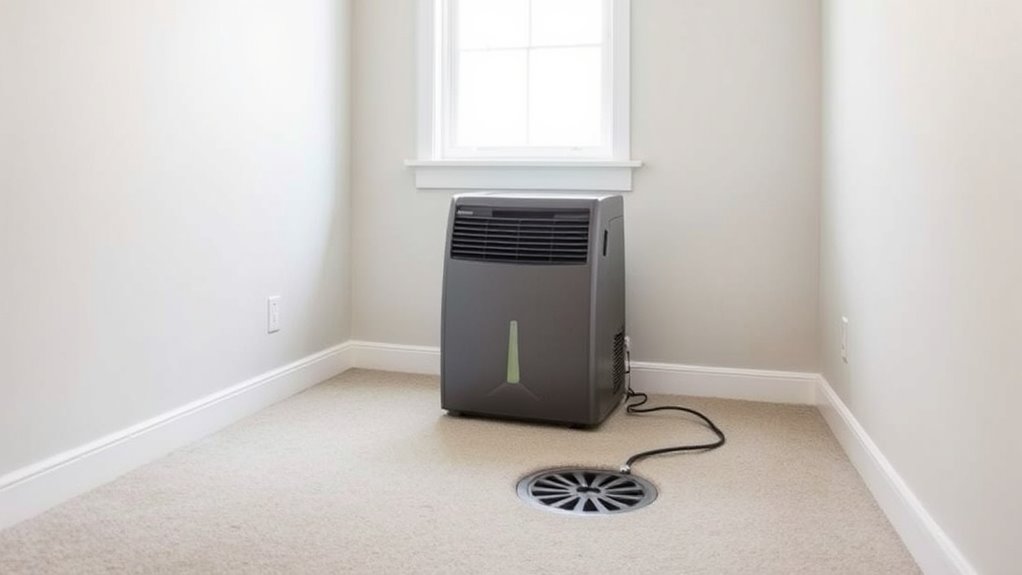
Start by choosing a central location in the space you want to dehumidify. This helps the device evenly distribute dry air throughout the room, preventing damp spots or humid pockets. Avoid placing your dehumidifier near walls, furniture, or curtains that could obstruct airflow. Good airflow is essential; if the unit’s intake or exhaust vents are blocked, it’ll struggle to operate efficiently, leading to increased energy consumption and less effective moisture control. Make sure there’s at least a few inches of clearance around the unit to allow air to circulate freely.
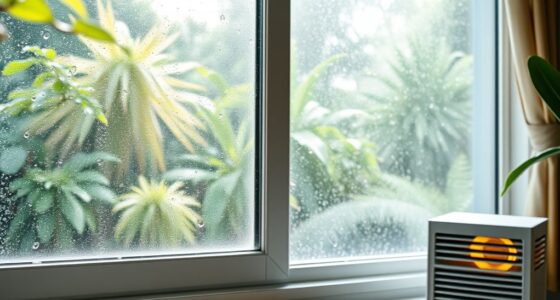
Another vital aspect is to keep the dehumidifier away from sources of heat or direct sunlight. Hot spots can cause the unit to work harder to maintain desired humidity levels, which wastes energy and reduces its lifespan. Similarly, avoid placing it near windows or areas prone to drafts, as these can interfere with the device’s ability to accurately monitor and adjust humidity. If you’re dehumidifying a basement or a larger space, consider the airflow patterns. Position the dehumidifier where air naturally circulates or where the moisture levels tend to be highest, such as near a sump pump or laundry area.
If your space has multiple rooms or zones, think about the best way to maximize moisture control without overloading the unit. Sometimes, it’s better to use multiple smaller units strategically placed around the area rather than a single large one. This approach ensures more consistent humidity levels and reduces the workload on each unit, promoting energy savings. Additionally, keep the dehumidifier’s filters clean and vents unobstructed; this maintenance ensures ideal airflow and reduces energy use, helping your device perform at its best.
Frequently Asked Questions
Can I Place a Dehumidifier Outdoors for Better Results?
You shouldn’t place a dehumidifier outdoors for better results. Outdoor placement isn’t effective because dehumidifiers are designed for indoor environments where humidity levels are controlled. Placing it outside can cause environmental impact issues, like unnecessary energy consumption and noise disturbance. Plus, exposure to weather elements can damage the unit, reducing its lifespan. Keep your dehumidifier indoors where it works efficiently and minimizes environmental impact.
How Close Can a Dehumidifier Be to Walls or Furniture?
Your dehumidifier’s placement is vital—placing it too close to walls or furniture causes airflow obstruction, like a traffic jam for air. Keep it at least 6-12 inches away to guarantee ideal airflow and efficiency. Also, set it on a level surface at an appropriate height—ideally a few inches above the ground—to promote better moisture removal. Proper placement prevents overworking the unit and keeps your space dry and comfortable.
Is It Necessary to Elevate the Dehumidifier off the Ground?
You should elevate your dehumidifier off the ground for better ground clearance and safety considerations. Keeping it slightly raised prevents moisture from the floor and improves airflow, enhancing efficiency. Additionally, elevating reduces the risk of water damage and electrical hazards. Place it on a sturdy platform or stand, ensuring it’s level and stable. This simple step helps your dehumidifier operate safely and effectively, maintaining a healthier indoor environment.
Can Multiple Dehumidifiers Be Used in One Room?
You can use multiple dehumidifiers in one room, especially if the space is large or has high humidity. Think of them working together like a team, each with their own capacity and noise level considerations. Make certain their dehumidifier capacities complement each other to avoid over- or under-drying areas. Position them strategically to maximize efficiency without creating excessive noise, and monitor humidity levels to achieve ideal comfort.
Should a Dehumidifier Be Placed Near Sources of Moisture?
Yes, you should place your dehumidifier near moisture sources for ideal moisture removal. Placement considerations include positioning the unit away from walls and obstructions, but close enough to target areas like bathrooms or basements where moisture is highest. This ensures the dehumidifier efficiently captures excess humidity, helping you maintain a comfortable, mold-free environment. Keep it on a level surface for best results and avoid placing it near sources of heat or direct sunlight.
Conclusion
By placing your dehumidifier in the right spot, you’ll maximize its efficiency and keep your space comfortable. For example, imagine placing it near a damp basement corner; you’ll notice faster moisture removal and a fresher feel. Remember to keep it away from walls and vents for ideal airflow. With these simple tips, you’ll enjoy a drier, healthier home in no time. Just a little strategic placement makes all the difference!