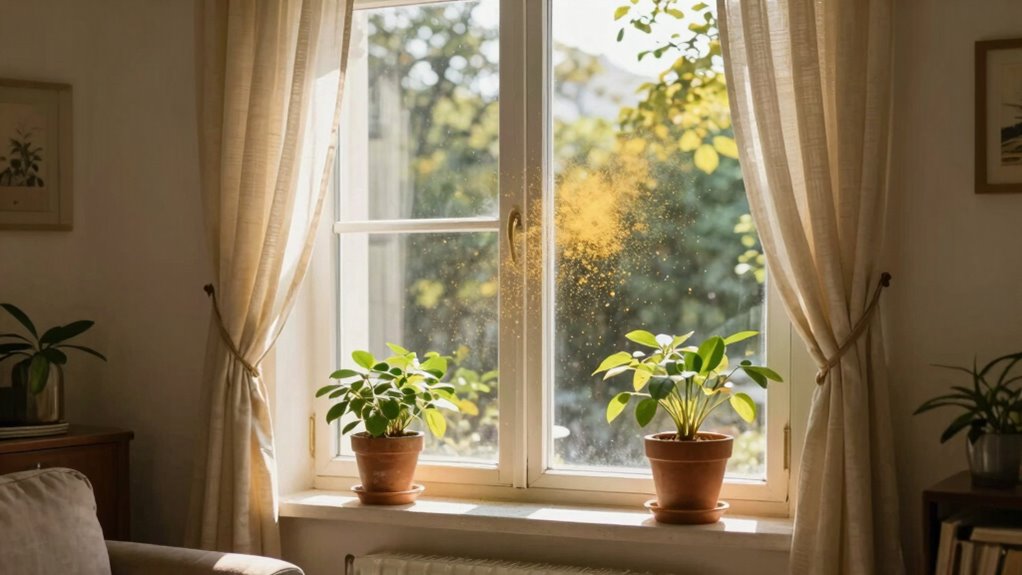
When the weather is nice, opening windows helps freshen the air but also allows pollen to enter easily. You might find it harder to control indoor pollen levels because outdoor allergens slip through screens and gaps, especially during high pollen seasons. Monitoring outdoor conditions and timing window openings carefully can help, along with using air purifiers and cleaning regularly. Keep exploring ways to balance fresh air and allergy management to stay comfortable indoors.

Get home appliances delivered free with Prime
- Fast, free delivery on millions of items
- Prime Video, Amazon Music and more included
- Member-only deals all year
Key Takeaways
- Opening windows during nice weather increases outdoor pollen entry, making indoor pollen levels harder to control.
- Prolonged ventilation without filtration allows pollen accumulation inside, aggravating allergy symptoms.
- Real-time pollen data and weather conditions are essential to time window opening effectively.
- Using air purifiers and HEPA filters can mitigate pollen intrusion when windows are open.
- Combining window ventilation with cleaning routines and medication helps manage indoor pollen during pleasant days.
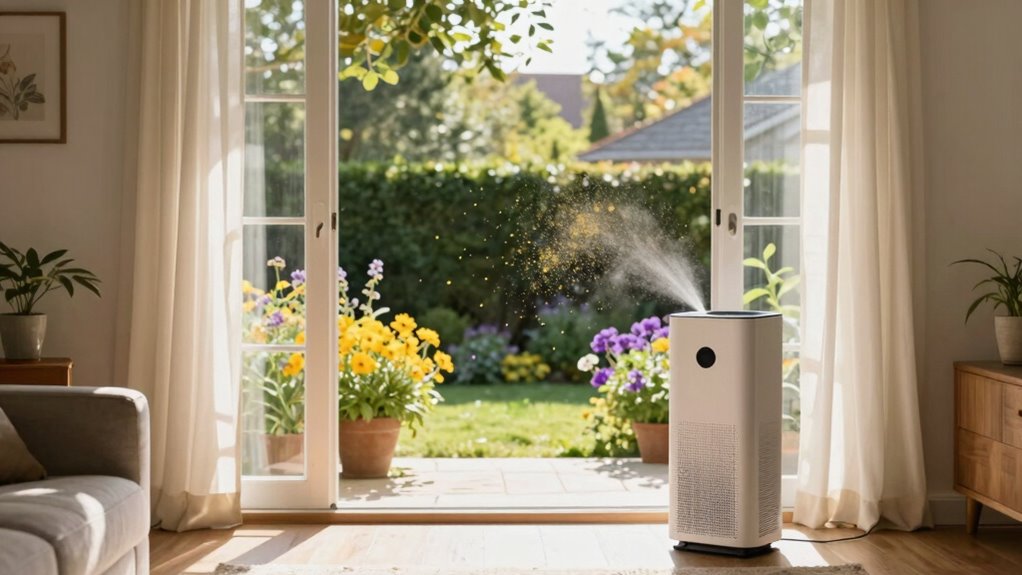
When the weather warms up and you open your windows, pollen can easily find its way inside, triggering allergies and respiratory issues. You might enjoy the fresh air and sunshine, but your indoor air quality can quickly decline as pollen enters your home. This influx can make allergy symptoms worse, leaving you sneezing, itchy-eyed, and congested. To keep this in check, it’s important to understand how open windows influence indoor air quality and what steps you can take to minimize pollen’s impact.
Opening windows is a natural way to ventilate your space and reduce indoor pollutants. However, during high pollen seasons, it can also be an open invitation for outdoor allergens to invade your home. Pollen particles are tiny, so they easily slip through screens or gaps around windows, settling on surfaces and floating in the air. Once inside, these particles can aggravate allergy symptoms and respiratory issues. If you rely on allergy medication, you might find that its effectiveness diminishes when pollen levels are high indoors. That’s because, even with medication, continuous exposure to allergens can keep symptoms persistent.
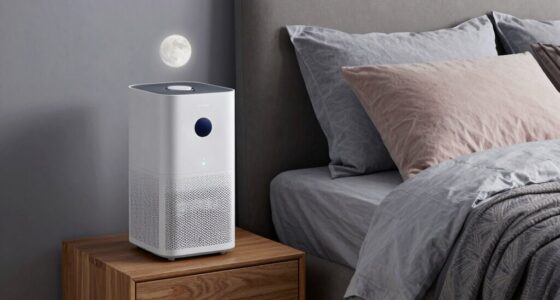
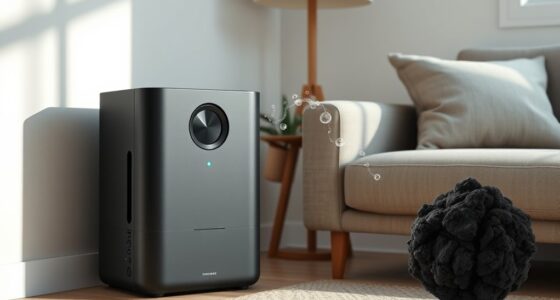
To improve indoor air quality while enjoying the outdoors, you might consider using high-efficiency particulate air (HEPA) filters or air purifiers. These devices trap pollen and other airborne allergens, reducing their concentration indoors. Keeping windows closed during peak pollen times—typically early morning and late afternoon—can also help. When you do open windows, do so briefly and during times when pollen counts are lower, usually after a rainstorm or when wind speeds decrease. This way, you can enjoy fresh air without letting in excessive pollen.
Regular cleaning is another key step. Dust and vacuum frequently using HEPA filters to remove pollen that settles on surfaces. Showering and changing clothes after spending time outdoors prevent pollen from spreading throughout your home. It’s also wise to keep windows screened so that some of the larger pollen particles are filtered out before they enter your indoor environment. Additionally, understanding pollen levels and outdoor conditions can help you better plan your ventilation strategies. Being aware of outdoor conditions such as wind and rain can significantly influence how much pollen is likely to enter your space. Implementing pollen counting devices or apps can provide real-time data to optimize your window opening times. Educating yourself about pollen forecasts can further help you anticipate high pollen days and adjust your routines accordingly.
Ultimately, balancing fresh air intake with pollen control requires awareness of outdoor conditions and a proactive approach. While allergy medication can help manage symptoms, it’s best used alongside measures like air filtration, strategic window opening, and cleanliness routines. This combined effort helps maintain better indoor air quality, making your home a refuge from pollen’s persistent march indoors. By staying diligent, you can enjoy the nicer weather without suffering the consequences of increased pollen exposure.
Products Worth Considering

Levoit Vital 100S-P Air Purifier with Washable Pre-Filter

LEVOIT Vital 200S-P Smart Air Purifier for Large Rooms

Roborock H60 Ultra-B Cordless Stick Vacuum Cleaner
As an affiliate, we earn on qualifying purchases.
Frequently Asked Questions
How Do Pollen Levels Vary Throughout the Day?
Pollen levels typically peak in the early morning and late afternoon, so you’re more likely to experience allergy symptoms during these times. During pollen season, it’s best to keep windows closed and avoid outdoor activities when levels are high. As the day progresses, pollen count usually drops, but it can vary with weather conditions. Staying aware of daily pollen forecasts helps you manage allergy symptoms effectively.
Are There Specific Times When Pollen Counts Are Highest?
You’ll notice pollen counts are highest early in the morning, around dawn, when pollen release peaks due to weather conditions. For example, during peak pollen seasonality, allergy triggers like tree or grass pollen are most active then. If you keep windows open during this time, your exposure increases. To reduce allergy symptoms, consider staying indoors or using air filters during these peak hours, especially if you’re sensitive to specific pollen types.
Can Indoor Plants Worsen Pollen Allergies?
Indoor plants can worsen pollen allergies if you’re sensitive to indoor plant allergies or pollen producing plants. Some plants, like certain ferns or flowering varieties, release pollen that triggers allergy symptoms. If you notice your allergies worsen with indoor plants, consider choosing low-pollen or non-flowering options. Regularly cleaning and ensuring good ventilation also helps reduce pollen buildup, making your indoor environment more comfortable for allergy sufferers.
Do Air Purifiers Effectively Reduce Pollen Indoors?
Yes, air purifiers can effectively reduce pollen indoors if you choose one with high pollen filtration and good air purifier efficiency. They act like a barrier, capturing pollen particles before you breathe them in. However, not all models work equally well, so pick a HEPA filter-equipped unit designed for pollen removal. Keep windows closed during high pollen seasons, and run your air purifier consistently for the best results.
What Outdoor Activities Increase Pollen Exposure?
Outdoor activities like gardening, mowing the lawn, or hiking during pollen season can markedly increase your exposure to allergy triggers. When you spend time in grassy fields, wooded areas, or flower-rich parks, you come into contact with airborne pollen, elevating your allergy symptoms. To minimize exposure, consider wearing a mask, staying indoors during peak pollen hours, and showering after outdoor activities. Being mindful helps you better manage allergy triggers during pollen season.
Conclusion
As you leave your windows open on a sunny day, imagine inviting tiny pollen soldiers into your home, ready to settle in. Just like trying to keep a beach towel dry during a sudden wave, controlling pollen when the breeze flows freely is a constant battle. Remember, even minor adjustments—like using air purifiers or keeping windows closed during peak pollen times—can make a big difference. With a little effort, you can still enjoy the fresh air without letting pollen take over.