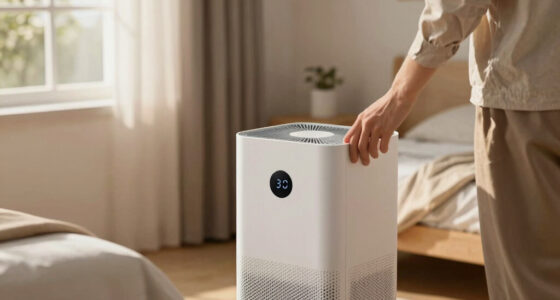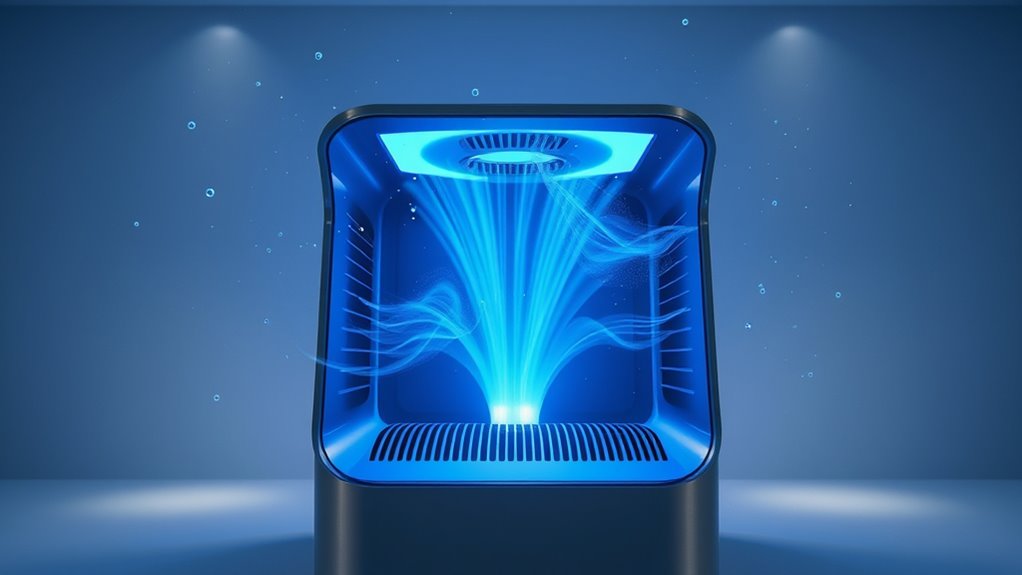

PlasmaWave and other emerging air purifier technologies are transforming indoor air quality by effectively neutralizing bacteria, viruses, and pollutants without relying solely on filters. PlasmaWave creates a complex plasma field to attack microorganisms at the cellular level, providing continuous, real-time cleaning. New advances also include photocatalytic oxidation, UV-enhanced systems, and electrostatic precipitators, which target a broader range of contaminants. If you want to discover more about how these innovations work together to improve air safety, keep exploring further.
Prime for Young Adults — start your free trial
Fast free delivery, streaming and member deals for eligible 18–24 year olds.
As an affiliate, we earn on qualifying purchases.
Key Takeaways
- PlasmaWave technology creates plasma fields that neutralize airborne pathogens without harmful residues.
- Emerging air purifiers combine plasma with UV, photocatalytic, and electrostatic methods for comprehensive air cleaning.
- Concerns about ozone emissions are addressed by designing systems to limit ozone production safely.
- Future innovations focus on enhancing effectiveness, safety, energy efficiency, and customizable indoor air solutions.
- These advanced technologies offer alternatives to traditional filters, improving indoor air quality in homes, offices, and public spaces.
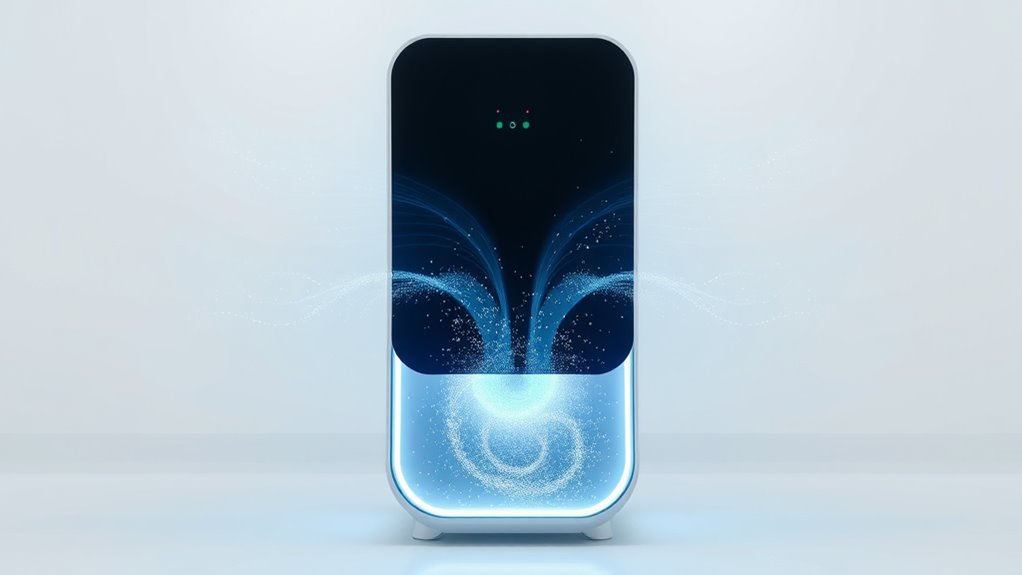
As air pollution concerns grow worldwide, innovative air purifier technologies are emerging to provide cleaner, healthier indoor environments. One notable advancement is the development of plasma-based air purification systems, such as PlasmaWave technology. These systems work by creating a complex plasma field that actively neutralizes airborne pathogens, including bacteria, viruses, and mold spores. Unlike traditional filters that trap particles, PlasmaWave generates ions and reactive molecules that attack the cellular structure of harmful microorganisms, effectively destroying them without producing harmful residues. This approach allows for continuous, real-time air cleaning, which is especially valuable in spaces where airborne pathogens can spread rapidly. You’ll find that PlasmaWave systems can considerably improve indoor air quality by reducing the presence of these microscopic threats, providing peace of mind in homes, offices, and public spaces.
However, as with many innovative technologies, plasma-based systems come with considerations. One concern often discussed is ozone generation. In some plasma air purifiers, the process of ionizing particles can produce small amounts of ozone, a molecule that, in high concentrations, can irritate your respiratory system and worsen asthma symptoms. Manufacturers are aware of this issue and are designing systems that limit ozone output to safe levels compliant with health standards. Still, it’s important to choose reputable models with proven safety profiles, especially if you or your family members have respiratory sensitivities. Understanding whether a plasma purifier emits ozone and how much it produces helps you make an informed decision, ensuring you get the benefits of advanced air cleaning without unintended health risks.
Beyond PlasmaWave, other emerging technologies are pushing the boundaries of air purification. Some systems combine photocatalytic oxidation with UV light to break down airborne pollutants and pathogens further. Others incorporate electrostatic precipitators to attract and trap particles more efficiently. These innovations often work in tandem, targeting a broad spectrum of indoor air contaminants—including volatile organic compounds (VOCs), allergens, and airborne pathogens—while maintaining safety and energy efficiency. Additionally, advancements in air purifier design are making these technologies more accessible and adaptable to various indoor environments. You’ll appreciate how these cutting-edge solutions are designed to adapt to different indoor environments, providing customizable, effective air purification that surpasses traditional filters.
As an affiliate, we earn on qualifying purchases.
Frequently Asked Questions
How Energy-Efficient Are Plasmawave Air Purifiers Compared to Traditional Models?
PlasmaWave air purifiers are generally more energy-efficient than traditional models, thanks to their advanced technology that minimizes energy consumption. You’ll find they cost less to operate over time, boosting overall cost efficiency. By using less power while effectively cleaning the air, PlasmaWave systems help you save on electricity bills without sacrificing performance. This makes them a smart, eco-friendly choice for maintaining indoor air quality.
What Safety Concerns Are Associated With Plasmawave Technology?
You might worry about safety concerns with PlasmaWave technology, but evidence shows it’s generally safe when used properly. It produces minimal ozone emission, well below health standards, so it doesn’t pose significant respiratory risks. However, electrical safety is vital; ensure your device is certified and maintained correctly to prevent electrical hazards. Always follow manufacturer guidelines to maximize safety and enjoy cleaner air without worries.
Do These Emerging Technologies Effectively Remove All Airborne Pathogens?
These emerging technologies can substantially improve pathogen elimination, but they don’t remove all airborne viruses completely. You’ll find they’re effective at reducing many airborne pathogens, including some viruses, but they might not catch every microscopic particle. To maximize protection, combine these air purifiers with good ventilation and regular cleaning. While they’re a valuable tool, relying solely on them isn’t enough to entirely eliminate all airborne viruses in your space.
How Long Do Plasma-Based Air Purifiers Typically Last Before Maintenance?
Ever wonder how often you need to service your plasma-based air purifier? Typically, these units have a lifetime expectancy of around 3 to 5 years, but this depends on usage and maintenance intervals. Regularly cleaning or replacing filters and inspecting the system helps guarantee peak performance. Don’t forget, timely maintenance not only extends the device’s lifespan but also keeps your air clean and healthy.
Are There Any Regulatory Standards Specific to Plasmawave and Similar Devices?
You should know that plasma-based air purifiers like PlasmaWave are subject to regulatory oversight, but specific certification standards can vary by region. While agencies like the EPA and UL evaluate safety and effectiveness, there aren’t universal standards exclusively for plasma technology. It’s wise to check for certifications from reputable organizations to guarantee the device meets safety and performance criteria, helping you make an informed decision about its use.
As an affiliate, we earn on qualifying purchases.
Conclusion
As you explore these emerging air purifier technologies, remember they’re like new stars lighting up the sky, promising cleaner, healthier air. Plasmawave and others are pushing boundaries, offering more effective solutions against pollutants and viruses. By staying informed and choosing innovative options, you’re taking active steps to improve your environment. These advancements are like a gust of fresh air in your home, transforming your space into a safer, more comfortable sanctuary.
electrostatic precipitator air purifier
As an affiliate, we earn on qualifying purchases.
As an affiliate, we earn on qualifying purchases.
air purifier with ozone safety features
As an affiliate, we earn on qualifying purchases.
As an affiliate, we earn on qualifying purchases.
NFL season / tailgating Picks
team gear
As an affiliate, we earn on qualifying purchases.