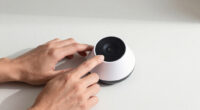
On days when outdoor air quality is good, opening windows can refresh your indoor space, but you’ll need to adjust your purifier routine accordingly. Keep an eye on outdoor conditions before ventilating—avoid opening windows during high pollen or pollution alerts. Use air quality monitors to decide when to increase or decrease purifier settings, like turning on HEPA filters more actively. Managing ventilation this way helps maintain healthy air while making the most of good outdoor conditions. Keep exploring to learn more tips.

Get home appliances delivered free with Prime
- Fast, free delivery on millions of items
- Prime Video, Amazon Music and more included
- Member-only deals all year
Key Takeaways
- Adjust purifier settings based on outdoor air quality before opening windows.
- Increase purifier operation during high pollen or pollution days to maintain indoor air quality.
- Use real-time air quality monitoring to inform when to open windows and run purifiers simultaneously.
- Keep purifiers active in the background even when ventilating to filter incoming outdoor pollutants.
- Limit window opening during peak outdoor allergen times to reduce indoor pollen and dust entry.

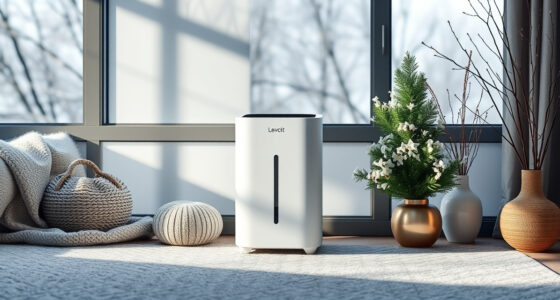
As spring arrives and you open your windows to let fresh air in, it’s time to rethink your air purifier routine. The change in season brings more outdoor air into your home, which affects how your air purifier functions and how you should manage indoor air quality. While outdoor breezes can refresh your space, they also introduce pollen, dust, and pollutants that your purifier needs to handle differently. To keep your indoor environment healthy, you’ll want to adjust your approach, especially during days when you’re actively opening windows.
Indoor plant maintenance plays an essential role in maintaining good air quality during spring. Many houseplants naturally filter airborne toxins and boost humidity, but they also require attention. When windows are open, plants can absorb outdoor pollutants, so you need to monitor their health closely. Regularly check for signs of pests or overwatering, and ensure they’re placed in spots where they can benefit from natural light without being overwhelmed by pollen or dust. Proper indoor plant maintenance helps your home stay fresh and reduces reliance solely on air purifiers, but it also means you should be more vigilant about air quality monitoring and adjusting your care accordingly. Additionally, understanding indoor air quality can help you better protect your household from seasonal allergens. Recognizing how outdoor air impacts indoor environments is key to creating a balanced approach.
Indoor plants enhance air quality but need careful monitoring during spring ventilation.
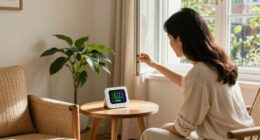
Air quality monitoring becomes even more vital on open-window days. Use a reliable air quality monitor inside your home to track pollutants like pollen, dust, and volatile organic compounds (VOCs). These devices give you real-time data, letting you see how outdoor airflow impacts indoor air quality. When readings spike, you might need to temporarily increase your purifier’s fan speed, or activate features like HEPA filters designed to trap pollen and fine particles. Conversely, if outdoor air improves overall conditions, you can scale back your purifier usage, saving energy and prolonging filter life. Regular monitoring helps you balance fresh air with clean indoor air, preventing allergens and pollutants from accumulating. Additionally, understanding outdoor air quality can help you make more informed decisions about when to ventilate your home.
During spring, your routine should include checking outdoor conditions before opening windows. On days with high pollen counts or pollution alerts, keep windows closed and rely more on your air purifier. When air quality outdoors is good, open windows to ventilate and refresh your home, but still keep your purifier active in the background for added protection. Adjusting your purifier routine based on outdoor air quality ensures you maximize benefits without letting in harmful particles. Remember, a combination of indoor plant maintenance, air quality monitoring, and smart ventilation habits will keep your home’s air clean and healthy throughout the season. Being aware of seasonal air quality trends can further enhance your approach to maintaining a safe indoor environment.
Products Worth Considering

Blueair Blue Pure 511i Max Air Purifier for Home and Bedroom

Blueair Blue Pure 211i Max Smart Air Purifier for Large Rooms

Dyson Purifier Hot+Cool HP1
As an affiliate, we earn on qualifying purchases.
Frequently Asked Questions
How Often Should I Change My Air Purifier Filters in Spring?
You should change your air purifier filters every 1 to 3 months in spring, especially during open-window days when outdoor allergens can enter. Regular filter maintenance keeps your purifier running efficiently. Make sure to place your purifier in a central spot for ideal airflow and avoid blocking vents. By maintaining filters and proper placement, you’ll improve indoor air quality and enjoy fresher, cleaner air throughout the season.
Can Open Windows Replace Air Purifiers During Spring?
Open windows are like a refreshing change, but they can’t always replace air purifiers during spring. Natural ventilation helps reduce indoor pollutants, but seasonal allergies can still sneak in through open windows. Relying solely on fresh air may not filter out pollen or dust effectively. To protect your health, combine open windows with your air purifier, especially during peak allergy season, for ideal indoor air quality.
What Types of Purifiers Are Best for Spring Allergy Season?
During spring allergy season, HEPA air purifiers are your best bet, as they effectively trap pollen and other allergens. Regular air purifier maintenance is essential to keep it working efficiently. Incorporate spring allergy remedies like keeping windows closed during peak pollen times and using filters with activated carbon for odors. Using a high-quality purifier helps reduce allergens indoors, giving you relief without relying solely on natural ventilation.
Should I Run My Purifier Continuously or Intermittently in Spring?
You should run your purifier intermittently in spring, especially when outdoor air quality improves. As the saying goes, “A little caution goes a long way.” During high pollen days or open-window periods, turn it on to keep indoor air clean. Remember, regular purifier maintenance is key to effectiveness. Turning it off when outdoor air is good saves energy, while running it during peak pollen times ensures the best indoor air quality.
How Do Outdoor Pollen Levels Affect Indoor Air Purifier Use?
Outdoor pollen levels directly impact your indoor air purifier use. When pollen counts are high, you should increase pollen filtration by running your purifier more frequently or continuously, especially during open-window days. Keep an eye on outdoor air quality reports, and adjust your routine accordingly. This helps reduce pollen infiltration indoors, maintaining cleaner air and easing allergy symptoms. During low pollen days, you can scale back to conserve energy without sacrificing air quality.
Conclusion
Just like spring’s gentle breeze refreshes the earth, your purifier routine should adapt with the season. Embrace the new rhythm, opening windows and letting fresh air dance in, while ensuring your purifier supports your health. Think of it as tuning your environment like a finely crafted instrument—each adjustment harmonizing with the season’s symphony. When you change your habits, you create a healthier, more vibrant space—your own springtime renewal.