Air purifiers with HEPA filters can effectively trap airborne mold spores and reduce musty smells, but they can’t eliminate mold growing on surfaces or hidden inside walls. While activated carbon filters help neutralize odors, persistent or embedded odors and hidden mold require moisture control and targeted cleaning. Keep in mind, purifiers alone aren’t enough—addressing moisture, leaky pipes, and proper ventilation is key. If you want to learn how to get those mold problems under control, continue on.
Key Takeaways
- HEPA filters in purifiers can trap airborne mold spores but do not eliminate mold on surfaces or walls.
- Activated charcoal filters help reduce musty odors but cannot fully remove odors embedded in fabrics or materials.
- Purifiers cannot address hidden or embedded mold growth; moisture control and targeted cleaning are essential.
- Proper ventilation and humidity management are necessary alongside purifiers to prevent mold and odor recurrence.
- Persistent mold or odors despite purifier use may require professional remediation beyond air filtration.

Clorox Medium Room Air Purifiers for Bedroom Home, True HEPA Filter
- High-Efficiency Filtration: Captures 99.97% allergens and 99.9% viruses
- 3-Stage 360° Air Purification: Filters allergens, particles, odors, and VOCs
- Suitable for Medium Rooms: Cleans 225 sq. ft. 5x/hour, larger spaces
As an affiliate, we earn on qualifying purchases.
As an affiliate, we earn on qualifying purchases.
How Do Mold Spores Impact Your Indoor Air Quality?

Mold spores can considerably degrade your indoor air quality because they become airborne easily and spread throughout your home. When inhaled, these spores can negatively affect your mold spore health, especially if you have allergies or respiratory conditions. As spores circulate in the air, they increase the presence of mold particles indoors, making it harder to breathe comfortably. Poor indoor air quality caused by mold spores can lead to symptoms like coughing, sneezing, and throat irritation. Over time, exposure may even weaken your immune system or worsen existing health issues. Removing mold spores from your environment is essential to maintaining healthy indoor air quality. Vigilant cleaning, moisture control, and proper ventilation are key steps to reduce mold spores and protect your health. Additionally, airborne mold particles can settle into dust and other surfaces, making thorough cleaning and air purification even more important. Ensuring good ventilation and controlling humidity levels are crucial in reducing the presence of these spores indoors. Implementing moisture management strategies can further limit mold growth and spore circulation.

Activated Charcoal Odor Absorber for Strong Odors in Car, Closet, Shoe, Basement. 10 Activated Charcoal Bags Odor Absorbers for Home. Bamboo Charcoals Air Purifying Bag Charcoals Deodorizer Eliminator
- Includes 10 Activated Charcoal Bags: Effective odor absorption for various spaces
- Hanging Design with Hooks: Easy to place in closets, cars, and more
- Natural Non-Toxic Formula: Safe for home and family use
As an affiliate, we earn on qualifying purchases.
As an affiliate, we earn on qualifying purchases.
What Are the Limits of Air Purifiers for Mold and Odor Removal?

Air purifiers can help reduce mold spores and odors, but they aren’t a complete solution. Their effectiveness depends on the device’s power and the severity of the problem. Sometimes, persistent mold and smells require additional cleaning or ventilation efforts. Additionally, proper gear care tips can prevent mold growth and odor buildup on cycling equipment and clothing. Regularly cleaning and drying gear thoroughly is essential to prevent mold development and maintain a fresh environment. Understanding the limitations of air purifiers can help set realistic expectations and guide effective remediation strategies. Recognizing that the capacity of air purifiers varies based on watt-hours and room size can also influence their effectiveness in different spaces.
Effectiveness Limits of Purifiers
While air purifiers can be effective at reducing mold spores and musty odors, they do have limitations. One key air purifier limitation is that they primarily filter airborne particles and can’t eliminate mold growing on surfaces or inside walls. This means mold spore containment is only partial; spores may continue to spread if mold isn’t addressed at its source. Additionally, not all purifiers are equipped with HEPA filters or activated carbon filters, which are vital for trapping spores and absorbing odors. Even with the right filters, purifiers can’t replace thorough cleaning or repair of water leaks that foster mold growth. Surface contamination often requires direct intervention beyond what purifiers can provide. It’s also important to recognize that air circulation alone cannot remove mold from hidden or non-ventilated areas. Proper mold remediation involves identifying and removing the source of moisture to prevent ongoing growth. Recognizing the importance of comprehensive moisture control is essential for effective mold prevention. Enhancing air quality monitoring can help detect mold presence early and prevent escalation. Ultimately, air purifiers are a useful supplement but shouldn’t be relied on solely for complete mold or odor removal, especially in heavily affected areas.
Persistent Mold and Odors
Even though air purifiers can help reduce airborne mold spores and odors, they often fall short when mold has become persistent or deeply embedded. Air purifier limitations mean they can’t eliminate mold growing on surfaces or behind walls. When odors linger despite filtration, it’s usually because the source isn’t airborne but embedded in materials. To tackle this, combine air purification with mold prevention techniques like controlling humidity and fixing leaks. Additionally, incorporating proper mold remediation strategies is essential for effective treatment. Recognizing the limitations of air purifiers can help set realistic expectations for mold and odor control. It’s important to understand that mold growth can occur in hidden or hard-to-reach areas, requiring more targeted inspection. Here’s a quick overview:
| Air Purifier Limitations | Mold Prevention Techniques |
|---|---|
| Can’t remove surface mold | Keep humidity below 50% |
| Ineffective on hidden mold | Fix leaks promptly |
| Limited in deep cleaning | Regular cleaning and ventilation |
Addressing persistent mold requires more than just an air purifier—it demands targeted prevention and remediation. Additionally, using fabric decorating markers on surfaces can sometimes help identify or mark problem areas during inspection and remediation efforts.
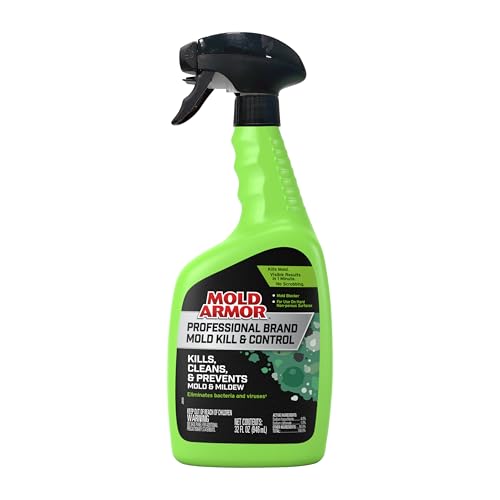
MOLD ARMOR Professional Brand Mold Kill & Control Spray, 32 oz., Hard Surface Mold and Mildew Remover, Visible Results in Minutes, Eliminates Bacteria and Viruses
- Kills and Prevents Mold: Eliminates mold and mildew on surfaces
- Fast-Acting Formula: Visible results in minutes without scrubbing
- Versatile Surface Compatibility: Suitable for laminate, linoleum, stainless steel, and plastic
As an affiliate, we earn on qualifying purchases.
As an affiliate, we earn on qualifying purchases.
Which Air Purifiers Are Best for Mold Spores and Musty Smells?

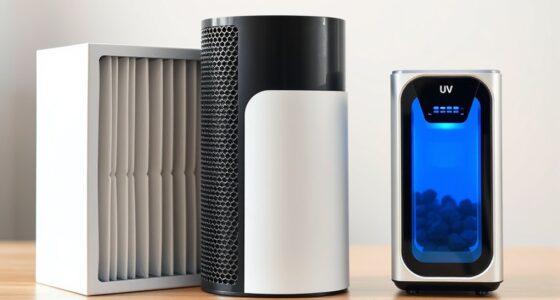
To effectively combat mold spores and musty odors, choosing the right air purifier is essential. Look for models that feature HEPA filters, as they are proven to trap airborne mold spores and other allergens. Think about air purifier types like activated carbon filters, which help neutralize odors, and UV-C light purifiers, which can kill mold spores at the source. When selecting for mold prevention, prioritize units with multi-stage filtration to maximize effectiveness. Here are key features to consider:
Choosing air purifiers with HEPA, carbon, UV-C, and multi-stage filtration effectively combats mold spores and odors.
- HEPA filtration for mold spores
- Activated carbon filters for odors
- UV-C sterilization for mold spores
- Multi-stage filtration for thorough mold prevention

DREO 3L Humidifiers for Bedroom, 30H Runtime, 26 dB Quiet, New Edition
- Large Capacity Tank: 3L tank for 30 hours of humidification
- Wide Coverage Area: Covers up to 300 sq ft with 360° nozzle
- Quiet Operation: Operates at 26dB for peaceful sleep
As an affiliate, we earn on qualifying purchases.
As an affiliate, we earn on qualifying purchases.
Can My Air Purifier Fully Eliminate Musty Odors?

Your air purifier can markedly reduce musty odors, but it may not completely eliminate them on its own. Air purifier limitations mean that odors can linger if they’re deeply embedded in fabrics or building materials. While HEPA filters capture mold spores and particles, they don’t directly remove odors. To effectively target musty smells, you’ll need to combine your purifier with additional odor removal techniques, such as using activated charcoal or baking soda. Ventilation also helps dilute odors, and cleaning surfaces with odor-neutralizing solutions can prevent odors from rebounding. Additionally, understanding mold spore behavior can help you better address the root causes of persistent odors. Recognizing the importance of contingency plans in managing unexpected issues can ensure you’re prepared for situations where odors persist despite your efforts. Utilizing appropriate air purifier features, such as activated carbon filters, can further enhance odor removal. Keep in mind that no single device can fully eradicate persistent musty smells without these complementary methods. Combining odor removal techniques with your air purifier offers the best chance for a fresher, odor-free environment. Moreover, choosing the right air purifier features can enhance your chances of successfully reducing odors.
How Do HEPA Filters Help Capture Mold Spores?

HEPA filters are highly effective at capturing mold spores from the air because of their dense fiber construction. These filters trap particles as small as 0.3 microns, including mold spores, preventing them from circulating in your environment. With HEPA filtration, you actively reduce airborne mold spores, helping to improve indoor air quality. To maximize their effectiveness, consider these points:
- The filter’s dense fibers increase surface area for trapping spores.
- Mold spores are typically larger than 1 micron, easily caught by HEPA filters.
- Proper maintenance guarantees continued filtration efficiency.
- HEPA filters work best in combination with good ventilation.
- Regularly replacing air purifier filters ensures optimal removal of mold spores and maintains air quality.
Do Activated Carbon Filters Remove Musty Odors Effectively?

Activated carbon filters are highly effective at removing musty odors from indoor air because of their porous structure, which traps odor-causing molecules. These filters work through a process called adsorption, where odor molecules adhere to the surface of the activated carbon. This makes them excellent for odor removal, especially for persistent musty smells caused by mold or damp environments. However, while activated carbon filters excel at neutralizing odors, they don’t eliminate mold spores or address the underlying moisture issues. For all-encompassing air cleaning, combining activated carbon with other filtration methods, like HEPA filters, provides the best results. So, if you’re dealing with musty odors, activated carbon filters can considerably improve air quality, but they’re just one part of a broader mold control strategy.
When Is It Time to Call a Mold Remediation Professional?

If you notice persistent musty odors or see visible mold growth, it’s a sign you should consider professional help. Repeated or severe issues, like ongoing dampness or large mold patches, indicate that DIY solutions aren’t enough. When these signs appear, calling a mold remediation expert can prevent health risks and further damage.
Recognizing Persistent Odors
Persistent odors that refuse to go away despite cleaning efforts are often a sign that mold spores are lurking behind the scenes. If air freshener myths or odor masking techniques temporarily hide the smell but it returns, it’s time to investigate further. Recognize these signs:
- The smell persists despite thorough cleaning and ventilation
- Air fresheners only provide fleeting relief
- Musty odors seem to get stronger over time
- The smell is linked to damp or hidden areas
If you notice these clues, it’s a clear sign you should call a mold remediation professional. Relying solely on air fresheners and odor masking techniques won’t eliminate mold spores. Addressing the root cause is vital to prevent health issues and structural damage.
Visible Mold Growth Signs
Visible mold growth is a clear sign that you should call a mold remediation professional. When you spot visible mold, it indicates active mold detection and potential health risks. Don’t ignore it—prompt action is essential. Mold can hide in areas you can’t see, but visible mold makes mold detection straightforward.
Here’s a quick guide:
| When to Call a Professional | Why It Matters |
|---|---|
| You see patches of visible mold | Indicates ongoing mold growth |
| Mold covers a large area | Difficult to clean safely |
| Mold is in hard-to-reach spots | Requires specialized removal |
| You notice persistent musty smell | Hidden mold may be present |
Always trust your eyes—visible mold requires professional remediation.
Repeated or Severe Issues
When mold problems keep returning despite cleaning efforts or worsen over time, it’s a clear sign that professional intervention is needed. Persistent odors or ongoing allergen presence suggest that DIY methods and air purifiers aren’t enough. Mold can hide behind walls or within structures, making it difficult to eliminate completely. If you notice these signs, consider calling a mold remediation expert. They can:
- Properly identify hidden mold sources
- Use specialized equipment for thorough removal
- Address underlying moisture issues to prevent recurrence
- Ensure effective allergen reduction and odor masking
Ignoring severe or repeated mold issues can lead to health problems and structural damage. Trusting professionals helps ensure a safe, long-lasting solution and peace of mind.
Simple Steps to Reduce Mold Growth and Musty Smells at Home

To effectively reduce mold growth and musty smells in your home, start by controlling moisture levels. Keep indoor humidity below 60%, using dehumidifiers or ventilation fans in bathrooms and kitchens. Regularly fix leaks and dry any damp areas promptly. While air purifier limitations mean they can’t eliminate mold spores on their own, they can help improve air quality once moisture issues are addressed. Incorporate mold prevention techniques like cleaning surfaces with mold-inhibiting solutions and ensuring good airflow throughout your home. Avoid relying solely on purifiers; instead, focus on reducing sources of moisture and mold growth. These steps create an environment less conducive to mold, reducing musty odors and improving your home’s air quality naturally and effectively.
How to Choose the Right Air Purifier for Mold and Odor Control

Choosing the right air purifier for mold and odor control requires understanding the types of filters and features that effectively target these issues. You want an air quality solution that captures mold spores and neutralizes musty smells. Look for purifiers with HEPA filters, which trap tiny spores, and activated carbon filters that absorb odors. Consider models with adjustable fan speeds and real-time air quality indicators to optimize performance. Additionally, choose a purifier with easy filter maintenance — regular replacement guarantees continued effectiveness. Key features include:
- HEPA filtration for spores
- Activated carbon for odors
- Air quality sensors
- Easy-to-access filters for maintenance
Maintenance Tips to Keep Your Air Purifier Effective Against Mold and Odors
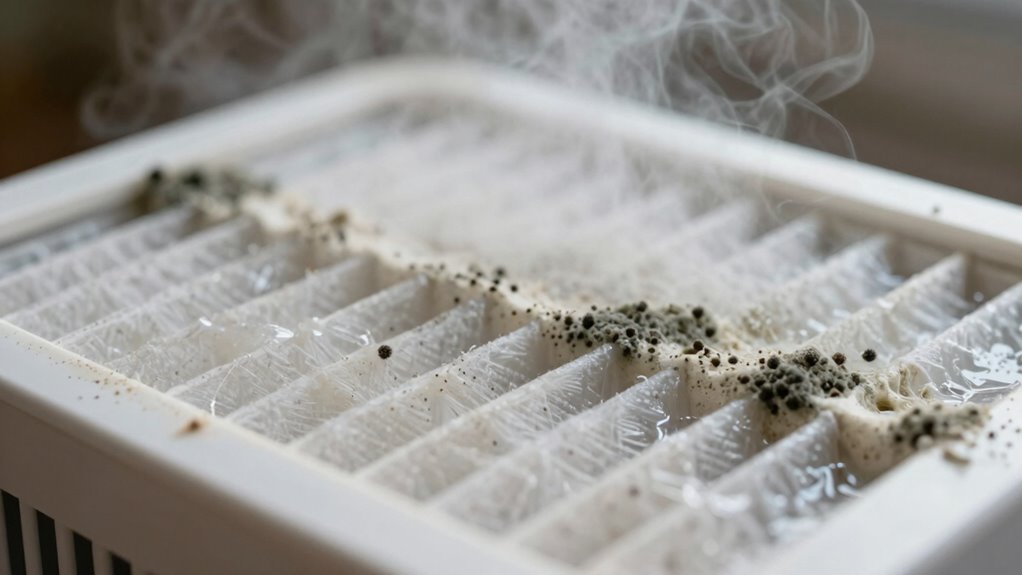
To keep your air purifier working effectively against mold and odors, you need to stay on top of regular filter changes. Good ventilation and controlling moisture levels also play a key role in preventing mold growth. With these simple maintenance steps, your purifier can do its best to keep your air fresh.
Regular Filter Replacement
How often you replace your air purifier’s filter makes a big difference in its ability to combat mold spores and musty odors. Regular filter replacement ensures ideal filter maintenance, preventing buildup that can reduce efficiency. Neglecting timely changes can hinder air quality monitoring and allow mold spores to circulate freely. To keep your purifier working effectively, consider these tips:
- Follow the manufacturer’s recommended replacement schedule
- Check filters monthly for visible dirt or mold
- Replace filters more frequently in high-humidity environments
- Keep an eye on indicator lights for filter change alerts
Consistent filter maintenance not only prolongs the lifespan of your device but also sustains high air quality. Staying proactive with filter replacement helps your purifier combat mold and odors more effectively.
Proper Room Ventilation
Proper room ventilation plays a crucial role in maintaining air quality and preventing mold growth. By ensuring good airflow, you help reduce humidity levels and allow fresh air in, which discourages mold spores and musty odors. You should regularly open windows to promote natural ventilation, especially during dry weather. Using window ventilation effectively lowers indoor humidity and keeps air fresh. To maximize ventilation, consider the following:
| Tip | Explanation |
|---|---|
| Use exhaust fans | Remove stale air and moisture |
| Open windows regularly | Increase air exchange |
| Control humidity levels | Use dehumidifiers or ventilation to keep moisture low |
| Avoid airtight seals | Enable continuous airflow |
| Monitor indoor humidity | Keep it below 50% to prevent mold growth |
Moisture Control Strategies
Maintaining good ventilation helps control indoor humidity, which is essential for preventing mold and odors from taking hold. To enhance moisture control, focus on humidity management and creating effective moisture barriers. These strategies keep excess moisture at bay and inhibit mold growth. You can:
- Use dehumidifiers in damp areas like basements and bathrooms
- Seal leaks and gaps to prevent moisture intrusion
- Install vapor barriers in crawl spaces and underneath flooring
- Regularly monitor humidity levels with a hygrometer, aiming for 30-50%
Frequently Asked Questions
Can Mold Spores Cause Allergic Reactions or Health Problems?
Yes, mold spores can cause allergy symptoms and respiratory issues. When you breathe in these spores, they can trigger sneezing, coughing, and itchy eyes, especially if you’re sensitive or allergic. Mold spores are tiny and easily become airborne, so using air purifiers with HEPA filters can help reduce their presence. However, purifiers alone can’t eliminate mold growth; you also need to address moisture and clean affected areas.
How Long Does It Take for an Air Purifier to Improve Air Quality?
You’ll see air quality improvement within minutes to a few hours, depending on your air purifier’s efficiency and room size. High-efficiency models with HEPA filters work faster to remove mold spores and other pollutants. Keep in mind, continuous operation is key. Within a few hours, your air should feel fresher and cleaner, but for ideal results, run your purifier consistently, especially in spaces prone to mold growth.
Are There Specific Brands Known for Effectively Removing Mold Odors?
You’ll want to look for brands like Molekule, Blueair, and Austin Air, known for effective mold removal and odor elimination. These purifiers use advanced filters or technologies that target mold spores and musty smells, helping improve your air quality faster. Keep in mind, while they’re great for odor elimination, complete mold removal often requires addressing the source directly. Choose a purifier with HEPA filters for the best results.
Does Humidity Control Help Prevent Mold Growth and Musty Smells?
Think of your home as a garden; proper humidity management is like watering at the right time. Yes, controlling humidity helps prevent mold growth and musty smells by keeping moisture levels low. Maintaining ideal humidity is a key part of mold prevention, stopping spores from taking root. Use a dehumidifier or ventilation to keep your environment dry and inviting, making mold and its odors less likely to invade your space.
Can Air Purifiers Eliminate Hidden Mold Behind Walls or in Ducts?
Air purifiers can’t eliminate hidden mold behind walls or in ducts because they only filter airborne spores, not mold growing within surfaces. If you suspect duct contamination or concealed mold, you’ll need a professional inspection and remediation. Purifiers help reduce airborne spores, but they won’t fix the root cause of hidden mold. To fully address the problem, focus on specialized cleanup and fixing moisture issues that promote mold growth.
Conclusion
While air purifiers can considerably reduce mold spores and musty smells, they can’t eliminate mold growth itself. Relying solely on them might give you a false sense of security. Address underlying moisture issues and consider professional mold remediation when needed. Remember, maintaining a clean, dry environment is the most effective way to prevent mold and odors from returning. Don’t assume an air purifier is a complete fix—treat it as part of a broader mold management strategy.