
Moisture absorbers are ideal for controlling humidity and protecting items from rust, corrosion, and damage, especially in storage areas or vehicles. Machine accessories, on the other hand, are designed to improve equipment performance, safety, or durability, like filters or protective covers. Knowing where each fits helps you keep your tools and machinery in top shape. Keep exploring to find out how each solution can work best for your specific needs.

Get home appliances delivered free with Prime
- Fast, free delivery on millions of items
- Prime Video, Amazon Music and more included
- Member-only deals all year
Key Takeaways
- Moisture absorbers specifically reduce humidity to prevent rust and corrosion, fitting in storage or humidity-sensitive environments.
- Machine accessories enhance equipment performance, safety, or durability, suitable for industrial or demanding operational settings.
- Moisture absorbers do not directly influence equipment functionality, unlike accessories that improve efficiency or protection.
- Use moisture absorbers where moisture buildup is a concern; deploy machine accessories to optimize equipment operation.
- Both solutions work together to extend equipment lifespan and ensure optimal performance under various environmental conditions.
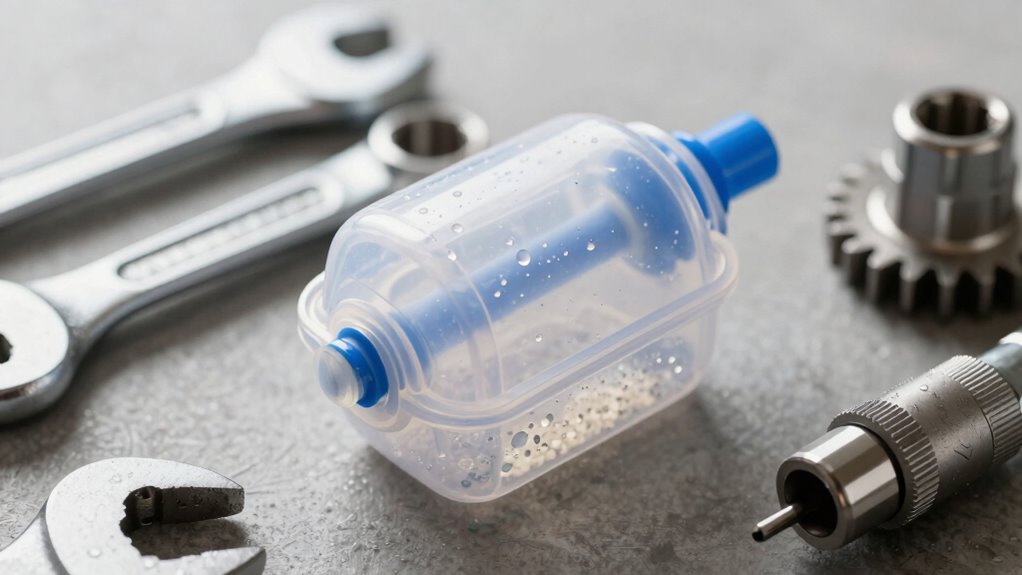
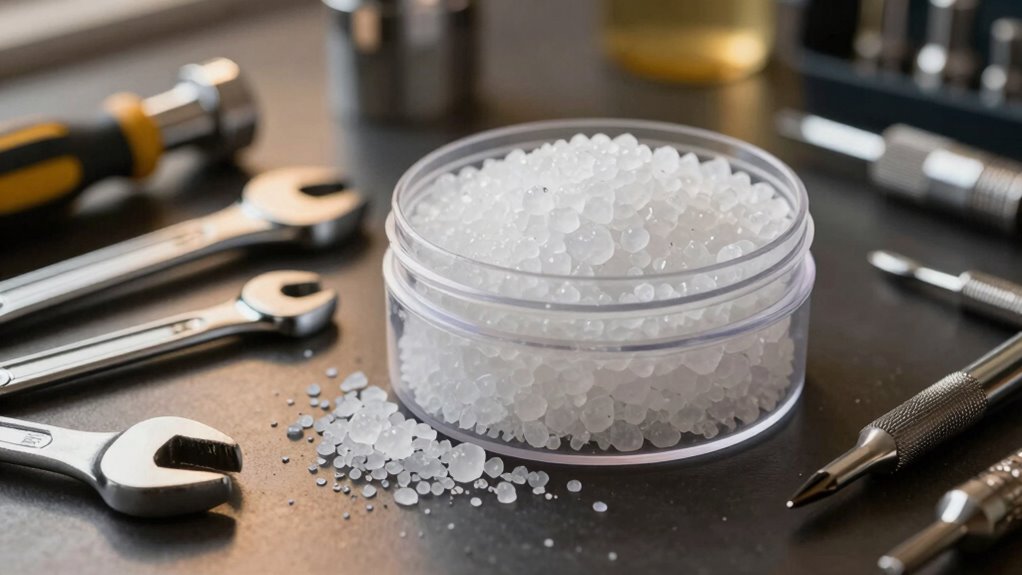
When it comes to maintaining your machinery and protecting your belongings, understanding the difference between moisture absorbers and machine accessories is essential. Moisture control plays a crucial role in preventing rust, corrosion, and damage that can compromise your equipment’s performance. Moisture absorbers are specifically designed for humidity control—they actively reduce excess moisture in the air, creating a dry environment that safeguards your tools, electronics, and stored items. These products often come in desiccant packs or silica gel containers, which you place in strategic locations to absorb humidity. They’re especially useful in storage rooms, tool cabinets, or vehicles where moisture tends to accumulate. By managing humidity levels, moisture absorbers help extend the lifespan of your equipment and reduce maintenance costs, providing a simple yet effective solution for moisture-related issues.
On the other hand, machine accessories focus more on equipment enhancement. These are add-ons or components that improve the functionality, efficiency, or safety of your machinery. They might include protective covers, filters, or ergonomic attachments that optimize performance. Unlike moisture absorbers, these accessories don’t directly control humidity but enhance the equipment’s operation or durability. For example, adding a dust filter to a compressor not only protects internal parts but also maintains cleaner airflow, which can indirectly help in humidity-sensitive environments. Similarly, vibration dampers can reduce wear and tear, helping your equipment work more efficiently over time. Incorporating protective measures such as these is vital when you want to maximize equipment uptime and ensure consistent performance, especially in demanding industrial or outdoor settings. Proper humidity management is essential for maintaining optimal equipment conditions and preventing long-term damage. Additionally, selecting the right environmental controls can further enhance your equipment’s resilience in various conditions. Understanding the importance of moisture control in equipment maintenance can help you make more informed decisions for your setup, especially when considering humidity-sensitive environments.
Products Worth Considering

Levoit Vital 100S-P Air Purifier with Washable Pre-Filter

DREAME D20 Air Plus Robot Vacuum and Mop with Auto-Empty Dock

LEVOIT Vital 200S-P Smart Air Purifier for Large Rooms, White
As an affiliate, we earn on qualifying purchases.
Frequently Asked Questions
Can Moisture Absorbers Be Reused After Saturation?
Yes, some moisture absorbers can be reused after saturation. Look for reusable options that you can dry out or recharge, often indicated by saturation indicators showing when they’re full. You might need to dry them in the sun or oven to restore their moisture-absorbing capacity. Always check the manufacturer’s instructions to guarantee proper reactivation, so you maximize their effectiveness and lifespan before replacing them.
Are Moisture Absorbers Safe for Food Storage?
Sure, moisture absorbers are safe for food storage—if you ignore hygiene considerations. Ironically, they prevent mold and spoilage, but only if you use food-grade types designed for that purpose. Always check labels to verify they’re safe for food preservation. Using non-food-grade absorbers could introduce contaminants. So, prioritize food-safe options to keep your stored items fresh and hygienic, avoiding any unintended risks.
How Do Machine Accessories Improve Equipment Lifespan?
Machine accessories enhance your equipment’s lifespan by improving moisture control and ensuring ideal performance. They protect essential components from rust, corrosion, and damage caused by excess humidity. By maintaining a stable environment, these accessories reduce wear and tear, preventing costly repairs or replacements. When you invest in the right machine accessories, you’re actively supporting equipment protection, which leads to longer-lasting, more reliable operation and minimizes downtime in your daily tasks.
What Maintenance Do Moisture Absorbers Require?
You need to keep moisture absorbers in tip-top shape to guarantee humidity control and extend product longevity. Check them regularly for saturation; if they’re full, replace or recharge them as needed. Keep the surrounding area dry and well-ventilated, and avoid exposing absorbers to extreme temperatures. Doing this is like keeping your tools sharp — it’s the best way to prevent issues and maintain ideal performance.
Can Moisture Absorbers Prevent Corrosion Effectively?
Yes, moisture absorbers can effectively prevent corrosion by controlling humidity levels, which helps maintain material preservation. You should place them in areas prone to moisture buildup, such as storage rooms or tool cabinets, to keep humidity low. Regularly replacing or recharging the absorbers guarantees continuous humidity control. By doing so, you protect your equipment and materials from rust and deterioration, extending their lifespan and maintaining ideal condition.
Conclusion
Think of moisture absorbers and machine accessories as two sides of the same coin—each essential in its own way. Moisture absorbers keep your space dry like a desert breeze, while machine accessories enhance performance like a finely tuned orchestra. By choosing the right one for your needs, you guarantee your equipment stays in top shape and your environment remains comfortable. When used wisely, they’re the perfect pair, working together like a well-choreographed dance.