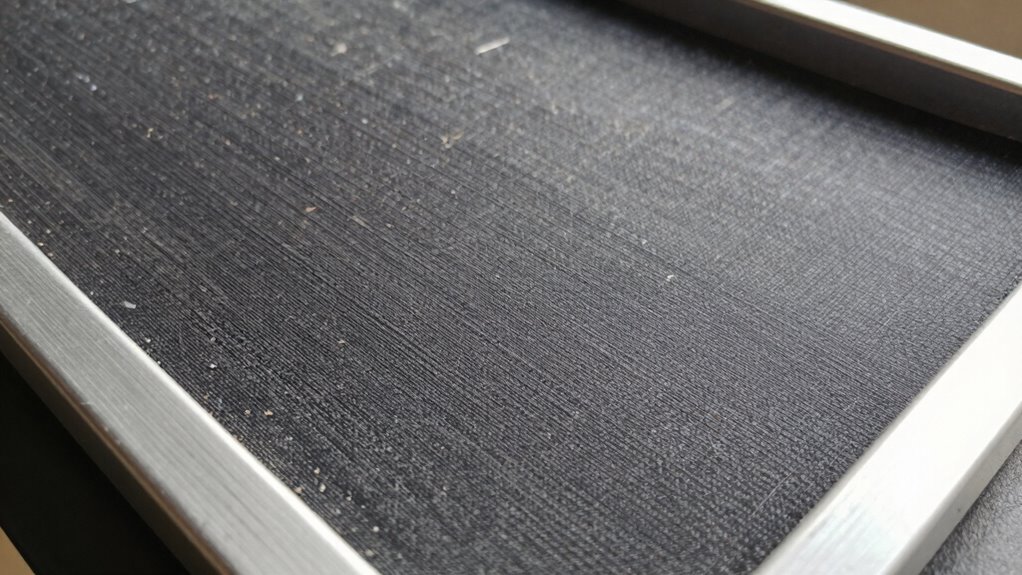

Your pre-filter fabric captures larger particles like dust, dirt, and pollen before they reach your main filter. It works by trapping debris through its pore size and weave pattern, which balances airflow and durability. Choosing the right fabric guarantees it resists moisture, chemicals, and tearing, extending its lifespan. Proper selection boosts system efficiency, reduces maintenance, and keeps your indoor air cleaner. Keep going to discover how the right fabric choice makes a real difference in mess management.

Get home appliances delivered free with Prime
- Fast, free delivery on millions of items
- Prime Video, Amazon Music and more included
- Member-only deals all year
Key Takeaways
- Pre-filter fabrics trap larger particles like dust, dirt, and pollen, preventing them from reaching the main filtration system.
- Pore size and weave pattern determine what debris is captured and airflow efficiency is maintained.
- Material composition influences resistance to moisture, chemicals, and environmental stressors, ensuring continued debris capture.
- Durable fabrics withstand cleaning and harsh conditions, maintaining their ability to catch messes over time.
- Proper fabric selection balances debris filtration with airflow, reducing system strain and improving overall cleanliness.
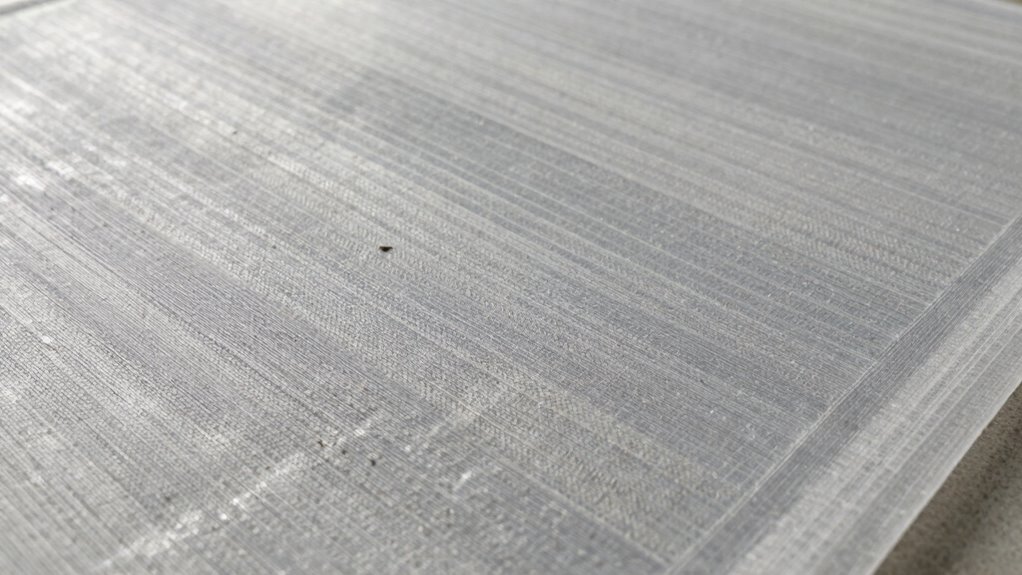
Choosing the right pre-filter fabric is essential for guaranteeing your filtration system works efficiently and lasts longer. Your choice directly impacts how well the system captures debris and maintains airflow, which is critical for overall performance. When selecting a fabric, you want one that strikes a balance between airflow optimization and fabric durability. If the fabric lets air pass through freely, your system can operate at peak efficiency without excessive strain on fans or blowers. Conversely, if the fabric is too dense or wears out quickly, it can restrict airflow, cause system overloads, and require frequent replacements, increasing your maintenance costs.
Airflow optimization is key, and it depends heavily on the fabric’s pore size and weave pattern. A fabric with appropriately sized pores will trap larger particles like dust, dirt, and other airborne debris while allowing clean air to flow smoothly. This ensures your filtration system doesn’t get clogged prematurely, maintaining consistent airflow and reducing energy consumption. Proper airflow also prevents pressure build-up, which can damage the system or reduce its lifespan. You want a pre-filter fabric that balances filtration efficiency with minimal resistance, so your system doesn’t have to work harder than necessary. Understanding pore size helps in selecting the right fabric that optimizes airflow while capturing debris effectively. Additionally, considering the fabric’s material composition can influence its resistance to environmental factors, further extending its lifespan. A well-chosen fabric also contributes to the overall energy efficiency of your system, reducing operational costs over time.
Fabric durability is equally important because a material that wears out quickly will lead to frequent replacements and increased operational costs. High-quality fabrics are designed to withstand harsh environmental conditions, such as exposure to moisture, chemicals, and temperature fluctuations. They resist tearing, fraying, and other forms of deterioration, ensuring your filtration system remains effective over time. Durable fabrics also tend to maintain their structural integrity, preserving their pore size and filtration capabilities even after repeated cleanings or prolonged use. Selecting fabrics with appropriate tensile strength ensures they can endure the rigors of ongoing filtration without compromising performance. To further enhance longevity, some fabrics are treated with protective coatings that improve resistance against environmental stressors.
Ultimately, selecting a pre-filter fabric with both airflow optimization and fabric durability in mind means you’re investing in a component that enhances your system’s longevity and efficiency. It’s worth considering the material’s specifications, such as its tensile strength and pore size, to match your specific needs. Properly chosen fabric not only catches the mess—trapping dust, pollen, and other particles—but also keeps your system running smoothly and reliably. When you prioritize these factors, you’re less likely to experience downtime, higher energy bills, or costly repairs down the line. In the end, the right pre-filter fabric helps you achieve cleaner air, better system performance, and longer-lasting equipment.
pre-filter fabric for air purifiers
As an affiliate, we earn on qualifying purchases.
As an affiliate, we earn on qualifying purchases.
Frequently Asked Questions
How Long Does a Pre-Filter Fabric Typically Last?
A pre-filter fabric typically lasts about 3 to 6 months, depending on material durability and usage. You should replace it more frequently if you notice a significant buildup of debris or reduced airflow. Regular inspections are key—if the fabric shows signs of tears or heavy dirt, it’s time for a replacement. Proper maintenance guarantees your system remains efficient, extending the lifespan of both the filter and your equipment.
Can Pre-Filter Fabric Be Washed and Reused?
Yes, pre-filter fabric can be washed and reused. Its material durability allows you to clean it with simple methods like gentle rinsing or vacuuming to remove dust and debris. For more thorough cleaning, hand wash with mild soap and water, then air dry completely before reuse. Using proper cleaning methods helps extend its lifespan, ensuring your pre-filter remains effective and saving you money over time.
Which Environments Benefit Most From Pre-Filter Fabrics?
If you’re trying to save the planet or just breathe easier, pre-filter fabrics thrive in dusty workshops, busy kitchens, or polluted outdoor areas. They dramatically improve air quality by trapping larger particles before they reach your filters, reducing environmental impact. So, if you want cleaner air and less waste, these fabrics are perfect for environments where dust and debris are the biggest villains. Your lungs—and Mother Earth—will thank you.
Does Pre-Filter Fabric Affect Airflow or System Efficiency?
Pre-filter fabric can slightly increase airflow resistance, but it generally doesn’t hinder system performance when chosen correctly. It helps trap larger particles early, reducing strain on your main filter, which can improve overall airflow and efficiency. By preventing clogging, it maintains steady airflow, supporting ideal system performance. Just guarantee you select a fabric that balances filtration and airflow to avoid unnecessary pressure drops that could impact efficiency.
What Are the Signs That a Pre-Filter Needs Replacement?
You’ll know your pre-filter needs replacement when it shows signs like excessive dirt buildup, visible debris, or reduced airflow. If you notice your system working harder or decreased efficiency, it’s time to contemplate pre filter lifespan and replacement indicators. Typically, pre filters should be checked regularly—usually every 1-3 months—so you can replace them before they hinder system performance or compromise air quality.
dust and pollen pre-filter material
As an affiliate, we earn on qualifying purchases.
As an affiliate, we earn on qualifying purchases.
Conclusion
Now that you understand how pre-filter fabrics trap messes, you’re equipped to make smarter choices. Think of these fabrics as your silent guardians, silently working behind the scenes, capturing the unwanted before they reach your main filters. With this knowledge, you’re not just cleaning—you’re mastering the art of prevention. Embrace the power of pre-filter fabrics, and watch your space stay cleaner, longer. After all, isn’t prevention always the wiser path?
durable pre-filter fabric for HVAC
As an affiliate, we earn on qualifying purchases.
As an affiliate, we earn on qualifying purchases.
moisture resistant pre-filter fabric
As an affiliate, we earn on qualifying purchases.
As an affiliate, we earn on qualifying purchases.
Fall yard work Picks
leaf blowers
As an affiliate, we earn on qualifying purchases.