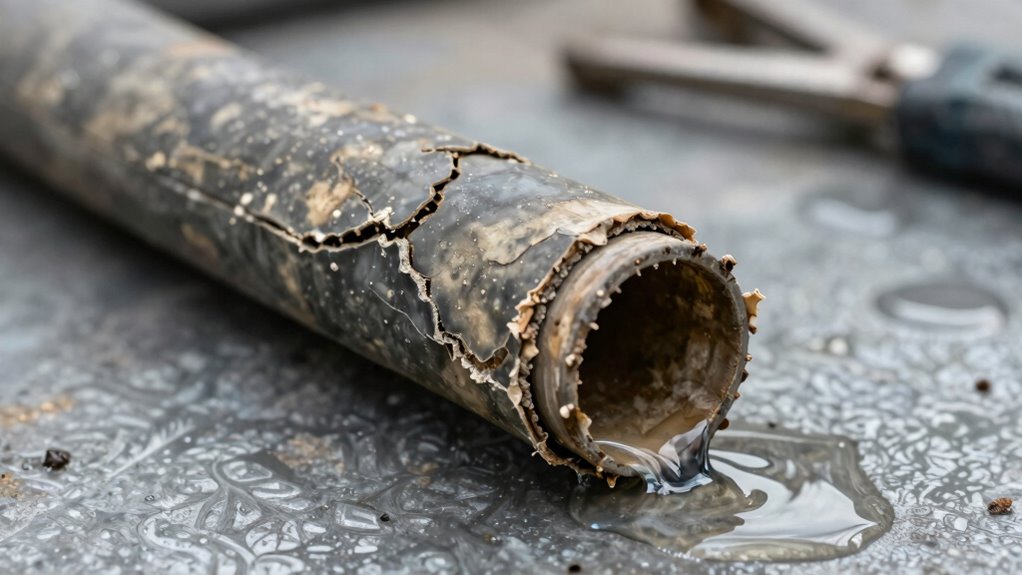

Most replacement hoses fail early because you often choose the wrong material or neglect proper installation. Cheap rubber hoses may crack quickly, while using hoses outside their pressure or temperature limits causes premature breakdown. Improper fittings, overtightening, or not securing the hose can also lead to early failure. If you want to understand how to avoid these common mistakes and ensure longer-lasting hoses, there’s more you need to take into account.

Get home appliances delivered free with Prime
- Fast, free delivery on millions of items
- Prime Video, Amazon Music and more included
- Member-only deals all year
Key Takeaways
- Using low-quality or incompatible hose materials increases the risk of early cracking or brittleness.
- Incorrect installation, such as overtightening fittings or improper orientation, causes premature hose failure.
- Exposing hoses to harsh environmental conditions without proper rated materials accelerates deterioration.
- Ignoring manufacturer guidelines on pressure, temperature, or compatibility leads to early breakdowns.
- Failing to perform regular inspections and maintenance allows minor issues to develop into major failures.
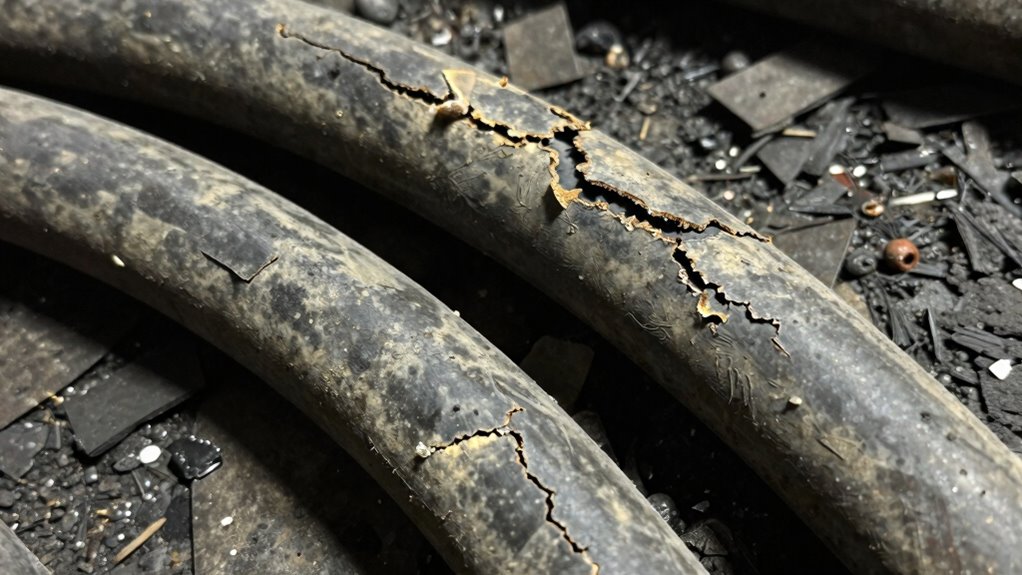
When you replace a hose, it might seem like a straightforward fix, but many new hoses fail prematurely, leaving you back at square one. The main reason often boils down to the quality of the hose material and the way it’s installed. If you overlook these factors, even the most durable-looking hose can give out long before its expected lifespan.
Hose material plays a crucial role in how long your replacement lasts. Not all hoses are created equal—some are made from rubber, others from reinforced synthetic materials, and some from more specialized compounds designed for high pressure or extreme temperatures. Choosing a hose with the right material for your specific application is essential. For instance, a garden hose made from cheap rubber may crack or become brittle after just a season, while a reinforced, high-grade synthetic hose will stand up to wear and tear much longer. Skimping on quality might save you money upfront, but it guarantees you’ll be replacing the hose again sooner rather than later. Additionally, understanding the properties of hose materials can help you select the most suitable hose for your needs.
Installation techniques are equally important. Even the best hose can fail prematurely if not installed properly. When connecting a new hose, ensure that fittings are securely tightened but not overtightened, as this can cause damage to the hose or fittings. Using the correct tools and avoiding excessive force prevents unnecessary stress on the hose material. Also, pay attention to orientation—some hoses are designed to handle pressure or flow in a specific direction. Ignoring these guidelines can create weak points or lead to leaks that eventually cause failure. Additionally, don’t forget to check for sharp edges or abrasive surfaces that might wear down the hose over time. Properly securing the hose to prevent movement or rubbing against rough surfaces minimizes unnecessary stress, extending its lifespan. Recognizing the importance of proper installation practices can make a significant difference in hose durability. Furthermore, using appropriate fittings and ensuring they are compatible with your hose type can prevent leaks and early failure.
Furthermore, understanding the importance of hose material and its properties can help you choose the best option for your needs. Inadequate installation practices or choosing a hose with inferior material guarantee early failure. Even if you think you’ve installed everything correctly, revisiting the manufacturer’s instructions can reveal overlooked details. Using the wrong type of hose or ignoring recommended pressure ratings and temperature limits directly results in early breakdowns. Regular inspection and maintenance also help catch issues before they become critical, allowing you to replace or repair sections before a complete failure occurs. Additionally, considering the environmental conditions in which the hose will be used can help prevent premature damage caused by exposure to sunlight, chemicals, or extreme weather. Being aware of these environmental factors and selecting a hose rated for such conditions can significantly extend its lifespan.
Ultimately, the key to avoiding early hose failure is understanding that quality hose material combined with proper installation techniques makes all the difference. You might save a few bucks on cheap hoses or rush the installation, but those shortcuts often lead right back to the starting point. Invest in good-quality hoses suited for your needs and take the time to install them correctly, and you’ll enjoy longer-lasting, more reliable performance.
reinforced synthetic garden hoses
As an affiliate, we earn on qualifying purchases.
As an affiliate, we earn on qualifying purchases.
Frequently Asked Questions
What Are the Most Common Materials Used for Replacement Hoses?
You’ll find that the most common materials for replacement hoses are rubber, silicone, and reinforced plastics. These materials are chosen for their material durability and manufacturing quality, which directly impact the hose’s lifespan. Rubber hoses are flexible and resistant to temperature changes, silicone offers excellent heat resistance, and reinforced plastics add strength. Choosing hoses made from high-quality materials guarantees you avoid early failure, making your repairs more reliable and longer-lasting.
How Can I Tell if a New Hose Is Defective?
You can tell if a new hose is defective by inspecting its hose durability and ensuring material compatibility. Look for visible cracks, bulges, or leaks, which indicate poor quality. Check if the hose’s material suits your system’s requirements, as incompatible materials can fail prematurely. Additionally, test it under pressure if possible. If it shows signs of weakness or doesn’t fit properly, it’s likely defective and should be replaced before causing damage.
Are There Specific Brands Known for Longer-Lasting Hoses?
Like the wise owl in the old tales, you should look for brands with a reputation for durability. Top brands often invest in higher-quality materials, ensuring longer-lasting hoses. Check reviews and manufacturer warranties to gauge reliability. Brands with a solid reputation tend to produce hoses that resist cracking and failure, giving you peace of mind. Prioritize those known for hose durability, and you’ll avoid early replacements and enjoy lasting performance.
What Tools Are Needed to Install Replacement Hoses Properly?
You’ll need a screwdriver or pliers to remove and tighten hose clamps securely. Make sure to choose the right size for your replacement hoses. Use proper sealing techniques, like applying a bit of lubricant or ensuring a snug fit, to prevent leaks. Inspect the hoses and clamps for damage before installation. Proper tools and sealing methods help your new hoses last longer and avoid early failure.
How Often Should Replacement Hoses Be Inspected for Early Failure?
You should inspect your replacement hoses every 3 to 6 months to catch early failure signs. Regular inspections help you monitor hose durability, checking for cracks, leaks, or bulges. By maintaining a consistent inspection frequency, you guarantee your hoses stay reliable, preventing unexpected failures. Staying vigilant with routine checks maximizes hose lifespan, keeps your system safe, and avoids costly repairs, ultimately giving you peace of mind.
high pressure rated rubber hoses
As an affiliate, we earn on qualifying purchases.
As an affiliate, we earn on qualifying purchases.
Conclusion
Next time you replace a hose, picture the water’s relentless flow testing every inch, anxious to escape. If you don’t choose the right material or install it correctly, that fragile new hose becomes your weakest link—failing almost as soon as it’s in place. Don’t let your investment turn into a leak waiting to happen. Instead, take the time to guarantee a secure fit, so your new hose can withstand the endless march of water, mile after mile.
As an affiliate, we earn on qualifying purchases.
As an affiliate, we earn on qualifying purchases.
NFL season / tailgating Picks
team gear
As an affiliate, we earn on qualifying purchases.