
Proactively managing condensation with strategic ventilation and insulation helps you prevent wet windows before they appear. By controlling indoor humidity, venting moist air outside, and upgrading insulation to keep surfaces warm, you reduce the chances of moisture buildup. Using smart moisture sensors and regularly maintaining systems guarantees your space stays dry and healthy. Taking these steps is more effective than waiting for signs of trouble. Keep going to discover how these methods can keep your home mold-free and comfortable.
Key Takeaways
- Proactively combining ventilation and insulation prevents moisture buildup before wet windows appear.
- Regular monitoring with humidity sensors allows early detection of condensation risks.
- Upgrading insulation reduces cold spots, minimizing surface condensation risks.
- Effective ventilation controls indoor humidity, stopping moisture accumulation from daily activities.
- Addressing root causes early avoids costly repairs and mold growth associated with waiting for wet windows.
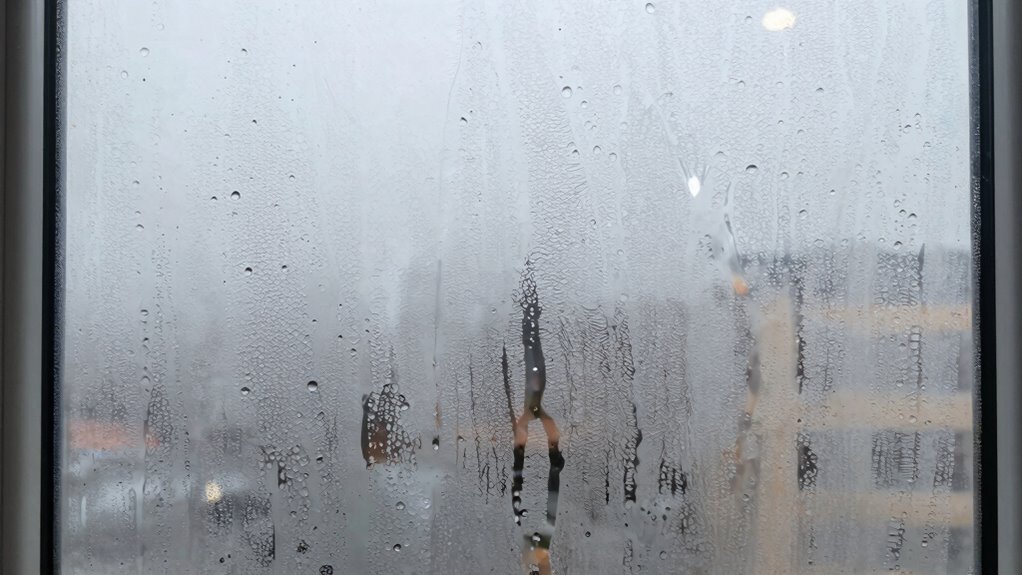
Have you ever wondered how to determine if a building’s interior surfaces are at risk of condensation? It’s a common concern, especially in colder months when windows and walls tend to fog up. Instead of waiting for visible signs like wet windows, you can use a proactive condensation risk method that relies on understanding the building’s ventilation strategies and insulation techniques. This approach helps you identify potential problem areas early, so you can implement effective solutions before damage occurs.
First, focus on your ventilation strategies. Proper airflow is vital because it controls humidity levels inside the building. If you don’t have adequate ventilation, moisture from everyday activities—like cooking, laundry, or even breathing—can accumulate indoors. This excess moisture increases the likelihood of condensation on cold surfaces. You should evaluate whether your ventilation system is sufficient and functioning correctly. Are vents venting moist air outside? Do you have enough mechanical ventilation or natural airflow? If not, adding or improving these systems can considerably reduce indoor humidity, lowering the risk of condensation. Understanding your building’s ventilation can help you optimize airflow patterns and humidity control. Additionally, ensuring proper ventilation can help prevent mold growth caused by excess moisture. Regular maintenance of your ventilation system can also ensure its efficiency over time.
Ensure your ventilation is effective to keep indoor humidity low and prevent condensation buildup.
Next, inspect your insulation techniques. Well-insulated walls and windows keep interior surfaces warmer, making condensation less likely. When insulation is lacking or improperly installed, cold spots develop on walls and windows, creating ideal conditions for moisture to condense. Check if your walls, attic, and windows are properly insulated with materials suited for your climate. Upgrading insulation can keep surface temperatures above the dew point, preventing moisture buildup. Additionally, consider insulating window frames or adding thermal curtains to further reduce cold spots near glass surfaces. Good insulation not only affects comfort but also plays a key role in moisture control by maintaining consistent surface temperatures.
By combining effective ventilation strategies with appropriate insulation techniques, you create an environment less prone to condensation. This proactive method is far better than simply reacting after noticing wet windows or mold growth. It allows you to control indoor humidity and temperature levels, which are the main factors influencing condensation risk. Regularly monitoring building insulation and ventilation can give you a clearer picture of your building’s interior climate and help you make adjustments before problems become visible or costly. Incorporating smart humidity sensors can further enhance your ability to track moisture levels accurately.
Ultimately, this condensation risk method empowers you to take preventive action, saving you time, money, and potential property damage. Instead of waiting for the telltale signs of excess moisture, you address the root causes through proper ventilation and insulation. This way, you maintain a healthier, more comfortable indoor environment while reducing the chances of mold, rot, or structural issues caused by moisture infiltration. It’s a smarter, more efficient approach that keeps your building dry and safe year-round.

Govee Digital Hygrometer Indoor Thermometer Room H5075, Bluetooth Temperature Humidity Meter with 164ft Remote App Control, Notification Alerts, 2 Years Data Storage Export for Bedroom, Wine Cellar
Smart Features: The Govee Wireless Thermometer Hygrometer supports all basic functions as well as smart functions such as…
As an affiliate, we earn on qualifying purchases.
As an affiliate, we earn on qualifying purchases.
Frequently Asked Questions
How Quickly Can This Method Predict Condensation Risk?
You can expect this method to predict condensation risk almost instantly once you input current humidity levels and temperature thresholds. It quickly analyzes real-time data, allowing you to assess whether conditions are likely to cause condensation. This swift process helps you take proactive steps to prevent moisture buildup, ensuring your space remains comfortable and mold-free. No more waiting for wet windows—your risk prediction is fast and reliable.
Does the Method Require Special Equipment or Tools?
You don’t need special equipment or complex tools to use this method. It’s straightforward, like checking a weather forecast, but for your windows’ safety. However, a basic understanding of the principles involved can help, so some technical training might be beneficial. With just simple measurements and observations, you can quickly assess condensation risk, making your decision-making more proactive and effective, without the hassle of expensive gadgets.
Can This Method Be Used for All Window Types?
Yes, you can use this method for most window types, but you should consider window compatibility and material considerations first. Different materials like wood, vinyl, or aluminum react differently to temperature and moisture, so adjust your approach accordingly. Make certain that the method suits your window’s specific design and material to effectively reduce condensation without causing damage. Always check manufacturer guidelines if available for the best results.
Is Training Needed to Apply This Condensation Risk Method?
No, training isn’t strictly necessary to apply this condensation risk method, but it’s recommended to guarantee accurate results. Your skill level plays a role in how effectively you can use the method, especially if you’re unfamiliar with the underlying concepts. With proper training, you’ll develop a better understanding of the process and improve your ability to assess condensation risks accurately, making your evaluations more reliable and effective.
How Cost-Effective Is This Approach Compared to Traditional Methods?
You see a clear savings horizon when using this approach, with a sharp cost comparison favoring early detection over costly repairs. It’s more cost-effective because it prevents moisture buildup before it causes damage, saving you money on repairs and energy. The economic benefits stack up quickly, making this method a smart investment. Training helps you master it efficiently, ensuring you maximize these savings and protect your property effectively.
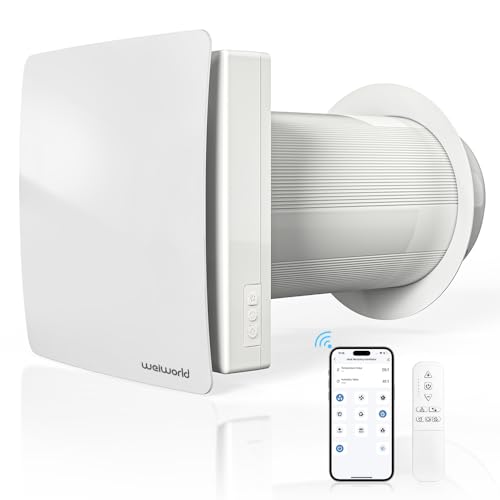
Weiworld Through Wall HEPA Ventilation Fan with WiFi & Remote Control, Ultra Quiet EC Motor Wall Vent, Fresh Air Intake & Air Exchange System for Bedroom, Home Office, Attic
【HEPA Fresh Air Ventilation Fan】Equipped with a 3-stage filtration system (pre-filter, HEPA filter, and activated carbon), this wall-mounted…
As an affiliate, we earn on qualifying purchases.
As an affiliate, we earn on qualifying purchases.
Conclusion
You see, relying on the condensation risk method is smarter than just waiting for wet windows to appear. It helps you catch potential problems early, before they turn into costly repairs or mold issues. By understanding and applying this proactive approach, you stay ahead of the game, protecting your home’s integrity. Don’t wait for the signs to show—use the risk method now and keep your space dry and comfortable. It’s a simple, effective way to prevent future headaches.

AGHITG Reflective Insulation Foam,48" x 10 Ft Window Insulation for Summer Heat,Aluminum Foil Bubble Insulation Roll for Keep Heat,Window Insulation Kit for RV, Thermal Insulation Cover for Window.
AlUMINUM REFLECTIVE INSULATION ROLL SIZE: 48''(W) x 10Ft (L), Easy to cut that can cater to all your…
As an affiliate, we earn on qualifying purchases.
As an affiliate, we earn on qualifying purchases.

Nkiy Quen 3 Layer 63 x 47 Inches Winter Insulated Window Curtain-Oxford Thermal Insulated Window Blanket with Fastener-Gray Window Insulation Kit for Winter Keeping Warm
Practical Set:We offer you 1 piece 63"L x 47"W gray winter insulated curtain, 1 roll 18ft fasteners and…
As an affiliate, we earn on qualifying purchases.
As an affiliate, we earn on qualifying purchases.