To quickly map problem zones in open-concept homes, observe how people move and gather during different times of day. Identify loud or crowded spots and note where noise or privacy issues occur. Use furniture, lighting, and visual cues like plants or shelves to see how spaces flow. Pay attention to sound travel and lighting patterns to spot trouble areas. Keep exploring to discover more smart strategies for creating a balanced, comfortable space.
Key Takeaways
- Observe movement patterns and noise levels during different times to identify high-traffic and noisy zones quickly.
- Use furniture placement and visual barriers to delineate areas and assess how space functions naturally.
- Conduct informal walkthroughs, noting areas where sound and activity disruptions are most prominent.
- Utilize lighting and natural elements to highlight spatial divisions and problem zones.
- Apply targeted soundproofing and physical cues in identified zones for immediate mitigation.
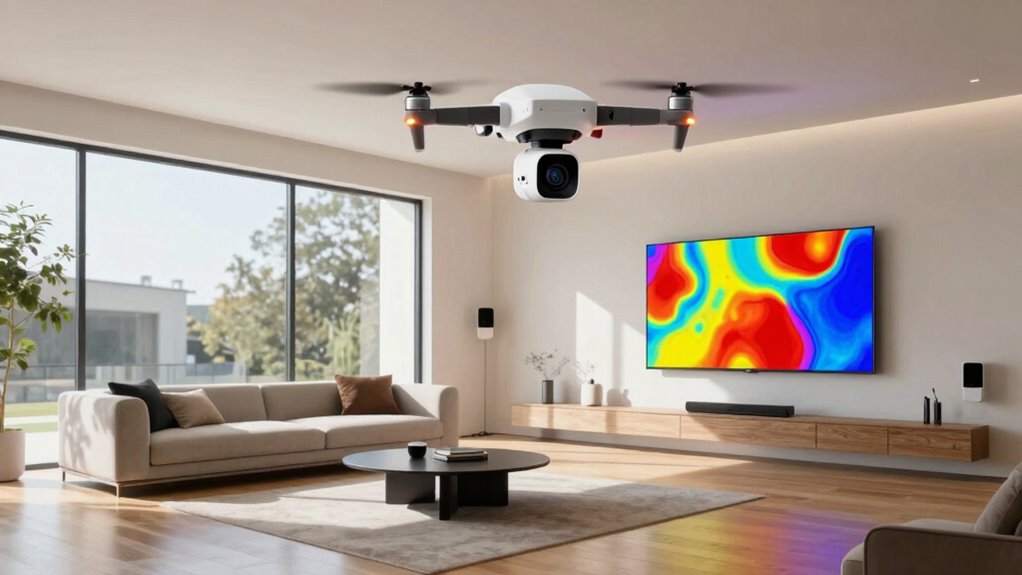
Open-concept homes offer a seamless, spacious feel, but they can also present unique challenges when it comes to identifying and addressing problem zones. Without walls to contain sound or define specific areas, you might find yourself struggling to create a sense of privacy or manage noise levels. That’s where smart zoning becomes your best ally. By strategically dividing the space into functional zones, you can enhance comfort and usability without sacrificing the open feel you love. Start by observing how you move through your home during different times of the day. Notice which areas tend to get noisy or feel crowded, and use that insight to plan your zones.
Smart zoning transforms open spaces into comfortable, organized areas tailored to your lifestyle and noise levels.
Implementing smart zoning isn’t complicated. You can use furniture placement, area rugs, or even lighting to define distinct spaces. For example, a large bookshelf or a combination of tall plants can act as visual barriers, subtly separating the living room from the dining area. These physical cues help your brain recognize different zones, making the open space feel more organized and manageable. When it comes to noise mitigation, consider where sound tends to bounce or amplify. Hard surfaces like tile or glass can create echo or amplify noise, making conversations or TV sounds carry farther than you’d like. Adding soft furnishings such as cushions, curtains, or fabric wall hangings can absorb excess sound, creating a more peaceful environment.
Incorporate smart zoning and noise mitigation techniques together for the best results. For instance, if your kitchen is open to the living area and tends to get noisy during meal prep, create a designated cooking zone with a movable island or a partial partition. This can contain the sounds and smells, while still maintaining the overall openness. Meanwhile, installing sound-absorbing panels or acoustic tiles in the ceiling can further reduce noise transmission across the space. You can also think about using different lighting zones to visually separate areas, making it easier to focus and relax in each part of your open home. Additionally, understanding how biodiversity influences your environment and incorporating natural elements can improve overall acoustics and air quality. Incorporating natural lighting can also support a healthier, more balanced atmosphere within your open layout. Recognizing the importance of sound absorption in your interior design can significantly improve overall comfort. Paying attention to how sound travels helps you identify problem zones more efficiently, ensuring a more harmonious living space.
By paying close attention to how the space responds to different design strategies, you can more effectively map out problem zones and tailor solutions that fit your lifestyle. Combining smart zoning principles with noise mitigation techniques will help you create a harmonious, functional environment that maintains the open-concept appeal while reducing chaos and noise. This approach transforms your home into a more comfortable and organized sanctuary, allowing you to enjoy the airy design without feeling overwhelmed.

Focusound 52 Pack Acoustic Foam Panels 1" x 12" x 12" Sound Proof Foam Panles Soundproofing Noise Cancelling Wedge Panels for Home Office Recoding Studio with 300PCS Double-Side Adhesive
Soundproofing – Acoustic foam panels triangular grooves structure for better noise absorption, helps to reduce and absorb unwanted…
As an affiliate, we earn on qualifying purchases.
As an affiliate, we earn on qualifying purchases.
Frequently Asked Questions
How Can I Improve Sound Insulation in Open-Concept Zones?
You can improve sound insulation in open-concept zones by applying soundproofing techniques like installing mass-loaded vinyl or acoustic panels. Use plush rugs and heavy curtains to absorb sound, and consider adding acoustic treatments to walls and ceilings. These methods help reduce noise travel, creating a quieter environment. Combining these techniques guarantees a significant reduction in sound transmission, making your open space more comfortable and acoustically balanced.
What Are the Best Lighting Solutions for Mapped Problem Areas?
You should prioritize task lighting in problem areas, like under-cabinet lights or focused pendant fixtures, to provide direct illumination where needed. Combine this with ambient solutions such as recessed or dimmable ceiling lights to create a warm, inviting atmosphere. Layering task and ambient lighting helps you balance functionality and mood, ensuring each zone is well-lit without overwhelming the space. This approach makes open-concept homes both practical and cozy.
How Do I Incorporate Privacy in Open-Concept Layouts?
Think of your open-concept home as a busy street, where privacy screens and zone dividers act as quiet alleys and fences. To incorporate privacy, strategically place these dividers near bedrooms or workspaces, creating cozy zones without sacrificing openness. Use stylish privacy screens that blend with your decor, ensuring each area feels personal and inviting. This way, you maintain the spacious vibe while respecting individual privacy needs.
Can Smart Home Technology Help Identify Problem Zones?
Yes, smart home technology can help identify problem zones through smart sensors and zone mapping. By deploying sensors in different areas, you can monitor temperature, humidity, or noise levels, which reveal issues like drafts or overheating. Zone mapping organizes this data, making it easier to pinpoint problem zones quickly. This proactive approach helps you optimize your space, improve comfort, and address issues efficiently without extensive manual effort.
What Are Cost-Effective Ways to Address Zone-Specific Issues?
To address zone-specific issues cost-effectively, you can implement simple solutions like adjusting vents, sealing leaks, or using zone-specific thermostats. These economical solutions help balance temperatures and improve comfort without major renovations. Focus on zone-specific strategies such as installing draft stoppers or adding insulation. Regularly maintaining your HVAC system also guarantees peak performance, saving money and enhancing comfort across different zones in your open-concept home.
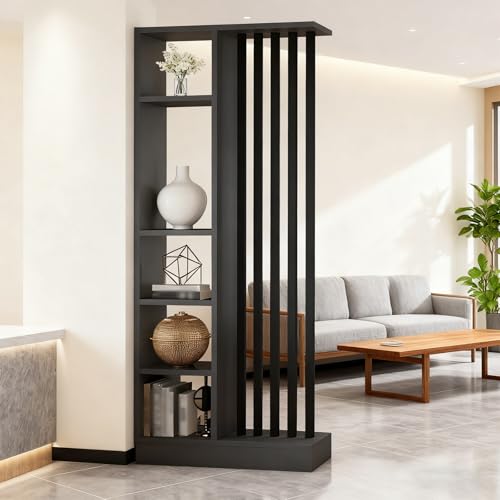
Room Divider with Shelves, Entrance Hall Partition Screen Column Floor to Ceiling – Freestanding Room Divider with Storage Shelf (A Gray + Black, 31.5in / 80cm)
【Improve space utilization】 – This room divider with shelves creates a stylish barrier for your entrance hall, offering…
As an affiliate, we earn on qualifying purchases.
As an affiliate, we earn on qualifying purchases.
Conclusion
By paying close attention to your open-concept home’s subtle signals, you can gently guide its flow and harmony. Mapping those quiet areas that feel a bit off lets you address minor discomforts before they grow. Embrace these small insights as opportunities to refine your space, creating an environment that truly feels like home. Sometimes, it’s the little adjustments that whisper the most profound changes, leading you toward a more balanced and inviting living experience.

TONOR Wood Slatwall Panels, 4 Pack 47.2" x 23.6"/ 120 x60cm(31ft²) Acoustic Wall Panels, Wood Slat Acoustic Panels for Noise Cancelling and Home Decor, Living Room, Bedroom, Office, Walnut
High-Quality Slatwall Panels: Crafted with high-density polyester fiber, premium medium-density fiberboard, and a solid wood veneer. This combination…
As an affiliate, we earn on qualifying purchases.
As an affiliate, we earn on qualifying purchases.

Tribesigns Wall Room Divider, Wood Freestanding Room Divider Bookcase with Shelves & Coat Hooks, 71" Modern Wall Partition for Home & Office Decorative, Brown
Modern Open Design: Featuring clean lines and vertical metal bars, this room divider maintains an open, breathable feel…
As an affiliate, we earn on qualifying purchases.
As an affiliate, we earn on qualifying purchases.