
When a paint label claims “up to 3000 sq ft,” it’s based on ideal conditions that rarely match real-world surfaces. Factors like surface texture, porosity, application method, and paint quality can markedly lower actual coverage. Rushing or uneven coats waste material, and rough or porous surfaces absorb more paint. To get a true idea of how much paint you’ll need, consider these variables—and if you keep exploring, you’ll discover how to plan better.
Key Takeaways
- “Up to” coverage ratings assume ideal conditions, often overestimating real-world results.
- Surface texture and porosity significantly reduce actual coverage compared to theoretical estimates.
- Multiple coats, surface prep, and application techniques can lower actual coverage below the maximum claim.
- Environmental factors like humidity and temperature influence drying and adherence, affecting coverage.
- Accurate planning requires considering surface conditions and application methods, not just the “up to” coverage figure.
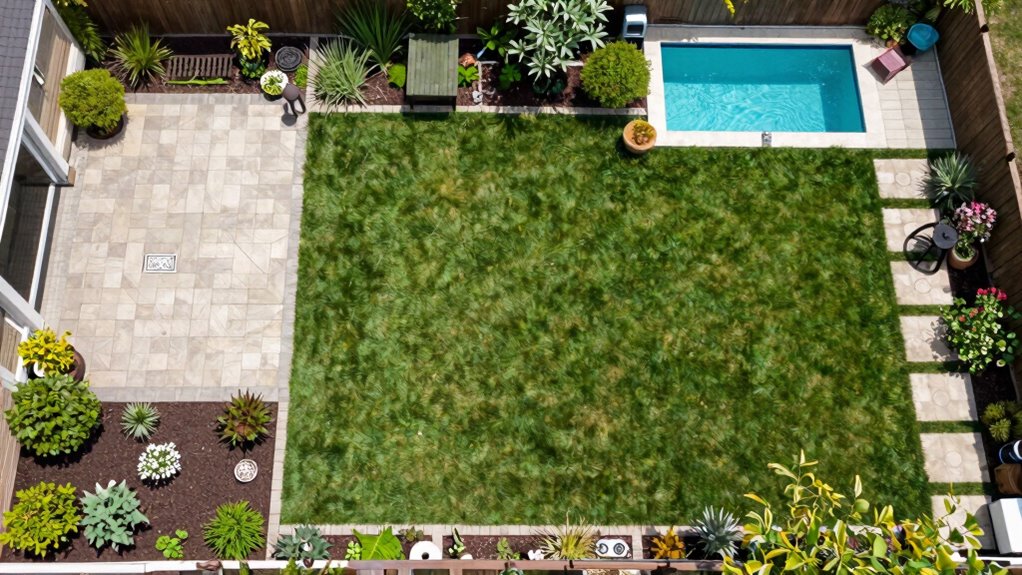
When you see a product labeled as covering “up to 3000 sq ft,” it’s natural to wonder what that actually means for your space. The label suggests a large coverage area, but in reality, that number can be misleading without considering specific factors. The advertised coverage often assumes ideal conditions—perfect application techniques, perfect surface textures, and high paint durability. However, real-world results are rarely so straightforward. Your actual coverage depends on several variables, including the type of surface you’re painting, the paint’s formulation, and your application method.
Paint durability plays a substantial role in how far a product will go. If you’re using a high-quality, resilient paint, it might require fewer coats to achieve a long-lasting finish, meaning your coverage will be closer to the upper limit. Conversely, if your paint isn’t as resilient or if you’re applying it over a rough or uneven surface, you may need additional coats, reducing overall coverage. The application techniques you employ also influence how much paint you use. Thick, uneven coats or hasty brushwork can lead to excess consumption, while careful, thin coats with proper tools tend to maximize coverage.
High-quality, durable paint requires fewer coats, maximizing coverage and ensuring long-lasting results.
It’s vital to understand that the coverage listed on the label often presumes ideal conditions—smooth, clean surfaces, proper priming, and skillful application. If you rush the job or skip preparatory steps, your coverage will drop substantially below the “up to” figure. For example, textured or porous surfaces absorb more paint, reducing the area you can cover with a given amount. Similarly, using improper tools or applying paint too thickly wastes material and diminishes coverage efficiency. Surface texture plays a crucial role in how much paint is needed for a project and can significantly affect coverage estimates. Additionally, factors like paint formulation and environmental conditions during application can impact the final coverage achieved.
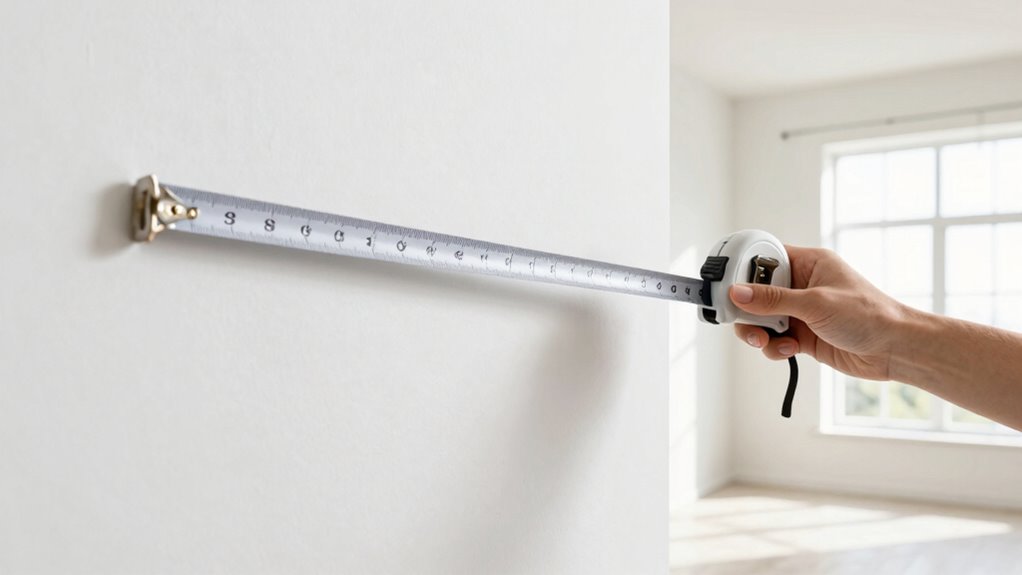
Another key point is that the “up to 3000 sq ft” claim is typically based on a single coat. Most projects require multiple coats for durability and even color, which further cuts into the total area covered. So, if you’re planning your project, don’t rely solely on the label’s number. Instead, consider the specifics of your space, surface conditions, and your painting techniques. Measure carefully, prepare surfaces properly, and apply paint in thin, even coats. Doing so ensures you get the best coverage possible and avoid running out of paint prematurely. Ultimately, that advertised coverage is a rough estimate—your actual results depend on how well you plan and execute the job. Additionally, understanding coverage efficiency can help you better gauge how much paint you’ll need for your project.
Paint Calculator
- Product Type: Paint Calculator
As an affiliate, we earn on qualifying purchases.
As an affiliate, we earn on qualifying purchases.
Frequently Asked Questions
How Accurate Is the Coverage Calculator for Different Materials?
The coverage calculator’s accuracy varies with material variations, so it might not be precise for every type. It generally provides a good estimate, but calculation precision drops when dealing with irregular surfaces or unique materials. You should always double-check with manufacturer guidelines or expert advice for specific materials. Relying solely on the calculator can lead to under- or overestimating, so consider it a helpful starting point rather than a definitive answer.
Can the Calculator Account for Furniture or Obstacles?
The coverage calculator doesn’t account for furniture interference or obstacle impact directly. When you input your space, it assumes open, unobstructed areas, so furniture and obstacles can considerably reduce actual coverage. To get a more accurate estimate, consider these factors separately. Moving or removing furniture, or factoring in obstacles, helps you better understand the true coverage, ensuring you don’t overestimate how much area the material will effectively cover.
Does Ceiling Height Affect the Coverage Estimate?
Ceiling height is like the volume knob on a stereo—higher ceilings can make a room feel larger, but they also affect coverage estimates. Room dimensions, including ceiling height, directly impact how much paint or material you’ll need. If ceilings are taller than standard, the calculator might underestimate coverage needs, so it’s wise to modify your calculations accordingly to avoid surprises and guarantee you buy enough supplies.
How Often Should Coverage Estimates Be Updated?
You should update coverage estimates whenever you change your paint or surface. Variability in coverage due to paint durability or surface texture can impact how much paint you need. Regular updates help guarantee accuracy, especially if you’re working on different projects or surfaces. By keeping estimates current, you avoid running out of paint or overbuying, saving money and ensuring a consistent, professional finish every time.
Are There Regional Differences in Coverage Calculations?
A picture is worth a thousand words, and regional differences in coverage calculations are just as vivid. You’ll find regional pricing and material variations markedly impact coverage estimates. In some areas, higher material costs or labor rates can mean less coverage for the same price. So, always consider regional factors when calculating coverage—what works in one area might not apply elsewhere, making precise estimates essential for accurate planning.

VOOMEY 360° Rotation Handle Paint Edger Trimmer with 5pcs Replace Pads
- Secure Connection: Ensures wheels stay firmly attached
- Professional Finishes: Provides crisp edges on various surfaces
- 360° Rotating Handle: Allows precise multi-directional adjustments
As an affiliate, we earn on qualifying purchases.
As an affiliate, we earn on qualifying purchases.
Conclusion
So, next time you see “up to 3000 sq ft,” don’t just picture a vast, open canvas. Think of it as a chameleon, shifting and shrinking depending on the product and your needs. This coverage calculator acts as your lighthouse, guiding you through the fog of vague claims. Armed with this knowledge, you can navigate the sea of options confidently, ensuring you’re not left stranded in the wake of misleading estimates.

LUXFINISH Surface Prep Spray Automotive – Surface Degreaser for Auto Paint Prep, Removes Wax, Oil & Dirt Without Residue, Paint-Safe Formula, Enhances Bonding for Ceramic Coating & Sealant – 150ml/5oz
- Quickly Removes Wax, Oil, and Dirt: Wipes away contaminants in minutes
- Residue-Free Surface: Leaves no streaks or film
- Enhances Coating Bonding: Improves adhesion for ceramic and sealants
As an affiliate, we earn on qualifying purchases.
As an affiliate, we earn on qualifying purchases.
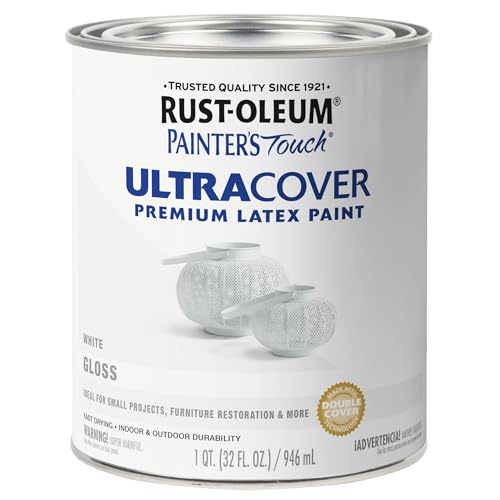
Rust-Oleum Painter's Touch Latex Brush-On Paint, Gloss White
- Versatile Surface Compatibility: Suitable for wood, metal, plaster, masonry, ceramic
- Water-Based Acrylic Formula: Low odor, chip-resistant, durable protection
- High Coverage & Fast Drying: Covers 120 sq ft, dries in 30 minutes
As an affiliate, we earn on qualifying purchases.
As an affiliate, we earn on qualifying purchases.