
TL;DR
Car maintenance has significantly changed over the decades, moving from manual, mechanic-intensive tasks to automated, computer-driven processes. This evolution impacts vehicle longevity, safety, and consumer costs.
Car maintenance practices have undergone a profound transformation over the past five decades, driven by technological innovations and evolving industry standards. These changes have altered how vehicle owners and professionals approach vehicle upkeep, impacting safety, costs, and vehicle lifespan.
In the 1970s and 1980s, car maintenance relied heavily on manual inspections, basic tools, and mechanic expertise. Routine tasks included oil changes, spark plug replacements, and brake adjustments, often requiring significant time and mechanical skill. During this period, vehicles lacked onboard diagnostics, making troubleshooting a manual process.
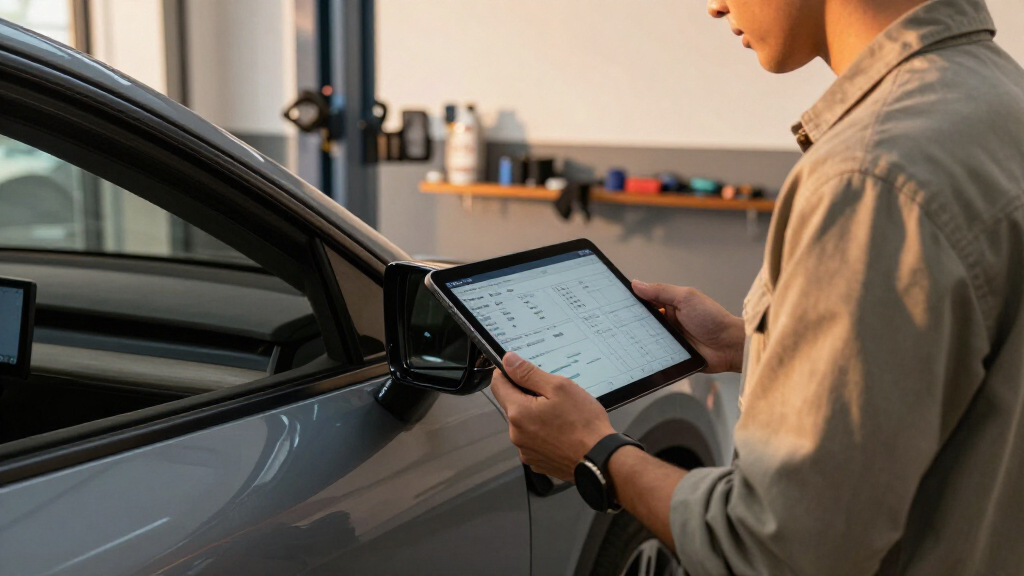
By the late 20th and early 21st centuries, the introduction of computerized systems and electronic sensors revolutionized maintenance. Onboard diagnostics (OBD) systems enabled mechanics to quickly identify issues through code reading, reducing guesswork and repair times. This shift also led to the rise of specialized diagnostic tools and training.
In recent years, advances in automotive technology, such as electric vehicles (EVs) and autonomous systems, have further changed maintenance needs. EVs require less routine maintenance—no oil changes or exhaust system repairs—and incorporate complex software updates. Additionally, remote diagnostics and over-the-air updates are becoming common, reducing the need for physical repairs.
Impacts of Technological Advances on Vehicle Maintenance
The evolution of maintenance practices influences vehicle longevity, safety, and costs for consumers. Modern diagnostics and software updates can prolong vehicle lifespan and improve safety by enabling early problem detection. However, they also raise concerns about repair costs, cybersecurity, and the need for specialized training among mechanics.
Understanding these changes helps consumers make informed decisions about vehicle care and anticipate future service requirements, especially as electric and autonomous vehicles become more prevalent.
OBD2 scanner for cars
As an affiliate, we earn on qualifying purchases.
As an affiliate, we earn on qualifying purchases.
Historical Shift from Manual to Digital Maintenance Practices
Historically, car maintenance was a manual, mechanic-driven process, with owners often performing basic upkeep or relying on local garages. The 1970s and 1980s saw the rise of standardized service intervals and the beginning of electronic systems in vehicles.
The late 20th century marked a turning point with the advent of onboard diagnostics, which became standard in the 1990s following government regulations. This technological shift accelerated the move toward computer-based diagnostics and specialized repair shops.
Today, electric vehicles and connected car technologies are pushing maintenance further into software territory, with remote diagnostics and automatic updates becoming routine. The industry continues to adapt, with ongoing innovations shaping future practices.
“Electric vehicles require far less routine maintenance, which is a game-changer for both consumers and repair shops.”
— Mike Johnson, Certified Mechanic
auto diagnostic tool
As an affiliate, we earn on qualifying purchases.
As an affiliate, we earn on qualifying purchases.
Unresolved Questions About Future Maintenance Trends
It is not yet clear how widespread adoption of autonomous vehicles will further alter maintenance needs, or how cybersecurity concerns related to connected systems might impact repair practices. Additionally, the long-term durability of new technologies remains to be fully understood.
electric vehicle maintenance kit
As an affiliate, we earn on qualifying purchases.
As an affiliate, we earn on qualifying purchases.
Emerging Technologies and Industry Adaptations
The industry is expected to see continued growth in remote diagnostics, over-the-air updates, and AI-driven maintenance scheduling. Mechanics and service providers will likely need new training to handle increasingly complex software and electronic systems. The shift toward electric and autonomous vehicles will further redefine maintenance standards over the next decade.
remote car diagnostic device
As an affiliate, we earn on qualifying purchases.
As an affiliate, we earn on qualifying purchases.
Key Questions
How has vehicle maintenance changed since the 1970s?
Maintenance has shifted from manual, mechanic-intensive tasks to digital diagnostics and software-based repairs, reducing time and increasing precision.
What are the main benefits of modern maintenance practices?
Faster diagnostics, early problem detection, longer vehicle lifespan, and the ability to perform remote updates are key benefits.
Will electric vehicles eliminate most traditional maintenance tasks?
Yes, EVs generally require less routine maintenance, such as oil changes and exhaust repairs, but they introduce new needs like software updates and electrical system checks.
What challenges do connected and autonomous vehicles pose for maintenance?
They raise cybersecurity concerns, require specialized training for mechanics, and may lead to new repair and diagnostic procedures.
How soon will these technological changes impact all vehicle owners?
Many changes are already in effect, with full adoption of electric and autonomous vehicles expected over the next 10-20 years.
Source: rss