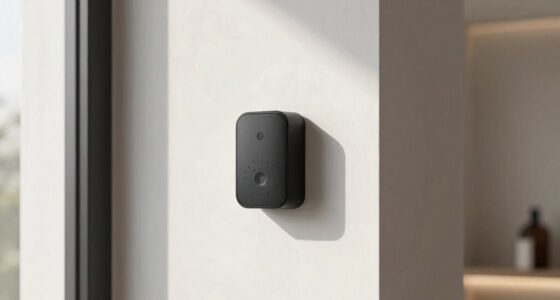
When your device first turns on, the sensor needs a moment to warm up and reach its ideal operating temperature. During this time, the image stabilization systems and sensors settle, which can cause blurry images or shaky videos initially. This process is normal and helps improve overall accuracy and image quality once complete. If you stay patient, you’ll see clearer, steadier results soon after. Keep exploring to learn more about why this happens and how to get the best out of your device.

Get home appliances delivered free with Prime
- Fast, free delivery on millions of items
- Prime Video, Amazon Music and more included
- Member-only deals all year
Key Takeaways
- Sensors need time to reach optimal temperature for accurate measurements, causing initial instability.
- Warm-up ensures stabilization of gyroscopic and stabilization systems, reducing shaky images.
- Early blurry or shaky images are normal during the warm-up phase, not device malfunctions.
- Proper warm-up improves calibration, resulting in sharper, more consistent photos and videos.
- Patience during warm-up enhances overall device performance and image quality.
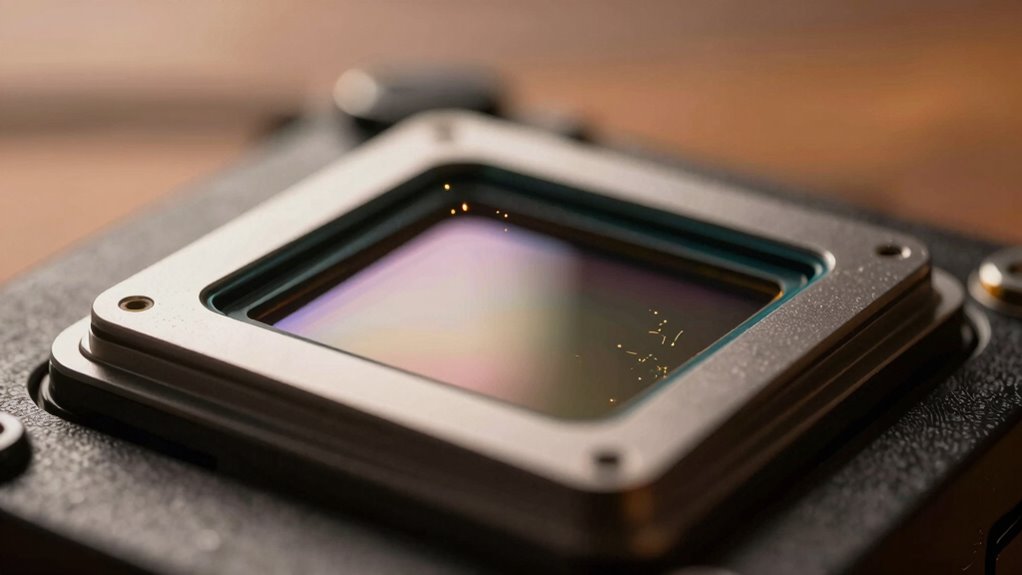
Sensor warm-up helps the device reach its optimal operating state, ensuring accurate and consistent measurements from the start. This process is crucial for maintaining the sensor’s accuracy, which can be affected if the device is used before stabilization. A proper warm-up also allows the device’s internal components to reach their intended operating temperatures, which is essential for sensor calibration** and overall device performance. Image stabilization is another critical factor that benefits from this warm-up period. When you first start using a camera or smartphone, the image stabilization system may seem less effective. This is because the stabilization algorithms and gyroscopic sensors need a few moments to settle into their best working state. Once warmed up, these systems can better detect subtle movements, reducing shake and producing clearer images, especially in low-light conditions or when using zoom. The stabilization process depends heavily on the sensor’s ability to quickly adapt to rapid movements, which requires a brief period of calibration and internal data processing**.
Many users notice that their devices seem to “shake” or produce unstable images initially, but this is normal. The sensor, whether it’s a camera sensor or an environmental sensor, needs time to reach its operational baseline. This warm-up period allows for more precise camera calibration, which in turn enhances image quality, color fidelity, and focus accuracy. As the sensor stabilizes, you’ll find that the images become sharper and more consistent, with less noise or distortion. This is particularly noticeable when shooting videos or capturing fast-moving subjects, where stabilization plays a crucial role.
In essence, understanding the sensor’s warm-up period helps you set realistic expectations. That initial fuzziness or instability isn’t a flaw but a natural part of the process. Once the sensor warms up and calibrates itself, it delivers the high-quality, stable images and measurements you expect. Whether you’re snapping photos or relying on sensor data to guide your decisions, patience during this warm-up phase leads to better overall results. Recognizing this can save you frustration and help you appreciate the sophisticated processes working behind the scenes in your devices.
Products Worth Considering

Philips Hue Play Gradient Light Tube, Large, Black

Shark PowerPro Reveal Plus Cordless Stick Vacuum, Charcoal (IZ376H)

Levoit Vital 100S-P Air Purifier with Washable Pre-Filter
As an affiliate, we earn on qualifying purchases.
Frequently Asked Questions
How Long Does a Typical Sensor Warm-Up Period Last?
A typical sensor warm-up period lasts about 15 to 30 minutes. During this time, you should avoid calibration procedures, as they might be inaccurate until the sensor stabilizes. Keep in mind, a proper warm-up helps extend the sensor lifespan and guarantees dependable readings. Rushing this process can lead to strange first impressions or false data, so give your sensor enough time to reach ideal performance before use.
Do All Sensors Require a Warm-Up Time Before Use?
Not all sensors demand a warm-up, but many do, because apparently, they enjoy a little spa day before calibration. During this period, they stabilize data, ensuring accuracy. If you skip this step, you risk flaky readings or, worse, false alarms. So, yes, some sensors require warm-up time; it’s their way of saying, “Give me a moment to get my data stability groove on.”
Can Warm-Up Periods Affect Sensor Accuracy Permanently?
Warm-up periods don’t permanently affect sensor accuracy, but skipping proper warm-up can lead to calibration issues that temporarily skew readings. Over time, insufficient warm-up might reduce sensor lifespan if it causes frequent calibration errors or stress on components. To keep sensors performing at their best, always follow recommended warm-up procedures, ensuring accurate measurements and extending the sensor’s effective lifespan. Proper warm-up helps maintain both accuracy and longevity.
Are There Ways to Reduce Sensor Warm-Up Time?
Yes, you can reduce sensor warm-up time by optimizing sensor calibration routines and managing power consumption effectively. Switching to low-power modes during startup helps minimize warm-up duration, while precise calibration ensures quicker stabilization. Additionally, using high-quality sensors designed for rapid warm-up can cut down initial delays. These strategies allow you to get accurate readings faster, improving overall sensor performance without sacrificing reliability or increasing energy use unnecessarily.
What Environmental Factors Influence Sensor Warm-Up Durations?
Environmental factors like temperature stability greatly influence sensor warm-up durations. Fluctuating or unstable temperatures prolong calibration procedures, delaying ideal sensor performance. You should maintain a stable environment to help sensors reach their calibration state faster. Sudden temperature changes can cause inaccuracies during warm-up, so controlling ambient conditions ensures quicker stabilization. By managing temperature stability, you minimize warm-up time and improve measurement accuracy right from the start.
Conclusion
So, next time your camera or device acts weird at startup, remember it’s just your sensor’s way of stretching and waking up. Think of it as a sleepy friend finally opening their eyes—things settle down once it’s fully alert. Patience is key, because those initial oddities are just your sensor warming up, ready to perform at its best. Once it’s fully awake, you’ll see clearer, sharper results—like a sunrise breaking through the clouds.