Adding a DIY crawl space check to your spring home list is a smart move. It helps you spot issues like excess moisture, pests, or structural problems early, preventing costly repairs later. Warmer weather makes it easier to access and inspect safely. By staying proactive, you keep your home healthier and more energy-efficient. If you want to discover simple tips to make this check easier and more effective, keep going—you’re about to learn more.

Get home appliances delivered free with Prime
- Fast, free delivery on millions of items
- Prime Video, Amazon Music and more included
- Member-only deals all year
Key Takeaways
- Early detection of moisture, mold, and pests prevents costly repairs and maintains a healthy home environment.
- Spring inspections are easier and more effective due to warmer weather and accessible crawl space conditions.
- Regular checks help identify structural issues early, reducing long-term foundation and support problems.
- Ensuring proper ventilation and sealing reduces indoor humidity and discourages pest infestations.
- Incorporating DIY inspections into spring home routines promotes proactive maintenance and overall home health.
If you’re concerned about the condition of your home’s foundation or indoor air quality, performing a DIY crawl space check is a smart first step. Your crawl space plays a vital role in maintaining a healthy, safe home, especially during spring when humidity levels rise. Checking it yourself can reveal issues like excess moisture, pests, or structural damage before they turn into costly repairs. Spring is a perfect time to incorporate this task into your home maintenance list, as warmer weather makes access easier and conditions more predictable.
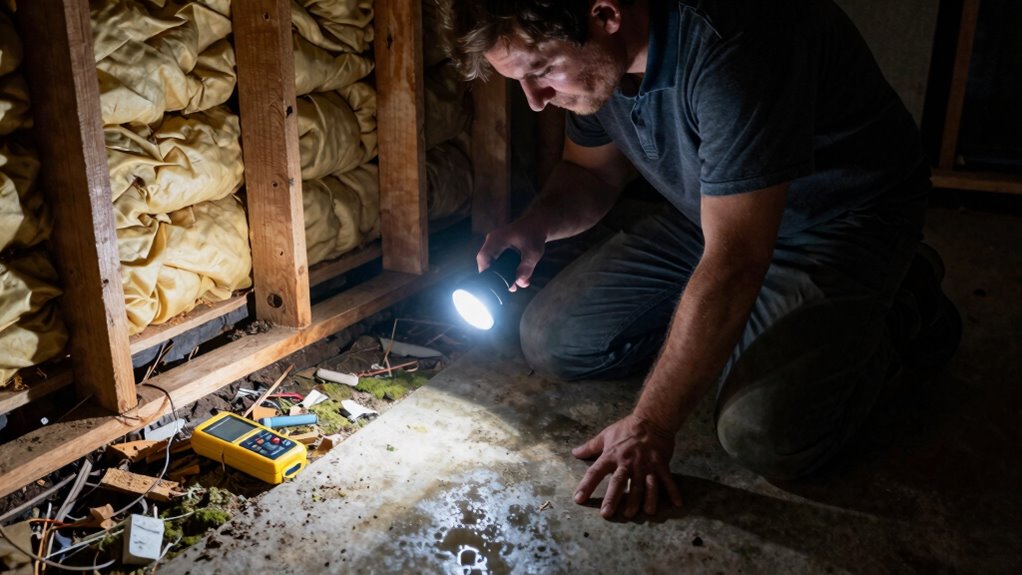
Start by getting down on your hands and knees and inspecting the crawl space entrance. Look for signs of water intrusion, such as damp patches, standing water, or mold growth. Moisture control is critical because excess humidity can lead to wood rot, mold, and even compromise your home’s foundation over time. If you notice wet spots or a musty smell, it’s a sign that you need to improve ventilation or consider installing a vapor barrier. A properly sealed and insulated crawl space helps regulate humidity levels, protecting your home from moisture-related issues and maintaining better indoor air quality. Regular inspections also help you stay aware of how conditions fluctuate with changing weather patterns, which can impact your home’s overall stability.
Check for water, mold, and dampness to prevent moisture damage and improve indoor air quality.
While you’re down there, keep an eye out for pests. Rodents, insects, and other critters often invade crawl spaces to find shelter or food. Chewed wiring, droppings, or nests are clear indicators of pest activity. Pest prevention is crucial because pests can cause significant damage, pose health risks, and even compromise the structural integrity of your home. Seal any gaps or holes you find, and consider installing pest-proof barriers to keep unwanted visitors out. Regular inspections help you catch infestations early, preventing the need for costly exterminations or repairs. Additionally, understanding the importance of proper ventilation can help in controlling moisture and discouraging pest entry. Proper airflow not only reduces moisture buildup but also helps eliminate indoor air pollutants, contributing to healthier indoor environments. Improving ventilation systems can be an effective step in maintaining a balanced crawl space environment.
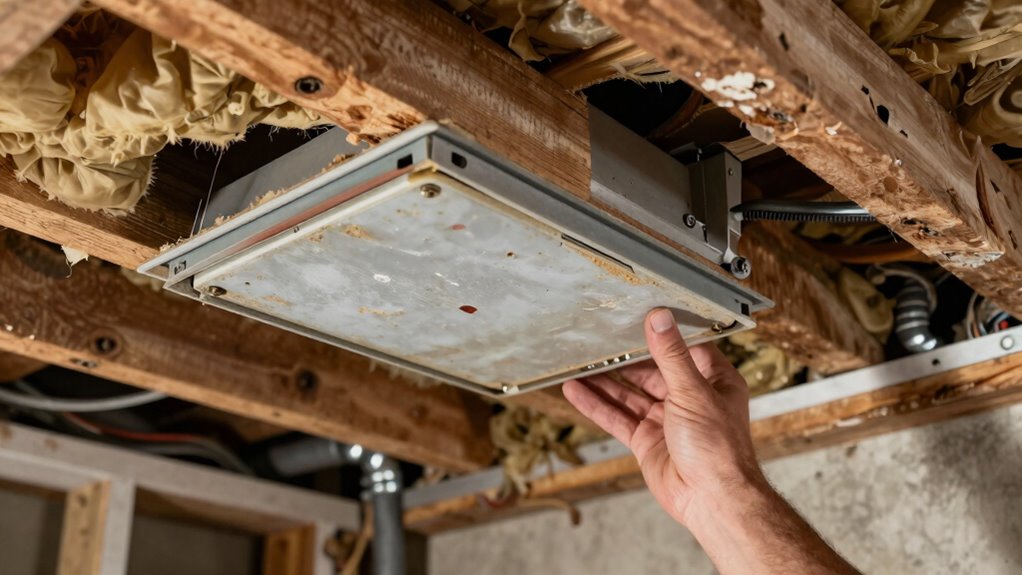
Checking the condition of support beams, joists, and the foundation walls is essential, as structural integrity can be compromised over time if issues are left unaddressed. Look for cracks, sagging, or signs of shifting. If you spot anything suspicious, it might be time to call in a professional. Doing your own assessment allows you to identify potential problems early, saving you money and stress in the long run. Remember, a healthy crawl space isn’t just about avoiding damage; it also contributes directly to better indoor air quality, reducing allergens and pollutants that can seep into your living areas. Keeping informed about industry insights can help you understand the importance of early detection and maintenance strategies for your home’s foundation.
Products Worth Considering

Philips Hue Play Floor Lamp, RGBWWIC LED, 53 Inch, Black

Sonos Era 100 Wireless Smart Speaker, White

Philips Hue Bridge Pro Smart Lighting Hub, 1-Pack
As an affiliate, we earn on qualifying purchases.
Frequently Asked Questions
How Often Should I Inspect My Crawl Space?
You should inspect your crawl space at least once a year, ideally in spring. During your check, focus on indoor humidity levels and look for signs of pests or moisture issues. Controlling indoor humidity helps prevent mold and pest infestations. Regular inspections allow you to catch problems early, maintain a healthy home environment, and guarantee your crawl space stays dry and pest-free throughout the year.
What Tools Are Necessary for a DIY Crawl Space Check?
Think of your crawl space tools as your first line of defense—like a trusty shield. You’ll need a flashlight for visibility, a moisture meter to monitor moisture control, and a screwdriver to check for pests or damage. A camera or smartphone can document issues. I once caught a pest infestation early with these tools, preventing major damage. Regular checks help prevent costly repairs and keep your home safe from pests and moisture problems.
Can I Access My Crawl Space Without Professional Help?
Yes, you can access your crawl space without professional help if you take precautions. Before entering, guarantee proper ventilation concerns and moisture control measures are in place to prevent mold or damage. Wear protective gear like a dust mask, gloves, and sturdy clothing. Check for signs of pests or structural issues, and be cautious of uneven surfaces. Regular inspections help maintain a healthy, safe crawl space environment.
What Signs Indicate a Crawl Space Needs Repairs?
You’ll notice signs like excess moisture, mold, or a damp smell indicating your crawl space needs repairs. Look for pest infestations such as droppings or gnaw marks, which suggest pest problems. Proper moisture control is essential to guarantee wood rot and mold growth. Address these issues promptly to ensure pest prevention and maintain a healthy home environment, saving you money and future headaches.
Is It Safe to Enter a Crawl Space Alone?
In the age of chivalry, safety always came first, and the same applies now. It’s not safe to enter a crawl space alone, especially if you suspect ventilation issues or pests. Poor ventilation can cause harmful mold, while pests can bite or spread disease. Always bring a flashlight, wear protective gear, and consider having someone nearby or informing someone of your plans. Better safe than sorry in such tight, potentially hazardous spaces.
Conclusion
By doing a quick crawl space check this spring, you can catch issues before they turn costly. Imagine noticing moisture and mold early—like Sarah did last year—saving her from expensive repairs later. Taking a little time now keeps your home healthier and your wallet happier. So, grab a flashlight, get down there, and give your crawl space a once-over. It’s a simple step that can make a big difference all year round.