Implementing a well-organized mudroom shoe routine can greatly cut down on indoor allergens, improving air quality more than you might expect. By removing shoes immediately and choosing materials like leather or rubber, you trap fewer allergens. Regularly cleaning and drying shoes prevents allergen buildup, while shoe racks and cleaning stations keep everything contained. Adding ventilation tools like air purifiers helps disperse airborne particles. Keep going to discover more ways to make your indoor environment healthier.
Key Takeaways
- Proper shoe storage and immediate removal prevent allergens from spreading inside the home.
- Regular cleaning and maintenance of shoes reduce allergen buildup significantly.
- Choosing natural or rubber shoes minimizes allergen transfer compared to fabric or mesh footwear.
- Using ventilation and air purifiers disperses airborne allergens, complementing shoe routines.
- Incorporating routine shoe cleaning stations encourages consistent allergen-reducing habits.

A well-organized mudroom shoe routine can make your mornings smoother and keep your home cleaner. But it’s also more effective than you might realize at reducing the number of allergens that circulate in your living space. When you establish a dedicated spot for shoes and develop a consistent routine, you’re taking a key step toward improving indoor air quality and minimizing allergens brought in from outside. Shoes can carry pollen, dust, mold spores, and other irritants that, if left unchecked, get tracked into your home and settle on floors, carpets, and furniture. Over time, these particles can aggravate allergies and respiratory issues.
One of the most impactful choices you can make is selecting footwear material wisely. Shoes made from natural materials like leather or rubber tend to trap fewer allergens compared to fabric or mesh shoes, which can absorb and harbor dust and mold. When you choose footwear material choices carefully, you reduce the likelihood of allergens being carried inside with each step. Regularly cleaning and drying your shoes also plays a vital role, especially for fabric shoes that are more prone to trapping dust and mold. Proper shoe maintenance can significantly decrease allergen buildup, further enhancing indoor air quality. Additionally, understanding the types of allergens commonly found on shoes can help you select more effective cleaning methods and footwear choices. By doing so, you break the cycle of allergens being transferred indoors, which can substantially improve indoor air quality over time.
Establishing a routine where you remove shoes immediately upon entering and store them properly prevents allergens from spreading in your home. Using a shoe rack or cubbies keeps shoes contained and off the floor, limiting the chances for dust and pollen to become airborne again when you walk around. Adding a shoe-cleaning station—like a brush or wipe—encourages you to clean shoes before storing them, further reducing allergen transfer. Moreover, incorporating ventilation techniques such as opening windows or using air purifiers can further help in reducing airborne allergens inside your home. Proper air circulation not only disperses indoor pollutants but also helps in drying shoes more quickly, preventing mold growth. In turn, this routine guarantees that fewer irritants are released into the air, creating a healthier environment for everyone, especially those who suffer from allergies or asthma.
Consistently following this routine also helps maintain the quality of indoor air. When shoes are kept clean and stored properly, fewer particles are kicked up with each step. This directly impacts indoor air quality by decreasing airborne allergens and irritants. Over time, this can lead to fewer allergy symptoms, better respiratory health, and a more comfortable home environment. The key is regularity—by making shoe removal and cleaning a habit, you actively control the entry points for allergens. Your proactive approach not only keeps your home cleaner but also fosters a healthier, allergen-reduced indoor space that benefits everyone living there.

Kitsure Shoe Rack – Non-Woven Shoe Rack Shelf, Shoe Organizer for Closet, Entryway, Garage & Corridor, Stackable Shoe Shelves, 27.5" Wide – 3 Tier, Black
- Spacious Storage Capacity: Holds sneakers, heels, slippers
- Durable Material: Metal tubes with plastic frames
- Dust-Resistant Shelves: Non-woven fabric protects footwear
As an affiliate, we earn on qualifying purchases.
As an affiliate, we earn on qualifying purchases.
Frequently Asked Questions
Can a Mudroom Shoe Routine Improve Indoor Air Quality?
Yes, a mudroom shoe routine can improve indoor air quality by reducing the amount of outdoor allergens tracked inside. When you remove shoes in the mudroom, you prevent dirt, pollen, and other allergens from spreading through your home. This helps control indoor air quality, making it easier to breathe and creating a healthier environment. Consistently cleaning and maintaining your mudroom enhances allergen control, benefiting everyone’s respiratory health indoors.
How Often Should I Sanitize Mudroom Shoe Storage?
You should sanitize your mudroom shoe storage weekly, especially if you have kids or pets. Focus on cleaning surfaces and disinfecting shoe racks made of materials like plastic or metal, which are easier to sanitize. Proper storage organization, such as using designated bins or shelves, helps prevent dirt and allergens from spreading. Regular cleaning keeps your mudroom hygienic, reduces allergens, and maintains a healthier indoor environment.
Are There Eco-Friendly Options for Shoe Cleaning?
You can opt for eco-friendly cleaning options like vinegar-based solutions or biodegradable wipes, which are gentle yet effective. Imagine a family switching to sustainable materials for shoe cleaning, reducing plastic waste and harmful chemicals. These choices not only keep your shoes spotless but also support environmental health. Eco-friendly cleaning methods are safer for your home and the planet, making them a smart, sustainable choice for maintaining your mudroom shoes.
Do Shoe Materials Affect Allergen Buildup?
Shoe material definitely influences allergen buildup. For instance, fabric shoes tend to trap more dust, pollen, and pet dander because their porous surfaces hold onto allergens better. Leather or synthetic materials are easier to clean and typically accumulate fewer allergens. Regularly wiping or vacuuming shoes made from different materials helps reduce allergen buildup, making your home healthier. Choosing shoes with smooth, non-porous surfaces can also minimize allergen accumulation over time.
Can a Mudroom Routine Reduce Pet Allergen Spread?
Yes, a mudroom routine can considerably reduce pet allergen spread. By practicing good shoe hygiene, you prevent tracking pet dander and other allergens into your home. Removing shoes in the mudroom minimizes pet dander on footwear, decreasing allergens that settle on floors and furniture. Regularly cleaning the mudroom and shoes further helps control allergen buildup, making your space safer and more comfortable for allergy sufferers.
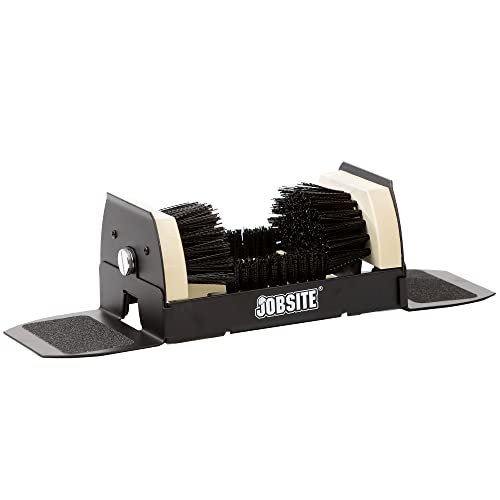
Jobsite Boot Scrubber – Outdoor Shoe Scraper Cleaner Brush – Extra Wide
- No Mounting Needed: Stable without bolting down
- Extra Wide Design: Fits large boots easily
- Durable Construction: Weather-resistant high-density plastic and metal frame
As an affiliate, we earn on qualifying purchases.
As an affiliate, we earn on qualifying purchases.
Conclusion
So, next time you skip the mudroom shoe routine, just remember—you’re practically inviting allergens into your home. Ironically, a simple step like removing shoes can save you from sneezing fits and allergy attacks. It’s funny how something so small can make such a big difference. So, embrace the mudroom ritual—you might just enjoy breathing easier and avoiding those pesky allergens you didn’t even realize you were welcoming inside!

MOOKA Air Purifiers for Home Large Room up to 1076ft², H13 True HEPA Air Filter Cleaner, Odor Eliminator, Remove Smoke Dust Pollen Pet Dander, Night Light, B-D02L White
- Large Coverage Area: Covers up to 1076 ft² with 6 air changes/hr
- Effective Filtration System: Captures pet dander, smoke, odors, dust, pollen
- H13 True HEPA Filter: Removes airborne particles as small as 0.3 microns
As an affiliate, we earn on qualifying purchases.
As an affiliate, we earn on qualifying purchases.

UNIKSTEP 6 Pairs (12 Pieces) Shoe Sole Non Slip Pads, Anti Skid Self Adhesive Rubber Grips, Shoe Bottom Front Sole and Heel Noise Reduction Protector Cushions (Khaki with Wave Pattern)
- Anti-slip Performance: Enhances shoe grip and reduces slipping
- Premium Rubber Material: Durable, odorless, high abrasion resistance
- Self-adhesive Design: Easy to apply on shoe soles and heels
As an affiliate, we earn on qualifying purchases.
As an affiliate, we earn on qualifying purchases.