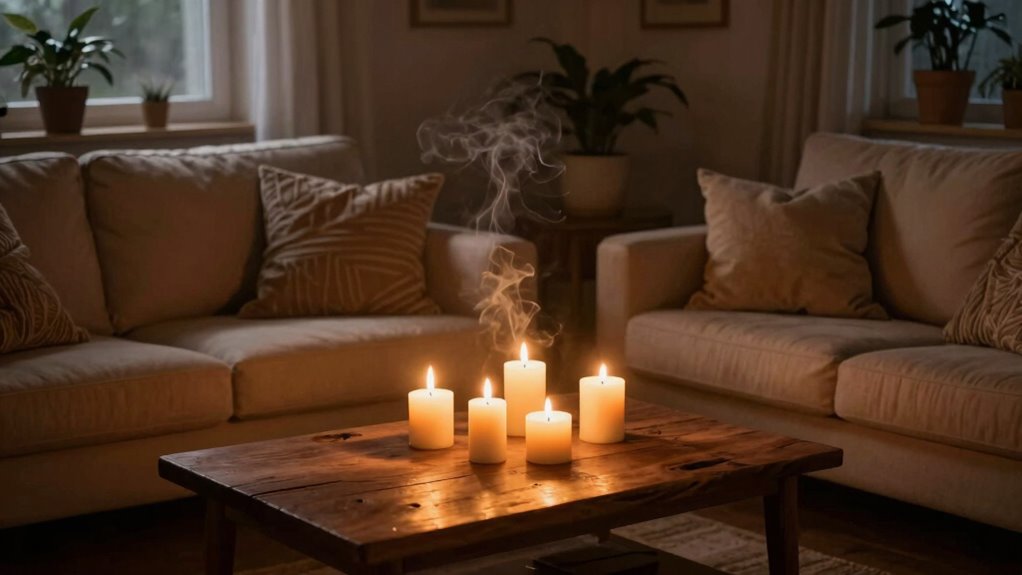

If you burn candles often indoors, you might be surprised at how much they can worsen your indoor air quality and cause irritation. Candles release particles, VOCs, and synthetic fragrances that can irritate your skin, eyes, and respiratory system. Without proper ventilation, these pollutants build up and make you feel unwell. To keep your air cleaner and healthier, it’s important to understand how different candles and ventilation impact your space—there’s more to discover if you keep exploring.
Key Takeaways
- Frequent candle burning releases particles and VOCs that can accumulate indoors, causing irritation over time.
- Poor ventilation in candle-heavy homes prevents proper air exchange, increasing irritant buildup.
- Scented candles emit synthetic fragrances and chemicals, which can irritate the respiratory system.
- Continuous exposure to candle emissions without adequate airflow can lead to headaches, sore throats, and itchy eyes.
- Choosing safer, fragrance-free candles and ensuring proper ventilation helps reduce indoor air irritation.
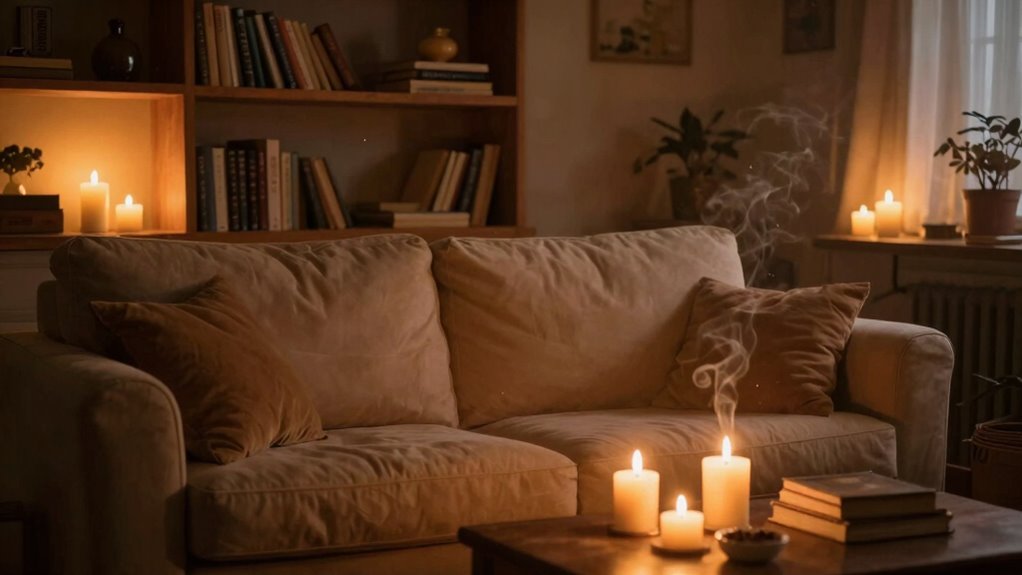
Many homes that are filled with candles can unintentionally contribute to indoor irritation, especially if you burn them frequently or without proper ventilation. While candles often create a cozy atmosphere, they also release particles and volatile organic compounds into the air. These substances can compromise indoor air quality, leading to discomfort or health issues over time. Even if you love the scent they provide, it’s important to understand how candle use impacts air purification and scent exposure.
When candles burn, they emit tiny particulate matter and chemicals that can linger in the air. If your home lacks sufficient ventilation, these particles accumulate, reducing air quality and making it harder for your body to filter out irritants. This buildup can cause symptoms like headaches, sore throats, or itchy eyes, especially for those with sensitivities or allergies. Regular candle burning without fresh air exchange hampers your body’s natural ability to clear out airborne pollutants, leading to persistent irritation. Proper ventilation plays a crucial role in mitigating these effects and maintaining healthier indoor air.
Scent exposure from candles may seem harmless or even pleasant, but it can actually be a source of indoor irritation if you’re exposed to it excessively. Many scented candles contain synthetic fragrances and chemicals that, when burned, release volatile organic compounds (VOCs). These VOCs can irritate your respiratory system, particularly in poorly ventilated spaces. If you notice congestion, coughing, or nasal irritation after burning candles, it’s a sign that your indoor environment may need better air purification strategies. Additionally, air quality can be significantly affected by continuous candle use, impacting overall health. Being aware of how different types of candles emit varying levels of pollutants can help you make safer choices for your home.

Air Purifiers for Home Large Room, Cover Up to 2400 Ft² with True HEPA Filter, Smart Mode, PM2.5 Air Quality Display, 22dB Sleep Mode, Aromatherapy with 2X-Purification & 360°Air Outlet, HAP603
【𝟐𝐗 𝐏𝐨𝐰𝐞𝐫 𝐅𝐢𝐥𝐭𝐫𝐚𝐭𝐢𝐨𝐧 𝐟𝐨𝐫 𝐋𝐚𝐫𝐠𝐞 𝐑𝐨𝐨𝐦𝐬】 The 2X-Power Filtration system purifies the air twice per hour for large…
As an affiliate, we earn on qualifying purchases.
As an affiliate, we earn on qualifying purchases.
Frequently Asked Questions
How Many Candles Are Considered “Candle-Heavy”?
You’re considered “candle-heavy” if you burn more than three to four candles simultaneously regularly. To avoid indoor irritation, focus on proper candle placement and maintenance. Keep candles away from drafts, curtains, and vents, and trim wicks regularly for cleaner burn. This way, you can enjoy candles without increasing indoor pollutants. Moderation and good candle habits help minimize indoor irritation, making your home more comfortable and healthier.
Do Candle Scents Affect Indoor Air Quality?
Like a painter layering colors, your candle scents can influence indoor air quality. They release volatile organic compounds (VOCs) that may irritate your respiratory system, especially in candle-heavy homes. To guarantee aromatherapy safety, use candles with natural scents and avoid excessive layering of fragrances. Ventilate your space regularly and opt for soy or beeswax candles to minimize indoor pollution, creating a healthier environment for you and your loved ones.
Are There Safer Candle Alternatives for Sensitive Individuals?
If you’re sensitive, consider safer candle alternatives like those made from natural waxes such as beeswax or soy, which produce less soot and fewer irritants. You can also opt for candles infused with essential oils instead of synthetic fragrances, as they tend to be gentler on your respiratory system. Always guarantee proper ventilation and trim wicks to reduce indoor irritation, creating a healthier environment for you and your family.
How Long Should Candles Be Burned to Avoid Irritation?
Did you know that burning candles for more than two hours can substantially decrease indoor air quality? To minimize irritation, stick to candle safety by limiting burns to two-hour sessions and ensuring proper ventilation. This helps reduce soot and airborne pollutants. Incorporate air quality tips like opening windows or using air purifiers after lighting candles. Shorter burns help you enjoy the ambiance without compromising your indoor environment.
Can Candle Types Influence Indoor Air Pollution Levels?
Yes, candle types influence indoor air pollution levels. Candle material, like paraffin, soy, or beeswax, releases different pollutants when burned. Paraffin candles often produce more soot and volatile organic compounds, while soy and beeswax tend to burn cleaner. Burn duration also matters; burning candles too long increases the release of pollutants. To minimize irritation, choose cleaner candle materials and limit burn time to avoid indoor air contamination.
unscented candles
As an affiliate, we earn on qualifying purchases.
As an affiliate, we earn on qualifying purchases.
Conclusion
You might think candles add cozy ambiance, but they can also introduce indoor irritants that affect your health. While some believe candles are harmless, studies suggest that frequent use can increase indoor air pollution and trigger allergies or respiratory issues. So, next time you light a candle, consider the potential impact on your home environment. Balancing candle use with good ventilation may be the key to enjoying the glow without the unwanted irritation.
ventilation fans for home
As an affiliate, we earn on qualifying purchases.
As an affiliate, we earn on qualifying purchases.
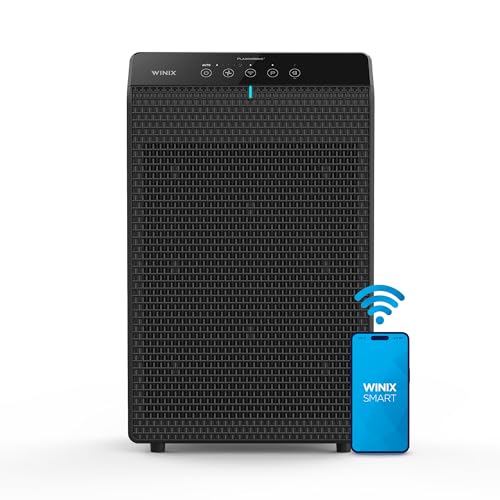
WINIX 5520 Air Purifier for Home Large Room Up to 1882 Ft² in 1 Hr With Air Quality Monitor, True HEPA, High Deodorization Carbon Filter and Auto Mode, Captures Pet Allergies, Smoke, Dust.
𝐀𝐇𝐀𝐌 𝐕𝐞𝐫𝐢𝐟𝐢𝐝𝐞 𝐚𝐭 𝟑92 𝐬𝐪 𝐟𝐭.: Also cleans rooms up to 1,882 sq ft in 1 hour (941…
As an affiliate, we earn on qualifying purchases.
As an affiliate, we earn on qualifying purchases.