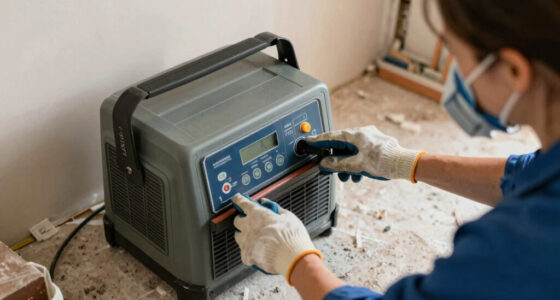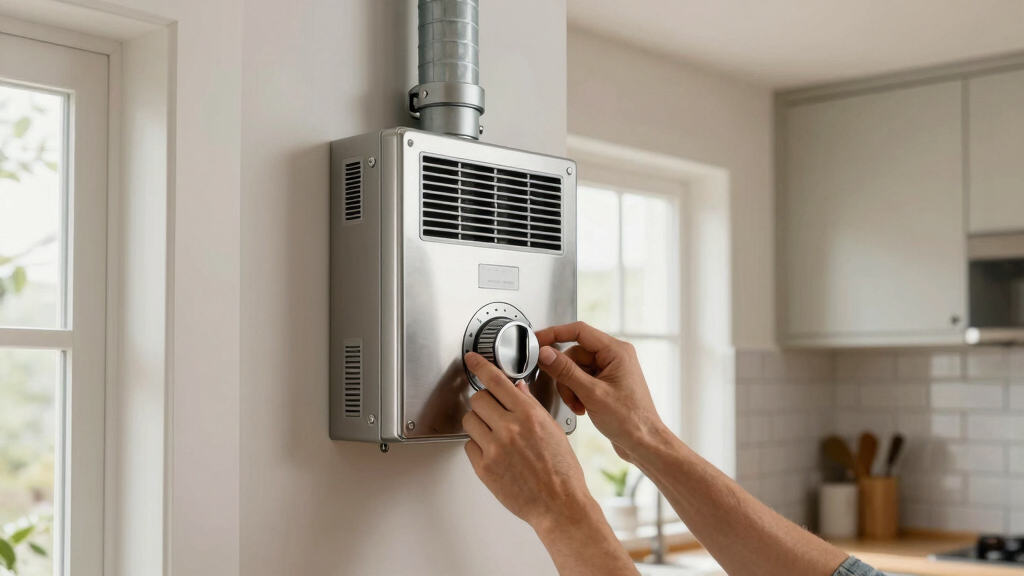

Finding the best energy recovery ventilator (ERV) for your house involves balancing efficiency, installation complexity, and cost. The Pioneer ECOasis 150 stands out as the best overall choice due to its ductless design and smart Wi-Fi features, making it suitable for most homes. The Aprilaire V22BEC offers high capacity for larger spaces, while the Panasonic FV-12ESC1 provides excellent energy efficiency with advanced controls. Buyers face tradeoffs between system complexity, upfront investment, and ongoing maintenance. Keep reading to find out which ERV best fits your home and budget.

Get home appliances delivered free with Prime
- Fast, free delivery on millions of items
- Prime Video, Amazon Music and more included
- Member-only deals all year
Complete the kit



Key Takeaways
- The Pioneer ECOasis 150 excels in ease of installation and smart home integration, ideal for DIY enthusiasts.
- Aprilaire V22BEC is best suited for large homes needing high airflow and robust ventilation.
- Panasonic models stand out for energy efficiency and quiet operation, perfect for bedrooms or living areas.
- Compact systems like the Panasonic FV-06VE1 are great for smaller spaces but may lack capacity for larger homes.
- Price often correlates with features; premium models offer better controls and efficiency, but budget options still deliver reliable ventilation.
| Pioneer ECOasis 150 Ductless Wall-Mounted Single-Room Wi-Fi Energy Recovery Ventilator |  | Best for Smart, Room-Level Ventilation in Small Spaces | Coverage Area: up to 500 sq. ft. | Filtration System: HEPA & Activated Charcoal filters | Energy Recovery Efficiency: 82% | VIEW LATEST PRICE | See Our Full Breakdown |
| Aprilaire V22BEC Energy Recovery Ventilator (ERV), 120 CFM for Homes up to 6,000 sq. ft. |  | Best for Large Homes and Whole-House Ventilation | Airflow: 120 CFM | Suitable for: up to 6,000 sq. ft. | Mounting Options: Wall, Ceiling, Floor | VIEW LATEST PRICE | See Our Full Breakdown |
| Panasonic FV-12ESC1 Intelli-Balance Elite Plus ERV, 120 CFM |  | Best for Quiet, Smart, Flexible Installation | Power Source: AC/DC | Room Type: Bathroom | Special Features: Manual, smart controls | VIEW LATEST PRICE | See Our Full Breakdown |
| VENTS-US Frigate ERV 120s Energy Recovery Ventilator |  | Best for Cold Climates and Whole-House Air Quality | Power Connector Type: 3-Pin | Voltage: 120 volts | Wattage: 94 watts | VIEW LATEST PRICE | See Our Full Breakdown |
| Panasonic WhisperComfort 60 Energy Recovery Ventilator (ERV), Wall/Ceiling Mount Exhaust Fan, FV-06VE1 | 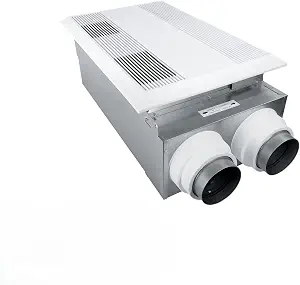 | Best for Budget-Friendly, Compact Ventilation | Power Source: Corded Electric | Room Type: Bathroom, Garage, Laundry | Special Features: Manual, selectable CFM | VIEW LATEST PRICE | See Our Full Breakdown |
| Awoco 6” Vent Energy Recovery Ventilator (ERV) System with Control Panel, Various Speeds, 100 CFM |  | Best for Attic Space Ventilation and Easy Operation | Power Source: AC | Room Type: Attic | Special Features: Energy Recovery Ventilation, Control Panel, Variable Speeds, Washable Filters | VIEW LATEST PRICE | See Our Full Breakdown |
| Panasonic FV-11ES1 Intelli-Balance Elite ERV, 110 CFM | | Best Indoor ERV with Smart Features and Flexible Mounting | Power Source: AC | Room Type: Bathroom | Special Features: Manual, Remote, Touch Controls | VIEW LATEST PRICE | See Our Full Breakdown |
| energy recovery ventilator for house | Noise Level | Power Source | Room Type | Special Features |
|---|---|---|---|---|
| Pioneer ECOasis 150 Ductless W | 23-37.9 dB(A) | — | — | — |
| Aprilaire V22BEC Energy Recove | — | — | — | — |
| Panasonic FV-12ESC1 Intelli-Ba | — | AC/DC | Bathroom | Manual, smart controls |
| VENTS-US Frigate ERV 120s Ener | — | — | — | — |
| Panasonic WhisperComfort 60 En | 2.5 sones | Corded Electric | Bathroom, Garage, Laundry | Manual, selectable CFM |
| Awoco 6” Vent Energy Recovery | 50 dB | AC | Attic | Energy Recovery Ventilation, Control Panel, Variable Speeds, Washable Filters |
| Panasonic FV-11ES1 Intelli-Bal | 45 dB | AC | Bathroom | Manual, Remote, Touch Controls |
More Details on Our Top Picks
Pioneer ECOasis 150 Ductless Wall-Mounted Single-Room Wi-Fi Energy Recovery Ventilator
The Pioneer ECOasis 150 stands out for its advanced air purification and smart Wi-Fi control, making it ideal for individuals seeking precise, room-specific air quality management. Compared to the VENTS-US Frigate ERV 120s, it offers more sophisticated filtration and remote control but is limited to spaces up to 500 sq. ft., which restricts its use in larger homes. Its energy-efficient heat exchanger reduces utility bills, yet the higher price and wall-mount installation might deter budget-conscious or space-restrictive homeowners. This pick is perfect for small households prioritizing air quality, quiet operation, and smart features.Pros:- High purification efficiency with 4-stage filtration and sensors
- Energy-efficient heat exchanger reduces utility costs
- Smart Wi-Fi control enables remote monitoring and scheduling
- Quiet operation suitable for bedrooms
Cons:- Limited to room sizes up to 500 sq. ft.
- Requires wall-mount installation, which may not suit all spaces
- Higher price point due to advanced features
Best for: Homeowners with small to medium-sized rooms who want app-controlled, quiet ventilation and high purification standards
Not ideal for: Large households or whole-house ventilation needs, due to its limited coverage and higher cost
- Coverage Area:up to 500 sq. ft.
- Filtration System:HEPA & Activated Charcoal filters
- Energy Recovery Efficiency:82%
- Power Consumption:35W
- Noise Level:23-37.9 dB(A)
- Control Options:Wi-Fi app, touch screen, remote
Our verdict“Ideal for small spaces where high air quality, smart control, and quiet operation are priorities.”
Aprilaire V22BEC Energy Recovery Ventilator (ERV), 120 CFM for Homes up to 6,000 sq. ft.
The Aprilaire V22BEC ERV provides balanced, whole-house ventilation with an impressive 120 CFM airflow, making it well suited for homes up to 6,000 sq. ft. — far larger than the Pioneer ECOasis 150. Its simple push-button controls and flexible mounting options make installation straightforward, especially for those who want a reliable, all-in-one solution. While it excels at improving indoor air quality and reducing HVAC costs via heat and moisture recovery, it might be excessive for small spaces and could require professional installation for optimal results. This model makes the most sense for homeowners seeking comprehensive, energy-efficient ventilation across a large residence.Pros:- Effective air exchange for large spaces up to 6,000 sq. ft.
- Reduces heating and cooling costs with heat and moisture recovery
- Flexible mounting options for various home layouts
- Simple push-button controls for easy operation
Cons:- Installation may require professional assistance
- Potentially overbuilt for small or mid-sized homes
Best for: Owners of large homes seeking balanced, whole-house ventilation with straightforward controls
Not ideal for: Small apartments or spaces, where its large capacity and over-specification are unnecessary
- Airflow:120 CFM
- Suitable for:up to 6,000 sq. ft.
- Mounting Options:Wall, Ceiling, Floor
- Energy Recovery Core:Yes
- Controls:Push-button
- Compatibility:Works with select AprilAire thermostats
Our verdict“Best suited for large homes needing reliable, whole-house ventilation with simple operation.”
Panasonic FV-12ESC1 Intelli-Balance Elite Plus ERV, 120 CFM
The Panasonic FV-12ESC1 offers smart ECM motors that adjust speed for quiet, energy-efficient operation, making it a solid choice for those prioritizing low noise and flexible installation options. Compared with the VENTS-US Frigate ERV 120s, it provides more sophisticated control via smart motors and filters, but its higher cost and complex setup may require professional help. Its MERV 13 filters significantly improve indoor air quality and the adjustable speeds cater to personalized comfort, though the limited information on maintenance could be a concern for some users. This ventilator is best for tech-savvy homeowners who want efficient, customizable ventilation with minimal noise.Pros:- Smart ECM motors for quiet, energy-efficient operation
- High-quality MERV 13 filters improve air quality
- Flexible installation options and smart controls
- Adjustable speeds for personalized comfort
Cons:- Installation complexity may require professional help
- Higher initial cost compared to basic models
- Limited info on maintenance requirements
Best for: Tech-savvy homeowners seeking quiet, energy-efficient ventilation with smart controls
Not ideal for: Users comfortable with basic models or on a tight budget, due to higher initial cost and complexity
- Power Source:AC/DC
- Room Type:Bathroom
- Special Features:Manual, smart controls
- Air Flow Capacity:120 cfm
- Warranty:Details available
- Installation Type:Wall, Ceiling, Floor
Our verdict“A strong choice for those wanting quiet, smart, and customizable ventilation solutions.”
VENTS-US Frigate ERV 120s Energy Recovery Ventilator
The VENTS-US Frigate ERV 120s provides robust whole-house ventilation with an airflow of 162 CFM, making it suitable for colder climates thanks to its freeze protection feature. It offers dual washable filters and low energy consumption, balancing efficiency with maintenance ease. Compared to the Panasonic FV-12ESC1, it emphasizes durability and climate adaptability, though its installation may require more technical skill. Its larger capacity and low noise level make it suitable for homes seeking reliable, energy-saving ventilation, but users should consider regular filter cleaning to maintain air quality. This model fits best in homes where cold weather protection and whole-house air quality are priorities.Pros:- High airflow capacity of 162 CFM for whole-house ventilation
- Freeze protection suitable for cold climates
- Washable filters for easy maintenance
- Low energy consumption and reliable operation
Cons:- Installation may require technical skill
- Filters need regular cleaning to sustain air quality
Best for: Homeowners in cold climates needing whole-house ventilation with freeze protection
Not ideal for: Small or single-room spaces, as its capacity exceeds typical needs and installation is more involved
- Power Connector Type:3-Pin
- Voltage:120 volts
- Wattage:94 watts
- Air Flow Capacity:162 CFM
- Filtration:Washable MERV 6 filters
- Features:Freeze protection, humidity recovery
Our verdict“Best for cold climate homes that require durable, whole-house ventilation with freeze protection.”
Panasonic WhisperComfort 60 Energy Recovery Ventilator (ERV), Wall/Ceiling Mount Exhaust Fan, FV-06VE1
The Panasonic WhisperComfort 60 offers effective heat and moisture recovery with a modest 60 CFM airflow, making it suitable for bathrooms, laundry rooms, or smaller spaces. Its simple push-button controls and easy wall or ceiling mounting provide straightforward operation for users seeking basic ventilation. Compared to larger models like the Aprilaire V22BEC, it’s less powerful but also more affordable and easier to install. Noise levels at 2.5 sones are acceptable for continuous use, although at higher speeds it can become noticeable. This model makes sense for budget-conscious homeowners who want reliable, minimalistic ventilation without the need for extensive features.Pros:- Effective heat and moisture recovery
- Multiple speed settings for customizable airflow
- Easy to install on wall or ceiling
- Energy-efficient operation
Cons:- Limited to indoor use only
- Noise may be noticeable at higher speeds
Best for: Homeowners needing basic, cost-effective ventilation for small rooms or exhaust zones
Not ideal for: Large spaces or whole-house ventilation, due to limited airflow and capacity
- Power Source:Corded Electric
- Room Type:Bathroom, Garage, Laundry
- Special Features:Manual, selectable CFM
- Air Flow Capacity:60 cfm
- Wattage:50 watts
- Noise Level:2.5 sones
Our verdict“Suitable for small spaces requiring straightforward, affordable ventilation with basic controls.”
Awoco 6” Vent Energy Recovery Ventilator (ERV) System with Control Panel, Various Speeds, 100 CFM
The Awoco 6” Vent ERV System stands out for its focus on attic ventilation, making it ideal for homes where attic airflow is a priority. Compared to the Panasonic FV-11ES1 Intelli-Balance Elite ERV, which is designed for indoor use, the Awoco is optimized for attic spaces and offers adjustable speeds, enabling tailored airflow. Its touch screen control panel simplifies operation, a feature less emphasized in the Panasonic model. However, its limited mounting options and relatively higher noise level at 50 dB could be drawbacks for some users. The washable filters add convenience, but the specific duct requirements mean installation may be more involved. This pick makes the most sense for homeowners seeking a dedicated attic ventilation solution that balances efficiency with ease of use.
Pros:- Efficient energy recovery improves indoor air quality in attic spaces
- Touch screen control panel for intuitive operation
- Washable filters for low-maintenance upkeep
- Adjustable speeds for customized airflow
Cons:- Requires specific duct sizes and installation space
- Noise level of 50 dB may be noticeable
- Limited to attic mounting, not suitable for other areas
Best for: Homeowners with attics needing effective ventilation and easy-to-adjust controls
Not ideal for: Residents seeking an indoor model for living spaces or those with limited attic space
- Power Source:AC
- Room Type:Attic
- Special Features:Energy Recovery Ventilation, Control Panel, Variable Speeds, Washable Filters
- Recommended Uses For Product:Air Circulation
- Mounting Type:Attic Mount
- Noise Level:50 dB
- Wattage:60 watts
- CFM:100
Our verdict“This unit is best suited for homeowners prioritizing attic air quality with straightforward operation.”
Panasonic FV-11ES1 Intelli-Balance Elite ERV, 110 CFM
The Panasonic FV-11ES1 Intelli-Balance Elite ERV makes a strong case for indoor air quality and energy efficiency, especially for those wanting a versatile, wall-mountable solution. Its energy-efficient ECM motors adjust speed smoothly, offering quieter operation compared to some basic models like the Awoco. The high-quality MERV 13 filters deliver superior filtration, making it more suitable for homes with allergy concerns. Installation flexibility is a key advantage, with wall, ceiling, or floor mounting options that surpass the attic-only design of the Awoco. On the downside, its lack of smart home integration means less remote control convenience, and at 45 dB, noise may still be perceptible in ultra-quiet environments. This model fits well for owners seeking a high-performance indoor ERV that balances filtration with adaptable installation.
Pros:- Energy-efficient ECM motors for low power consumption
- High-performance MERV 13 filters improve air quality
- Flexible installation options for wall, ceiling, or floor mounting
- Quiet operation at 45 dB
Cons:- No smart home or app control for remote operation
- Noise level of 45 dB might be noticeable in very quiet spaces
- Lacks smart features for integration with home automation systems
Best for: Indoor-focused homeowners wanting high-quality filtration and flexible mounting options
Not ideal for: Attic-specific applications or users seeking a simple, lower-cost ventilation system
- Power Source:AC
- Room Type:Bathroom
- Special Features:Manual, Remote, Touch Controls
- Recommended Uses For Product:Indoor
- Mounting Type:Wall/Floor/Ceiling
- Noise Level:45 dB
- Air Flow Capacity:110 CFM
- Materials & Care:Metal, Plastic
Our verdict“This unit is ideal for indoor spaces where superior filtration and versatile mounting are priorities, despite the absence of smart controls.”

How We Picked
We evaluated each energy recovery ventilator based on performance metrics such as airflow capacity, energy efficiency, and noise levels. Usability factors like installation ease, control options, and maintenance requirements also played a key role. Build quality and durability were assessed through material and brand reputation, while value was considered by analyzing features relative to price. Our rankings reflect a balanced view of these factors, aiming to recommend options that suit a variety of home sizes and user preferences.| energy recovery ventilator for house | Power Source | Room Type | Special Features |
|---|---|---|---|
| Pioneer ECOasis 150 Ductless W | — | — | — |
| Aprilaire V22BEC Energy Recove | — | — | — |
| Panasonic FV-12ESC1 Intelli-Ba | AC/DC | Bathroom | Manual, smart controls |
| VENTS-US Frigate ERV 120s Ener | — | — | — |
| Panasonic WhisperComfort 60 En | Corded Electric | Bathroom, Garage, Laundry | Manual, selectable CFM |
| Awoco 6” Vent Energy Recovery | AC | Attic | Energy Recovery Ventilation, Control Panel, Variable Speeds, Washable Filters |
| Panasonic FV-11ES1 Intelli-Bal | AC | Bathroom | Manual, Remote, Touch Controls |
Factors to Consider When Choosing Best Energy Recovery Ventilator For House
Choosing the right ERV involves understanding your home’s specific needs and weighing several important factors. Size and airflow capacity must match your home’s square footage to ensure effective ventilation without wasting energy. Ease of installation can save time and money, especially if you’re considering a DIY approach. Energy efficiency impacts long-term operating costs, making it worth investing in models with high SEER or EER ratings. Additionally, controls and maintenance requirements influence daily usability and ongoing upkeep. Considering these factors helps ensure you select an ERV that delivers reliable, energy-efficient ventilation for years to come.Size and Capacity
Matching the ERV’s airflow capacity to your home’s size is crucial. An undersized unit won’t provide sufficient ventilation, while an oversized one can waste energy and increase costs. Homes up to 2,000 sq. ft. typically need around 50-70 CFM, whereas larger residences require units capable of 120 CFM or more. Proper sizing ensures optimal indoor air quality without unnecessary energy use. Be cautious of models with fixed capacities that may not scale well for different home sizes, and consider future expansions or renovations.
Installation and Maintenance
Ease of installation varies widely, with ductless models offering simpler setups suitable for retrofit projects. Wall-mounted or plug-and-play ERVs tend to be more user-friendly for DIYers, while integrated duct systems might require professional help. Regular maintenance includes filter changes and cleaning, which can be simplified with models that feature accessible panels or smart alerts. Avoid overly complex systems if you lack technical expertise, as maintenance issues can reduce performance or increase costs over time. Consider the long-term effort involved when selecting a system.
Energy Efficiency
High energy efficiency reduces operating costs and environmental impact. Look for ERVs with high SEER or EER ratings; these indicate better performance per energy dollar. Some models incorporate heat recovery features that maximize energy savings by preconditioning incoming air. However, higher efficiency units often come with higher upfront costs, so weigh the long-term savings against initial investment. Remember that efficiency isn’t just about numbers—quiet operation and minimal energy waste also matter for overall effectiveness.
Controls and Features
Smart controls, timers, and remote operation enhance usability, especially in modern homes. Wi-Fi-enabled ERVs allow you to monitor and adjust settings via smartphone apps, providing convenience and energy management. Manual controls are simpler but may lack the sophistication to optimize performance automatically. Consider your comfort level with technology and whether advanced features justify the additional cost. Balance the desire for automation with ease of use, especially if multiple users will operate the system.
Cost and Value
While budget models can provide basic ventilation, investing in a higher-quality ERV often results in better durability, efficiency, and features. Cheaper units may have limited airflow, noisier operation, or shorter lifespans, leading to higher replacement costs over time. Conversely, premium systems with enhanced controls and heat recovery can significantly lower energy bills, offsetting higher initial expenses. Consider the total cost of ownership—purchase price plus ongoing energy and maintenance costs—when making your decision.
Frequently Asked Questions
Can I install an energy recovery ventilator myself?
Many ductless ERVs, like the Pioneer ECOasis 150, are designed for straightforward installation and can often be set up by a confident DIYer. However, models that require ductwork or electrical connections may need professional installation to ensure safety and compliance with building codes. Even with simpler units, following manufacturer instructions carefully is essential for optimal performance. If you’re unfamiliar with electrical or ventilation work, hiring a professional can prevent costly mistakes and ensure the system operates efficiently from the start.
How often should I replace filters in my ERV?
Filter replacement frequency depends on usage, air quality, and the specific model, but generally, filters should be checked monthly. Many ERVs recommend replacing filters every 6 to 12 months for optimal performance. Regular maintenance keeps the system running efficiently, maintaining indoor air quality and preventing dust or mold buildup. Some models include indicator lights or alerts to remind you when filters need changing, making ongoing upkeep more manageable. Neglecting filter replacement can reduce airflow and energy efficiency, so staying on top of maintenance is key.
Are ERVs suitable for all climates?
Energy recovery ventilators work well across diverse climates, but their benefits are most noticeable in moderate to cold regions where heat recovery can significantly reduce heating costs. In very humid or hot climates, ERVs help control indoor humidity and temperature while maintaining air quality. However, in extremely cold environments, some units may struggle with frost buildup, requiring defrost features or special design considerations. It’s best to select a model tailored to your climate to maximize efficiency and comfort.
Will an ERV increase my energy bills?
While ERVs do consume some electricity, their heat exchange capabilities often lead to savings on heating and cooling costs by reducing the load on your HVAC system. Models with high efficiency ratings and smart controls can optimize energy use, minimizing additional expenses. The initial investment may be higher, but the long-term reduction in energy bills typically outweighs this cost. Properly sized and maintained ERVs can operate efficiently without significantly adding to your monthly energy costs.
What’s the main difference between ERVs and HRVs?
Both ERVs and HRVs facilitate fresh air exchange and heat recovery, but ERVs also transfer moisture, helping to regulate indoor humidity levels. HRVs are more suited to dry climates where moisture control isn’t a priority, while ERVs excel in regions with varying humidity or where maintaining indoor moisture levels is beneficial. Choosing between them depends on your climate and indoor air quality needs. For most households in mixed or humid environments, ERVs offer a balanced approach to ventilation and humidity management.
Conclusion
The best overall choice is the Pioneer ECOasis 150 for its user-friendly design and smart features, suitable for most homes. The Aprilaire V22BEC stands out for large spaces needing high airflow, making it ideal for bigger residences. For those prioritizing energy efficiency and quiet operation, the Panasonic FV-12ESC1 offers a compelling option. Budget-conscious buyers might lean toward the Awoco ERV for reliable performance without high upfront costs. For newcomers or small homes, the Panasonic FV-06VE1’s compact size simplifies installation. Ultimately, selecting the right ERV depends on your home’s size, budget, and specific ventilation needs, ensuring you enjoy cleaner, more comfortable indoor air year-round.