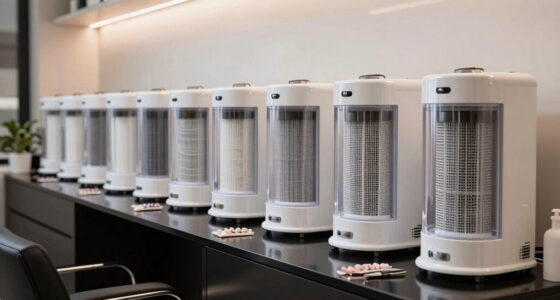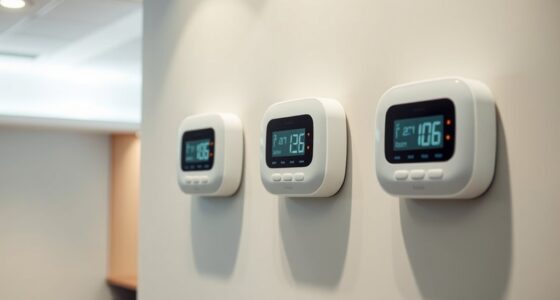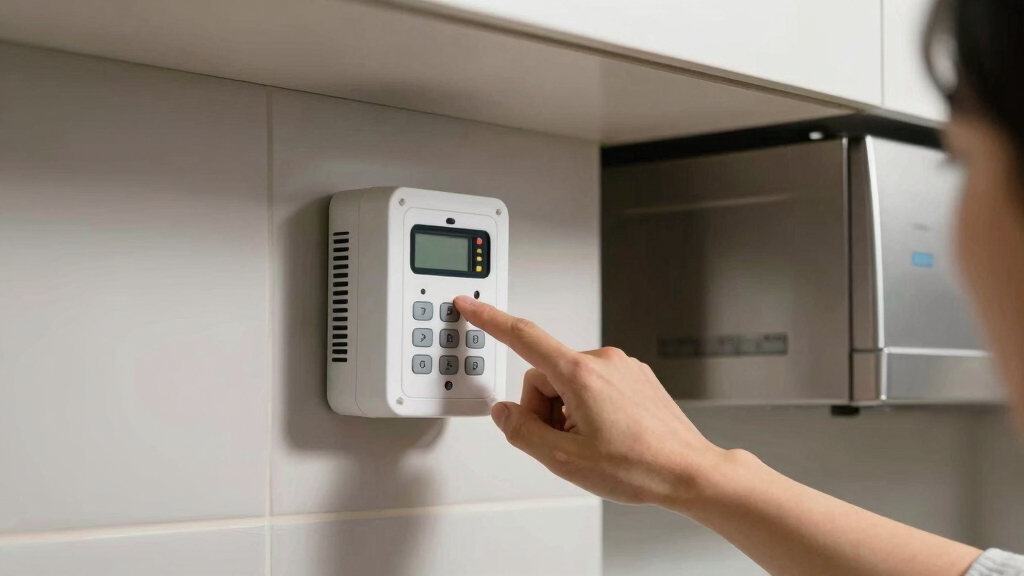

Choosing the best sewer gas detector depends on your specific needs, whether you’re a homeowner, professional inspector, or industrial user. The Propane Leak Detector with 20-Year Sensor Life stands out for its long-lasting sensor and flexible probe, making it ideal for extensive or outdoor use. The Forensics Sewer Gas Leak Detector offers durability and versatile alarms suited for more demanding environments, but it’s mainly geared toward professional use. Meanwhile, the Sewer Gas Leak Detector by Japan provides reliable methane detection with a compact design, perfect for quick inspections and DIYers. Each has distinct tradeoffs, like battery life or detection scope, which influence the best choice depending on your situation.

Get home appliances delivered free with Prime
- Fast, free delivery on millions of items
- Prime Video, Amazon Music and more included
- Member-only deals all year
Key Takeaways
- The Propane Leak Detector offers a 20-year sensor lifespan and flexible probe but has limited battery life for portable use.
- The Forensics Sewer Gas Leak Detector is highly durable with multiple alarm types, though it’s more suited for professional environments.
- The Japanese sewer gas detector excels at methane detection and durability but is limited to methane and has a shorter sensor life.
- Battery life and scope of gas detection are primary considerations when selecting a sewer gas detector.
- Each option balances features and tradeoffs, making some more suitable for casual use while others serve industrial needs better.
| Propane Leak Detector with 20-Year Sensor Life and Nano-Oxide Sensor |  | Best Overall for Long-Term Reliability | Sensor Type: Semiconductor | Sensor Life: 20 years | Detection Range: 0-10,000 ppm | VIEW LATEST PRICE | See Our Full Breakdown |
| Sewer Gas Leak Detector by Forensics |  | Best for Durability and Versatile Alarms | Power Source: Battery Powered | Alarm: Audible, Vibration, Visual | Sensor Type: Semiconducting Metal Oxide | VIEW LATEST PRICE | See Our Full Breakdown |
| Sewer Gas Leak Detector |  | Best for Methane Detection and DIY Use | Sensor Calibration: Methane | Housing Material: ABS | Drop Test Pass: 10 ft | VIEW LATEST PRICE | See Our Full Breakdown |
| sewer gas detector | Sensor Type | Sensor Life | Warranty |
|---|---|---|---|
| Propane Leak Detector with 20- | Semiconductor | 20 years | — |
| Sewer Gas Leak Detector by For | Semiconducting Metal Oxide | — | 1 year |
| Sewer Gas Leak Detector | — | 5 years | 1 year |
More Details on Our Top Picks
Propane Leak Detector with 20-Year Sensor Life and Nano-Oxide Sensor
This detector stands out because of its 20-year sensor lifespan, which minimizes maintenance and replacement. Its fast response time and multiple alarms—LED, sound, vibration—ensure you’re alerted in various conditions. The flexible gooseneck probe is especially helpful for reaching tight or hard-to-access areas, making it versatile for home, outdoor, or industrial settings. However, with only about 5 hours of battery life per charge and the need for regular calibration, it’s not ideal for casual or short-term use where portability is key. Compared with the Forensics model, it offers broader detection capabilities, though it overdelivers for home use alone.
Pros:- Long sensor lifespan of 20 years
- Fast response under 5 seconds
- Multiple customizable alarm options
- Flexible probe for hard-to-reach areas
Cons:- Limited battery life (~5 hours)
- Requires regular calibration
- May be overkill for simple home detection
Best for: Professional inspectors and industrial users who need a durable, long-lasting sensor for frequent, extended use
Not ideal for: Casual homeowners or users needing all-day portability without frequent recharging
- Sensor Type:Semiconductor
- Sensor Life:20 years
- Detection Range:0-10,000 ppm
- Alarm Types:LED, sound, vibration
- Probe Length:12.8 inches
- Battery Capacity:2000mAh
- Battery Life:More than 5 hours
Our verdict“This model provides unmatched longevity and responsiveness, making it a top choice for industrial and professional use where durability matters most.”
Sewer Gas Leak Detector by Forensics
This detector is designed with a Japanese-made semiconductor sensor with a 20-year lifespan, emphasizing durability. Its alarm system includes audible, visual, and vibration alerts, making it flexible in noisy or challenging environments. The device’s shock, water, dust, and explosion-proof build enhances reliability in demanding conditions, especially in professional settings like plumbing or sewer inspections. The main tradeoff is the limited 1-year warranty and reliance on batteries, which may need replacements over time. Compared to the other options, it is more durable but less feature-rich in detection scope or user interface, making it better suited for trained professionals.
Pros:- Long-lasting 20-year sensor
- Multiple alarm types for versatile alerts
- Shock, water, dust, and explosion-proof design
Cons:- Limited 1-year warranty
- Battery-dependent, may require replacements
- Designed mainly for professional use
Best for: Professional inspectors and industrial environments where durability and multi-alert systems are critical
Not ideal for: Casual homeowners or users seeking a compact, budget-friendly option for occasional use
- Power Source:Battery Powered
- Alarm:Audible, Vibration, Visual
- Sensor Type:Semiconducting Metal Oxide
- Operating Humidity:95%
- Item Dimensions:1.18″D x 2.6″W x 8.27″H
- Item Weight:1 pounds
- Warranty:1 year
Our verdict“This detector’s durability and alarm versatility make it ideal for professional applications, though it’s less suited for casual or infrequent use.”
Sewer Gas Leak Detector
This Japanese-made detector specializes in methane detection, calibrated for sewer gas leaks, making it an excellent choice for quick inspections or DIY projects. Its shock-resistant ABS housing withstands drops from 10 feet, adding to its reliability on job sites or in home inspections. The device includes batteries and a manual, simplifying setup. However, it’s limited to methane detection only, and lacks digital displays or advanced features found in higher-end models. Its 5-year sensor life is shorter compared to others, but for methane-focused detection, it offers solid performance at an accessible price point.
Pros:- Accurate methane detection with Japanese calibration
- Shock-resistant ABS housing
- Includes batteries and manual
Cons:- Limited to methane detection only
- No digital display or advanced features
- Sensor life is shorter at 5 years
Best for: Homeowners, DIYers, and inspectors needing quick methane detection with durability
Not ideal for: Professionals needing detection of multiple gases or longer-term sensor replacements
- Sensor Calibration:Methane
- Housing Material:ABS
- Drop Test Pass:10 ft
- Warranty:1 year
- Sensor Life:5 years
- Included Batteries:3 x AAA
Our verdict“This detector provides reliable methane detection in a rugged, easy-to-use package, ideal for quick inspections and DIY projects.”

How We Picked
Our selection process prioritized long-term reliability, accuracy, and versatility. We examined sensor lifespan, detection range, alarm options, durability, and ease of use. Products were chosen to cover a range of user needs—from homeowners to professionals—while considering real-world tradeoffs like battery life and scope of detection. We focused on models with proven longevity and safety features, ensuring that each makes a meaningful contribution to detecting sewer gases effectively.
| sewer gas detector | Sensor Type |
|---|---|
| Propane Leak Detector with 20- | Semiconductor |
| Sewer Gas Leak Detector by For | Semiconducting Metal Oxide |
| Sewer Gas Leak Detector | — |
Factors to Consider When Choosing Best Sewer Gas Detectors
Choosing the right sewer gas detector involves balancing detection range, durability, battery life, and intended use. Whether you need a long-term, durable device for professional inspections or a simple, portable tool for occasional home checks, understanding key features helps you make an informed decision.
Detection Capabilities
Not all sewer gas detectors detect the same gases or at the same sensitivity. Consider whether you need detection for a broad range of gases or just methane. Devices like the Propane Leak Detector offer wide-range detection, while the Japanese model is specialized for methane. Think about the gases present in your environment and choose accordingly.
Durability and Build Quality
Durability varies significantly. Professional-grade detectors often feature shock, water, and dust resistance, ensuring they withstand harsh environments. For casual use, a more compact and lightweight device might suffice, but be aware that less rugged models may not last long in demanding settings.
Sensor Lifespan and Maintenance
Sensor longevity impacts ongoing costs and reliability. Long-lasting sensors, like the 20-year models, reduce replacement frequency. However, some detectors require regular calibration, which can be a tradeoff for convenience. Shorter sensor lives may mean more frequent replacements but can be less expensive upfront.
Alarm Types and Ease of Use
Multiple alarm options—visual, audible, vibration—are useful in noisy or challenging environments. Simpler models with only sound alerts can work well for quick checks, while multi-alert systems are better suited for safety-critical applications. Ease of calibration and operation is also a key factor for non-professional users.
Frequently Asked Questions
What gases do sewer gas detectors typically detect?
Many sewer gas detectors focus on detecting methane, hydrogen sulfide, or a broad range of sewer-related gases. Some models, like the Propane Leak Detector, detect a wide spectrum, while others, such as the Japanese methane detector, are specialized. Your choice depends on the specific gases you expect in your environment.
How long do sensor lifespans typically last, and why does it matter?
Sensor lifespan is a key factor because it influences maintenance costs and reliability. Some sensors, like those in the Propane Leak Detector and Forensics model, last up to 20 years, reducing replacement frequency. Shorter sensor lives, such as 5 years, may require more regular replacements but can be less costly upfront. Longer lifespan sensors tend to be more reliable and better suited for ongoing use.
Are portable sewer gas detectors suitable for home use?
Yes, portable detectors are generally suitable for home use, especially if they are lightweight and easy to operate. However, models with advanced features or professional-grade durability might be overkill for casual inspections. Simpler devices like the Japanese methane detector provide effective and reliable detection for DIYers, while more robust detectors are better for ongoing or professional monitoring.
What features should I look for in a sewer gas detector?
Key features include detection range, sensor lifespan, alarm options, durability, and ease of use. A wide detection range and multiple alarm types improve safety and convenience. Long-lasting sensors reduce maintenance, and rugged build quality ensures durability in demanding environments. Consider your specific needs and environment to select the most suitable device.
Is calibration necessary for sewer gas detectors?
Calibration is important for maintaining accuracy, especially in professional or critical applications. Many detectors require periodic calibration or sensor replacement after a certain period. Some, like the Propane Leak Detector, have built-in features to facilitate calibration, while others may need professional servicing. Regular calibration ensures the device provides reliable readings over time.
Conclusion
For DIY homeowners or occasional inspectors, a compact methane detector like the Japanese model offers reliable performance without complexity. Professionals and industrial users will benefit from the Propane Leak Detector’s longevity and versatile alarms, though it’s more suited to frequent use. Those seeking maximum durability and multi-gas detection should consider the Forensics Sewer Gas Leak Detector, especially in demanding environments where reliability and safety are paramount. Ultimately, your choice depends on your specific application, environment, and budget.