
During winter, dry indoor air can make your home feel rough because low humidity causes skin dryness, chapping, and throat irritation, while also increasing respiratory discomfort. Heating systems often dry out the air further, and gaps around windows and doors let in dry drafts. To stay comfortable, monitor your indoor humidity with a hygrometer, aim for 30-50%, and use humidifiers or natural methods to add moisture. Keep going to discover more tips for a healthier, cozy home.

Get home appliances delivered free with Prime
- Fast, free delivery on millions of items
- Prime Video, Amazon Music and more included
- Member-only deals all year
Key Takeaways
- Dry indoor air causes skin, lips, and throat discomfort, making your home feel rough and uncomfortable.
- Maintaining indoor humidity between 30% and 50% prevents dryness and improves comfort.
- Using humidifiers and natural moisture sources like water bowls or indoor plants increases indoor humidity.
- Proper home insulation and sealing reduce dry air intrusion and help stabilize indoor moisture levels.
- Regularly monitoring humidity prevents excessive dryness or moisture, reducing respiratory irritation and roughness.

Winter dry air can cause a range of discomforts and health issues, but with a proactive approach, you can minimize its effects. One of the main concerns during colder months is how the dry air impacts indoor humidity levels. When humidity drops too low, the air inside your home becomes harsh, making everything feel rough and uncomfortable. You may notice your skin feels dry, your throat is scratchy, or your lips chap more easily. These are signs that the indoor environment isn’t properly balanced. Maintaining appropriate indoor humidity is essential because it directly affects your respiratory health. When the air is too dry, your respiratory passages can become irritated, increasing the risk of colds, sore throats, and sinus issues. Keeping indoor humidity at the right level helps keep your respiratory system healthy and resilient against seasonal colds and allergies.
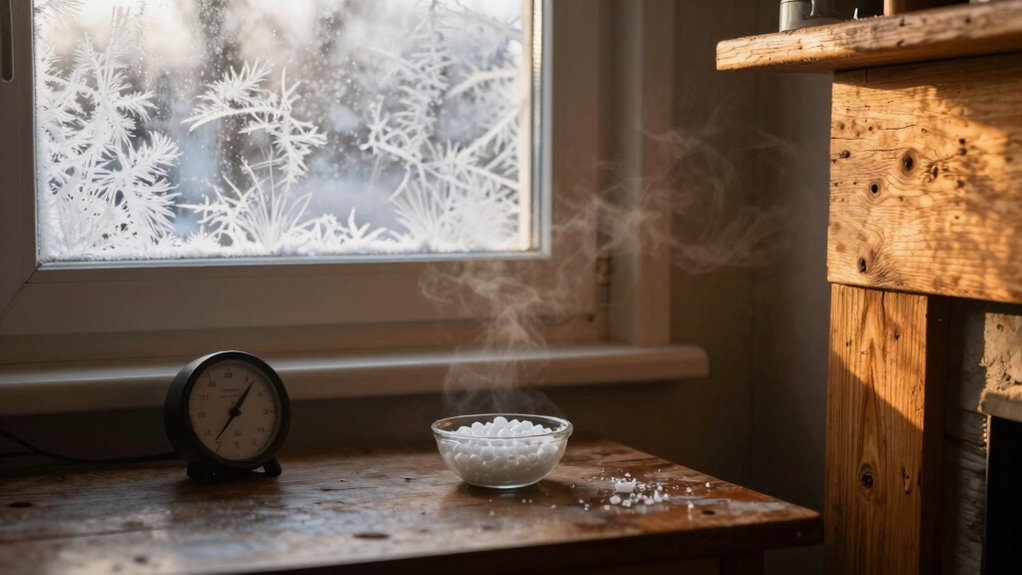
To start, check your home’s humidity levels with a hygrometer. Ideally, indoor humidity should stay between 30% and 50%. If it’s below this range, it’s time to add moisture to the air. Using a humidifier is one of the quickest ways to boost indoor humidity. Just make sure to clean it regularly to prevent mold and bacteria growth, which could worsen respiratory health. Position the humidifier in common areas like the living room or bedroom for even distribution. If a humidifier isn’t an option, placing bowls of water near heat sources or hanging damp towels can help add moisture naturally. Incorporating natural moisture sources can be a simple way to increase humidity without mechanical devices. Adding indoor plants can also naturally boost humidity levels, as many houseplants release moisture into the air through transpiration. Additionally, introducing natural humidity boosters into your home can help maintain steady moisture levels more effectively. Avoid over-humidifying, though, because excessive moisture can promote mold growth and dust mite proliferation, which can also harm respiratory health. Regularly monitoring humidity levels helps prevent excessive moisture buildup, which is crucial for maintaining a healthy indoor environment. Additionally, increasing indoor plant presence can naturally boost humidity levels, as many houseplants release moisture into the air through transpiration.
Another step is to evaluate your home’s insulation and sealing. Gaps and leaks around windows and doors allow dry air to seep in, reducing overall indoor humidity. Sealing these leaks helps stabilize the air quality and keeps moisture levels more consistent. Additionally, consider your heating methods. Forced-air systems tend to dry out the air, so using a humidifier in tandem with your heater can help maintain comfort and protect your respiratory health. Remember, dry air also affects your skin and can lead to irritation, so keeping humidity balanced benefits your entire wellbeing. By actively managing indoor humidity, you create a more comfortable, healthier environment that prevents that rough, unwelcoming feeling that dry winter air often brings. Making these small adjustments can considerably improve your comfort and bolster your respiratory health throughout the season.
humidifier for winter indoor use
As an affiliate, we earn on qualifying purchases.
As an affiliate, we earn on qualifying purchases.
Frequently Asked Questions
How Does Dry Air Affect Indoor Plants?
Dry air can cause your indoor plants to struggle with plant hydration, making it harder for them to absorb moisture through their leaves and roots. You’ll notice leaf health decline, with leaves becoming crisp, brown, or curling. To help, increase humidity around your plants, mist their leaves regularly, and guarantee proper watering. Keeping the air moist will support healthier plant hydration and maintain vibrant, lush foliage.
Can Dry Air Cause Allergic Reactions Indoors?
Yes, dry air can trigger allergic reactions indoors. It promotes dust mite proliferation and can cause indoor mold to thrive, both of which worsen allergy symptoms. When the air lacks humidity, allergens become more airborne and irritating. To reduce reactions, use a humidifier, keep your home well-ventilated, and regularly clean to control dust and mold. Maintaining proper humidity levels helps minimize these allergens and eases allergy symptoms.
What Are the Long-Term Effects of Dry Air on Furniture?
Did you know that dry air can cause furniture cracking and wood warping over time? When humidity drops below 30%, your furniture’s wood fibers lose moisture, leading to cracks and warping that can weaken its structure. You might notice gaps or uneven surfaces developing, reducing your furniture’s lifespan. To protect your investment, maintain proper humidity levels and consider using humidifiers to keep your furniture in good shape long-term.
How Does Dry Air Impact Indoor Humidity Levels?
Dry air reduces indoor humidity levels, making it harder to maintain proper humidity regulation. When air moisture drops, your home feels drier and can cause discomfort, static electricity, and damage to furniture. You might notice increased respiratory issues or skin dryness. To combat this, use humidifiers or houseplants to boost air moisture, ensuring a healthier, more comfortable environment. Keeping humidity levels balanced helps protect your home and your well-being.
Are There Specific Health Risks Linked to Winter Dry Air?
You might wonder if winter dry air poses health risks. It does, mainly causing skin irritation, making your skin itchy or flaky. Dry air can also irritate your throat and nasal passages, increasing cold or respiratory infection chances. Asthma symptoms might worsen too. Staying hydrated and using humidifiers can help protect you from these health concerns, keeping your skin and respiratory system healthier during the winter months.
As an affiliate, we earn on qualifying purchases.
Conclusion
So, as you tackle this winter dry air checklist, remember that the same chilly air drying out your home can also sneak into your nose and skin. It’s almost like Mother Nature’s little coincidence—just when you’re trying to cozy up, dry air reminds you to stay vigilant. Keep your home moist and comfortable, and you might find that winter’s harsh touch doesn’t have to steal your comfort. Sometimes, the smallest changes make the biggest difference.
As an affiliate, we earn on qualifying purchases.
water bowls for humidifying rooms
As an affiliate, we earn on qualifying purchases.
As an affiliate, we earn on qualifying purchases.
Halloween Picks
halloween
As an affiliate, we earn on qualifying purchases.