Performing a quick static pressure check helps you identify airflow problems across your home. It involves measuring pressure differences in your duct system, which can reveal blockages, leaks, or too-narrow ducts causing weak airflow. If the static pressure is higher than normal, it signals restrictions or design mismatches. Regular checks can improve your system’s efficiency. Want to learn how to do these tests and fix issues? Keep exploring for more tips.

Get home appliances delivered free with Prime
- Fast, free delivery on millions of items
- Prime Video, Amazon Music and more included
- Member-only deals all year
Key Takeaways
- Measuring static pressure reveals airflow restrictions causing weak airflow throughout the home.
- Elevated static pressure indicates duct or filter blockages impairing system performance.
- Quick pressure checks identify issues like undersized ducts or dirty filters affecting airflow.
- Regular static pressure testing helps diagnose widespread airflow problems efficiently.
- Addressing high static pressure improves overall HVAC efficiency and consistent airflow.
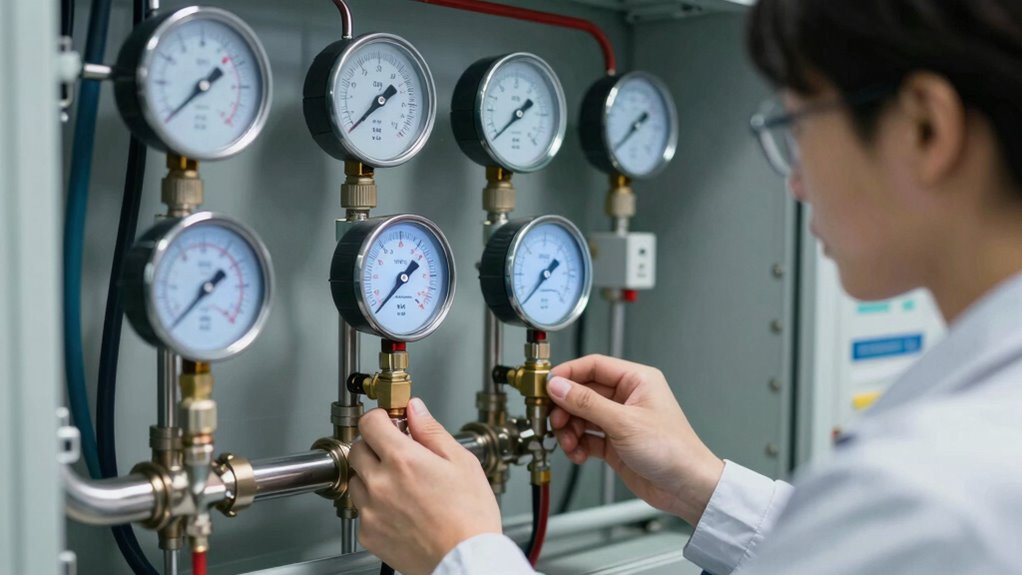
Performing a quick static pressure check is an essential step in guaranteeing your HVAC system operates efficiently. When airflow feels weak throughout your home, the problem often traces back to issues with duct sizing or filter efficiency. By checking static pressure, you can quickly identify whether your ductwork is too narrow or if your filters are clogged, both of which hinder airflow and reduce system performance. This simple test gives you valuable insight into what’s limiting your system’s ability to deliver proper airflow everywhere.
If your static pressure reading is higher than normal, it indicates increased resistance in the ductwork or filters. Poor duct sizing is a common culprit—ducts that are too small restrict airflow, causing your blower motor to work harder and reducing overall airflow. Conversely, oversized ducts might cause insufficient air velocity, leading to uneven temperature distribution. When you check static pressure, you can determine whether your duct design aligns with your system’s capacity. If it doesn’t, upgrading or resizing your ducts might be necessary to restore proper airflow and efficiency.
Filter efficiency plays a fundamental role in maintaining good static pressure. A dirty or clogged filter creates a significant restriction, forcing your system to exert more effort to push air through. This not only lowers airflow but can also lead to increased energy consumption and wear on your equipment. When performing your static pressure check, inspect your filters. If they haven’t been replaced recently, replacing them with high-quality, appropriately rated filters can immediately improve airflow and reduce static pressure. Remember, a clean filter is essential for maintaining filter efficiency and preventing unnecessary strain on your system. Regular filter maintenance can help avoid these issues before they impact system performance, especially since well-maintained filters contribute to the overall airflow efficiency of your system.
During the check, use a manometer or a static pressure gauge to measure the pressure difference across critical points in your duct system. If you notice high readings, start by replacing or cleaning your filters and inspecting your ductwork for any obstructions or damage. If the static pressure remains high after these steps, it may be time to consider duct sizing adjustments or professional assessments to guarantee your system is optimized. Addressing these issues not only improves airflow but also enhances overall energy efficiency and indoor comfort.
Understanding airflow issues can help you make informed decisions about your HVAC system and ensure it operates smoothly. In essence, a quick static pressure check is a straightforward way to diagnose airflow problems. By understanding how duct sizing and filter efficiency influence static pressure, you can take targeted steps to improve your HVAC system’s performance. Whether it’s replacing filters, sealing leaks, or resizing ducts, fixing these issues ensures your system delivers consistent airflow everywhere, making your home more comfortable and reducing energy costs.
As an affiliate, we earn on qualifying purchases.
Frequently Asked Questions
How Often Should I Perform a Static Pressure Check?
You should perform a static pressure check at least once a year to maintain ideal airflow patterns and HVAC efficiency. Regular checks help identify potential issues early, ensuring your system runs smoothly. If you notice inconsistent airflow or increased energy bills, consider doing a static pressure check more frequently. Staying proactive with these inspections keeps your system balanced, improves comfort, and helps prevent costly repairs down the line.
Can a Static Pressure Check Identify All Airflow Issues?
They say, “Don’t put all your eggs in one basket,” and that’s true for airflow diagnostics. A static pressure check can identify many common issues, but it doesn’t catch every problem. To guarantee thorough system troubleshooting, combine it with other diagnostic methods. While it’s a helpful tool, relying solely on static pressure checks might miss hidden airflow issues. Always use an all-encompassing approach for the best results.
What Tools Are Needed for a Quick Static Pressure Test?
To perform a quick static pressure test, you’ll need a manometer or a digital pressure gauge, which are essential tools in your tools overview. Testing procedures involve turning on your system, locating the static pressure port, and connecting the gauge. Then, you measure the pressure at various points in the ductwork. This simple process helps identify airflow issues efficiently, ensuring your system operates most effectively.
How Long Does a Static Pressure Check Typically Take?
A static pressure check usually takes about 10 to 15 minutes, like a quick pit stop for your system. You’ll use an airflow measurement with a pressure gauge to get accurate readings. With steady hands and a bit of patience, this quick test reveals hidden airflow issues. It’s a small investment of time that pays off by helping you identify and fix airflow problems before they become costly headaches.
Is Professional Help Necessary for Static Pressure Testing?
You don’t always need professional help for static pressure testing; a DIY assessment can sometimes identify basic issues. However, HVAC diagnostics often require precise tools and experience to interpret results accurately. If you’re unsure or the system shows complex problems, it’s best to call in a professional. They guarantee correct testing, safe handling, and effective solutions, saving you time and preventing potential damage to your system.
As an affiliate, we earn on qualifying purchases.
Conclusion
Think of your HVAC system like a garden hose. If water barely flows, you’d check for kinks or blockages, right? A quick static pressure check is your hose’s inspection—spotting clogs before they cause a flood. Just as a simple twist can restore water flow, a brief pressure test can restore your airflow. Stay vigilant, perform regular checks, and keep your system flowing smoothly like a well-maintained garden hose on a sunny day.
As an affiliate, we earn on qualifying purchases.
As an affiliate, we earn on qualifying purchases.
Cold & flu season Picks
humidifiers
As an affiliate, we earn on qualifying purchases.