
To find your ideal indoor humidity level, assess your comfort and note signs like dry skin or mold. Use a reliable hygrometer to measure current levels and consider factors like airflow, insulation, and seasonal changes. Adjust your environment with humidifiers or dehumidifiers as needed, and incorporate decor that affects moisture. Want a simple way to determine the perfect balance? Keep exploring, and you’ll discover tips to optimize your home’s air quality.

Get home appliances delivered free with Prime
- Fast, free delivery on millions of items
- Prime Video, Amazon Music and more included
- Member-only deals all year
Key Takeaways
- Assess your comfort by noticing signs like dry skin or mold growth.
- Measure indoor humidity with a calibrated hygrometer placed away from heat sources.
- Consider seasonal changes and air circulation to determine if humidity is too low or high.
- Observe indoor plants and window condensation as indicators of humidity levels.
- Adjust humidity with ventilation, dehumidifiers, or humidifiers based on your specific needs.
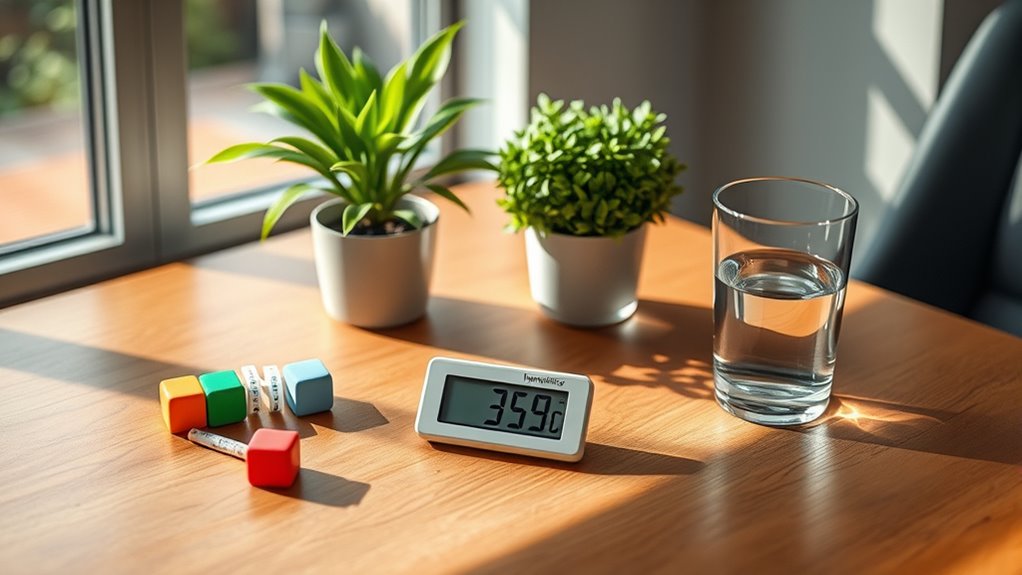
digital hygrometer with calibration
As an affiliate, we earn on qualifying purchases.
As an affiliate, we earn on qualifying purchases.
Understanding Your Comfort and Needs
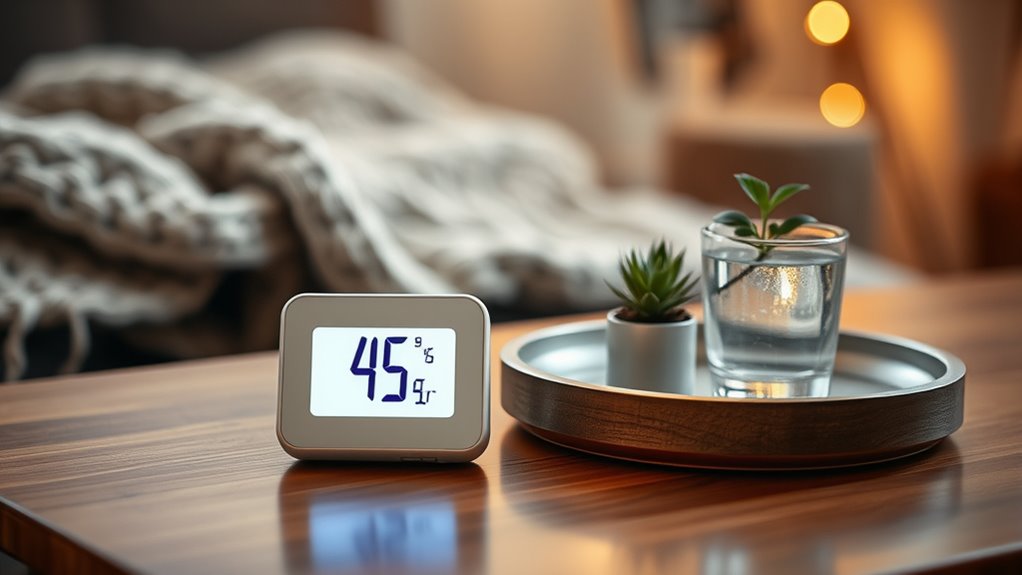
Understanding your comfort and needs is the first step in accurately evaluating your ideal indoor humidity level. Your comfort heavily depends on air quality, which can fluctuate with seasonal changes. During colder months, low humidity can cause dry skin, irritation, and breathing issues, while in humid seasons, excess moisture may lead to mold growth and poor air quality. Consider how different seasons affect your comfort and health. Do you notice more congestion or dryness at certain times of the year? By reflecting on these seasonal shifts, you can better determine what humidity range keeps your air fresh and comfortable. Recognizing how your environment impacts your well-being helps you set a baseline for maintaining suitable indoor humidity tailored specifically to your needs. Additionally, understanding your environment can help you identify specific triggers that affect your health and comfort.
As an affiliate, we earn on qualifying purchases.
Recognizing Signs of Too Dry or Too Humid Air
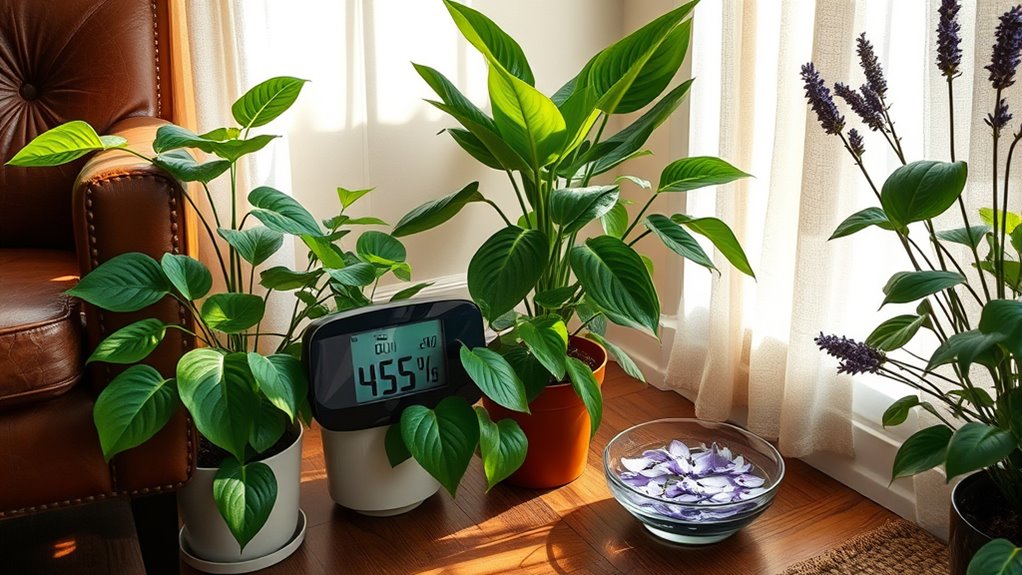
Paying attention to the signs your indoor air may be too dry or too humid helps you maintain a comfortable environment. If your indoor plants wilt easily or develop brown leaf edges, it’s a sign the air is too dry, which can hinder indoor plant care. Conversely, persistent condensation on windows or mold growth indicates overly humid conditions. You might also notice an increase in dust mites, which thrive in humid environments, making dust mite prevention harder. Dry air often leads to static electricity and dry skin, while humid air can cause musty odors and promote mold growth. Regular air quality monitoring can help you detect these issues early, allowing you to adjust humidity levels promptly, creating a healthier space and ensuring your indoor plants thrive. Staying attentive ensures your home remains comfortable and free from humidity-related issues.
dehumidifier for mold prevention
As an affiliate, we earn on qualifying purchases.
As an affiliate, we earn on qualifying purchases.
Measuring Indoor Humidity Levels Effectively
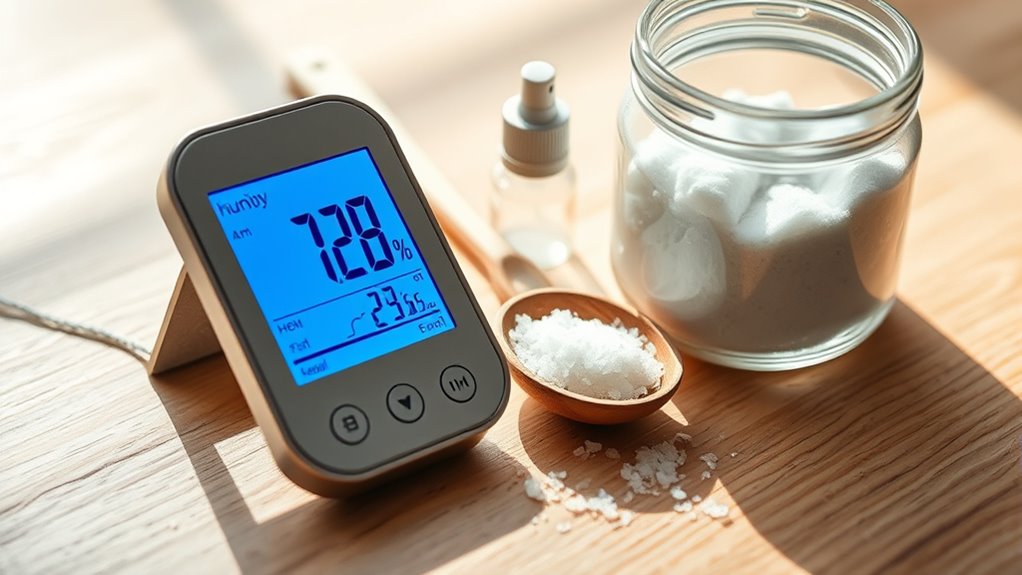
To guarantee your indoor air stays comfortable and healthy, measuring humidity levels accurately is essential. Start with a quality humidity sensor or hygrometer, ensuring it’s placed away from windows, doors, or heat sources for accurate readings. Regularly calibrate your hygrometer to maintain precision, following manufacturer instructions or using a calibration salt test. To improve measurement reliability, consider these tips:
Ensure accurate humidity readings by calibrating regularly and placing sensors away from heat sources.
- Use a digital hygrometer with a built-in calibration feature.
- Verify accuracy periodically with a salt test or professional calibration.
- Keep humidity sensors clean and free of dust or debris.
- Understanding humidity levels helps you maintain an optimal environment for comfort and health.
As an affiliate, we earn on qualifying purchases.
Factors That Influence Your Ideal Humidity Setting
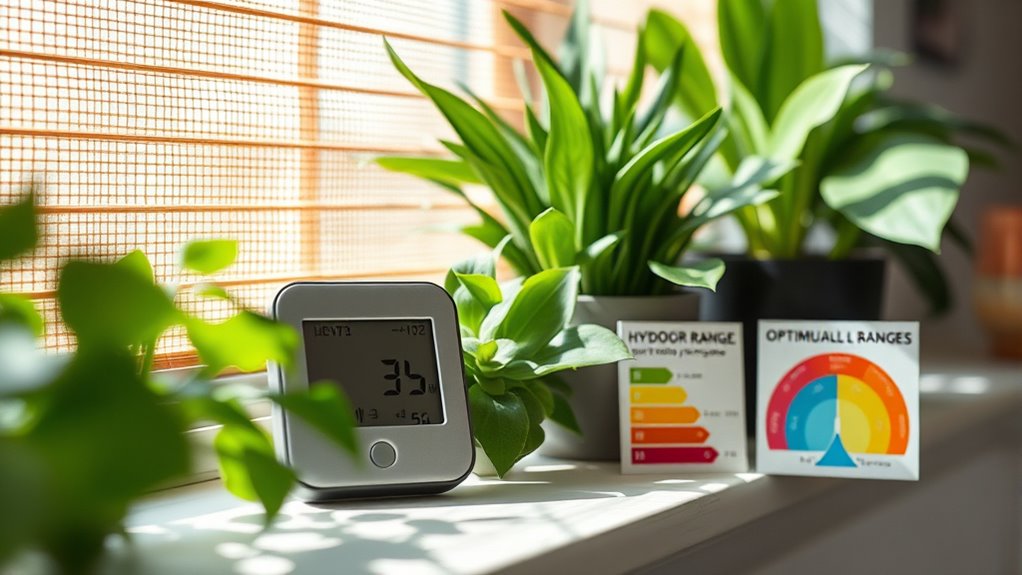
Several factors influence the ideal humidity level for your indoor environment, and recognizing these can help you create a more comfortable and healthy space. Air circulation plays a vital role; good airflow prevents moisture buildup, reducing the risk of mold growth. Poor circulation can trap humidity, making your home feel damp and increasing health risks. Additionally, your home’s insulation and ventilation systems affect moisture levels, so understanding how these components work helps you set appropriate humidity levels. If your space tends to be damp or mold-prone, lower humidity might be better. Conversely, in very dry environments, raising humidity helps prevent respiratory issues. By considering air circulation and mold growth risk, you can fine-tune your indoor humidity to improve comfort and health.
Adjusting Your Environment for Optimal Comfort

Adjusting your environment to achieve ideal comfort involves practical steps that can make a noticeable difference in how your space feels. Start by incorporating decorative accessories like textured curtains or rugs, which help regulate humidity and add aesthetic appeal. Next, optimize air purification by using air purifiers with HEPA filters, reducing allergens and maintaining fresh air quality. Consider also using eye patches to refresh your eyes and reduce puffiness, especially after long hours of screen time or travel. Finally, consider adjusting your thermostat to maintain proper temperature and humidity balance. These small tweaks can substantially improve comfort levels, especially when combined with proper humidity control. By focusing on both functional elements like air quality and decorative accessories, you create a healthier, more inviting environment. This holistic approach ensures you stay comfortable and breathe easier in your space.
Frequently Asked Questions
How Does Seasonal Change Affect My Ideal Indoor Humidity?
Seasonal fluctuations impact your ideal indoor humidity because your needs change with the weather. During winter, you might need to increase humidity to prevent dry skin and static, while in summer, lower levels help reduce mold and dust mites. Your humidity adaptation varies seasonally, so adjusting your settings ensures comfort and health year-round. Keep an eye on the weather and tweak your humidity levels accordingly for maximum indoor air quality.
Can Pets Influence the Optimal Humidity Level in My Home?
Imagine your dog scratching at the door, seeking comfort. Pets can influence your home’s ideal humidity level because their behavior, like excessive shedding or drooling, affects moisture levels. Maintaining proper humidity supports pet health by preventing dry skin or respiratory issues. You might need to adjust indoor humidity to accommodate their needs, ensuring a comfortable environment that promotes their well-being and helps mitigate any pet-related humidity fluctuations.
What Are the Health Risks of Incorrect Humidity Levels?
You need to maintain correct indoor humidity levels because too low or too high can pose health risks. Low humidity can dry out your airways, making you more susceptible to airborne pathogens, while high humidity encourages mold growth, which can cause allergies and respiratory issues. By keeping humidity balanced, you reduce these risks, supporting better respiratory health and a cleaner indoor environment.
How Often Should I Recalibrate My Humidity Measuring Devices?
Did you know that inaccurate humidity readings can lead to discomfort and higher energy bills? You should recalibrate your humidity measuring devices at least once every six months to maintain humidity accuracy. Regular device calibration guarantees your measurements stay precise, helping you create the perfect indoor environment. If you notice inconsistent readings or after device impacts, recalibrate sooner to keep your humidity levels just right.
Are There Specific Humidity Levels Recommended for Allergy Sufferers?
For allergy sufferers, keeping indoor humidity between 30-50% helps reduce airborne allergens and mold growth. Lower levels prevent mold spores and dust mites from thriving, easing allergy symptoms. You should aim for this range consistently, especially during allergy seasons. Using a hygrometer helps you monitor effectively. If you notice increased allergies or mold, adjust your humidity levels accordingly. Maintaining proper humidity creates a healthier, more comfortable environment for you.
Conclusion
Now that you know how to measure and adjust your indoor humidity, you’re armed with the secrets to perfect comfort. Think of your home as a delicate dance—finding the right humidity is the rhythm that keeps everything in harmony. Don’t let dry air or excess moisture disrupt your peace. Take control today, and create a cozy, healthy environment where every breath feels just right. After all, isn’t comfort the true measure of home?
Halloween Picks
halloween
As an affiliate, we earn on qualifying purchases.