To stop the itch caused by dry winter air, aim to keep your indoor humidity between 40-50%. This range helps keep your skin moist, prevents cracking, and reduces irritation. You can measure your humidity with a hygrometer and use a humidifier or natural methods like water bowls to maintain ideal levels. Staying within this target improves comfort and health. Keep going to discover simple tips for maintaining the perfect indoor moisture balance.
Key Takeaways
- Maintain indoor humidity between 40-50% to prevent skin dryness and irritation.
- Use a hygrometer to monitor humidity levels consistently for optimal comfort.
- Employ humidifiers or natural methods like water bowls to boost moisture during dry winter air.
- Avoid humidity levels below 30% to reduce itchiness, cracking, and respiratory discomfort.
- Proper humidity control helps prevent static electricity, mold, and dust mites, promoting healthier indoor air.
Why Indoor Humidity Matters for Winter Comfort

Have you ever noticed how dry winter air can make your skin feel tight or cause your throat to itch? That’s because low indoor humidity reduces skin hydration, leaving your skin dry and uncomfortable. It also irritates your respiratory health, making breathing feel more difficult and increasing the risk of colds or respiratory infections. Maintaining proper humidity levels helps keep your skin moist and resilient, preventing discomfort and cracking. It also keeps your airways moist, reducing irritation and promoting easier breathing. When indoor humidity is too low, your body struggles to stay hydrated, and your respiratory system becomes more vulnerable. Proper humidity control plays a crucial role in supporting overall health and comfort during winter months. Additionally, using humidifiers can help maintain optimal moisture levels in your indoor environment. By managing indoor humidity, you support both your skin’s health and your respiratory well-being, making winter more comfortable and less itchy. Ensuring consistent indoor humidity levels can also help prevent static electricity and damage to wooden furniture and musical instruments, further contributing to a comfortable home environment. Regularly monitoring indoor air quality can help you maintain ideal moisture levels and prevent health issues related to dry air. Incorporating humidistats can also help automate humidity regulation for optimal comfort.
What’s the Ideal Indoor Humidity Level to Prevent Itching and Discomfort
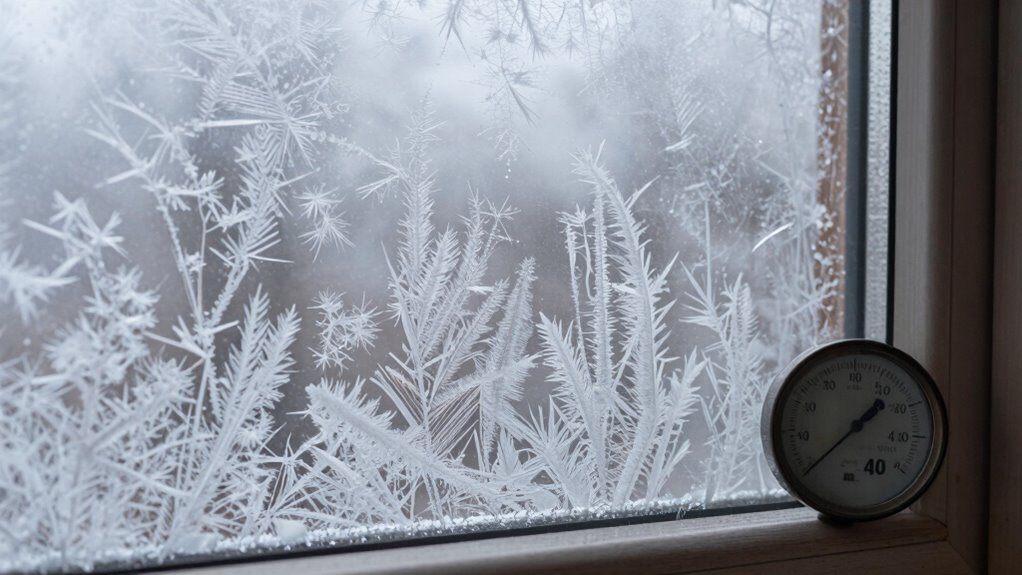
Maintaining the right indoor humidity level is essential to prevent itching and discomfort during winter. When humidity is too low, your skin hydration decreases, leading to dryness and irritation. The ideal range is between 40-50%, which helps keep your skin moist and resilient. Proper humidity also improves air quality by reducing airborne irritants and allergens that can worsen itching. Ensuring this balance not only supports healthier skin but also creates a more comfortable environment. Too dry, and your skin becomes prone to cracking; too humid, and mold or dust mites can thrive. Monitoring and adjusting your indoor humidity within this range helps you stay comfortable, minimizes discomfort, and promotes better overall air quality during the cold months. Discovering trusted businesses and services near you can help you find reliable solutions for maintaining optimal indoor conditions.
How to Measure Your Indoor Humidity and What the Numbers Mean
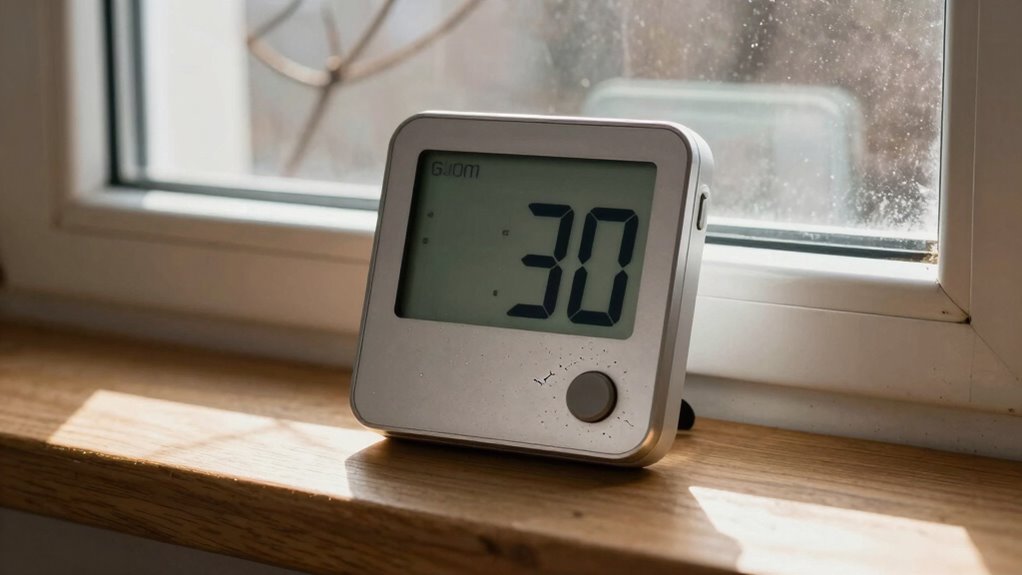
To effectively manage your indoor humidity, you need an easy way to measure it accurately. A humidity sensor is essential, but guarantee it’s properly calibrated for precise readings—regular sensor calibration keeps your device accurate over time. There are different humidity sensor types, such as digital hygrometers, capacitive sensors, and resistive sensors. Digital hygrometers are user-friendly and provide quick readings, while capacitive sensors are more durable and reliable for long-term use. When measuring, place the sensor away from direct heat or moisture sources for the most accurate results. The numbers on your device indicate the percentage of moisture in the air. Generally, aim for a humidity level between 30% and 50% for comfort and health. Understanding these readings helps you maintain ideal indoor conditions — especially in environments prone to Free Floating conditions that can affect air quality and comfort. Additionally, monitoring indoor humidity levels regularly enables you to make adjustments proactively and prevent issues like dryness or mold growth. Proper humidity levels can also influence skin hydration and overall wellness during dry winter months. Maintaining the right humidity can also support hive health by reducing stress on living organisms and preventing issues caused by overly dry air.
Using Humidifiers and Tips to Reach the Perfect Humidity
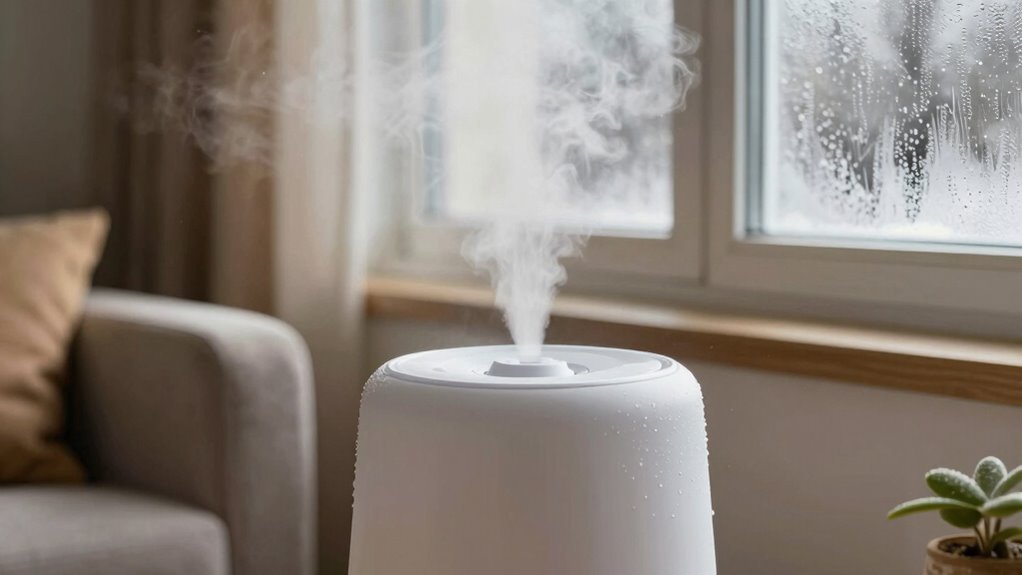
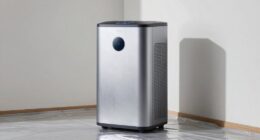
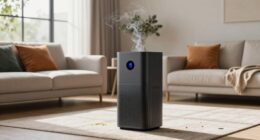
Using a humidifier is an effective way to increase indoor moisture levels when the air feels dry, especially during winter. To guarantee it works well, perform regular humidifier maintenance—clean it according to the manufacturer’s instructions to prevent mold and bacteria buildup. For natural humidity sources, consider placing bowls of water near heat sources or hanging damp towels in rooms; these can add moisture without electricity. Adjust your humidifier’s settings to maintain the ideal humidity level, typically between 30% and 50%. Using a hygrometer helps you monitor these levels accurately. Proper maintenance and leveraging natural sources enhance indoor humidity ensuring consistent humidity, making your environment more comfortable and reducing skin itchiness caused by dry air. Incorporating outdoor wisdom such as monitoring weather patterns can help you anticipate and manage indoor humidity needs more effectively.
Signs of Too Low or Too High Humidity and How to Fix Them

When humidity levels fall too low or rise too high, your indoor environment can quickly become uncomfortable or even harmful. Low humidity often causes skin irritation, chapped lips, and increased respiratory issues, while high humidity promotes mold growth and musty odors. To identify these issues, check for signs like peeling skin, static shocks, or visible mold. Maintaining optimal airflow can also help regulate humidity levels effectively. Proper ventilation and humidity control systems are essential for keeping indoor air quality balanced and comfortable. Additionally, using a hygrometer can help you precisely monitor indoor humidity levels to prevent these problems.
Frequently Asked Questions
Can Adjusting Humidity Levels Improve Skin Conditions During Winter?
Adjusting humidity levels can substantially improve your skin conditions during winter. By maintaining ideal humidity, you enhance skin hydration and boost moisture retention, preventing dryness and itchiness. When you keep indoor humidity around 40-50%, you create an environment that supports healthier skin, reduces irritation, and keeps your skin soft. So, don’t overlook humidity control—it’s a simple way to protect your skin and maintain comfort during cold, dry months.
Are There Health Risks Associated With Maintaining Too High Indoor Humidity?
Imagine a cozy room, but if your humidity gets too high, it’s like inviting unwelcome guests—indoor mold and dust mites—who thrive in dampness. Too much moisture can cause allergic reactions, worsen asthma, and lead to respiratory issues. Keep your humidity balanced, around 30-50%, to prevent these health risks, so your space remains comfortable without fostering mold or dust mites that could harm your health.
How Often Should I Calibrate My Humidity Monitor for Accuracy?
You should calibrate your humidity monitor at least once every six months to guarantee sensor calibration and maintain humidity accuracy. Regular calibration helps catch drift in sensor readings, preventing inaccurate humidity levels that can cause dryness or excess moisture. Use a reliable calibration kit or compare readings with a known accurate device. Consistent calibration keeps your humidity levels precise, protecting your skin and home environment during dry winter months.
Do Different Types of Humidifiers Impact Indoor Air Quality Differently?
Think of humidifiers as different musical instruments shaping your indoor air. Evaporative humidifiers naturally add moisture without extra noise, while ultrasonic devices produce a fine mist quickly. Evaporative models tend to improve air quality by filtering impurities, but ultrasonic devices can sometimes release tiny particles if not maintained. Choose based on your needs, but always clean your humidifier regularly to keep your indoor air fresh and healthy.
What Are Natural Ways to Increase Indoor Humidity Without Devices?
You can naturally increase indoor humidity by keeping plants well-hydrated and misting them regularly. Cooking methods like boiling water or simmering soups release moisture into the air, boosting humidity levels. Additionally, placing bowls of water near heat sources or drying clothes indoors can help add moisture. These simple techniques improve air quality and comfort without needing devices, making your home a more pleasant, itch-free environment.
Conclusion
If you think dry winter air isn’t a big deal, think again. The right humidity level can be your secret weapon against itchy skin and discomfort—but only if you get it just right. Miss the mark, and you might face dry, irritated skin or mold issues. So, are you ready to find that sweet spot? Keep monitoring, adjusting, and stay ahead of winter’s sneaky moisture problems—your comfort depends on it.