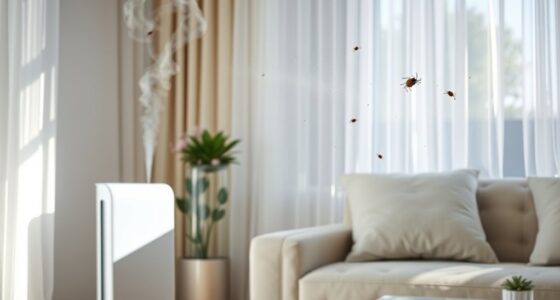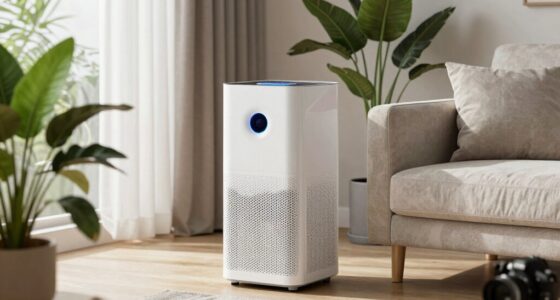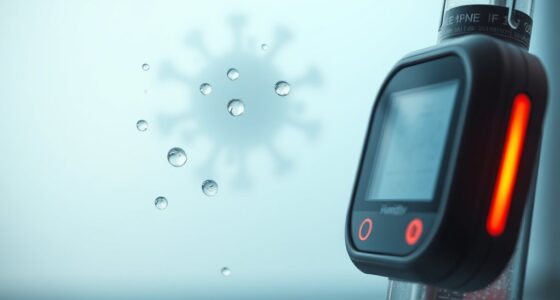
A purifier can help reduce airborne viruses by trapping virus-laden droplets and aerosols, especially if it uses a high-quality HEPA filter that captures particles as small as 0.3 microns. However, it won’t completely eliminate viruses, especially if windows or doors are open or if the device is poorly maintained. To maximize protection, proper placement and regular filter checks matter. Learn more about how to optimize your setup and what limitations to expect if you want all-encompassing virus control.
Key Takeaways
- HEPA filters can trap airborne viruses attached to droplets and aerosols, reducing airborne transmission.
- Proper placement and maintenance of air purifiers are essential for maximizing their effectiveness against viruses.
- Combining HEPA filtration with UV sterilization enhances virus inactivation.
- No air purifier guarantees complete virus removal; filtration should be part of a comprehensive infection control strategy.
- Factors like airflow, room size, and viral mutation influence the purifier’s ability to reduce viruses effectively.
How Do Air Purifiers Capture Viruses and Particles?
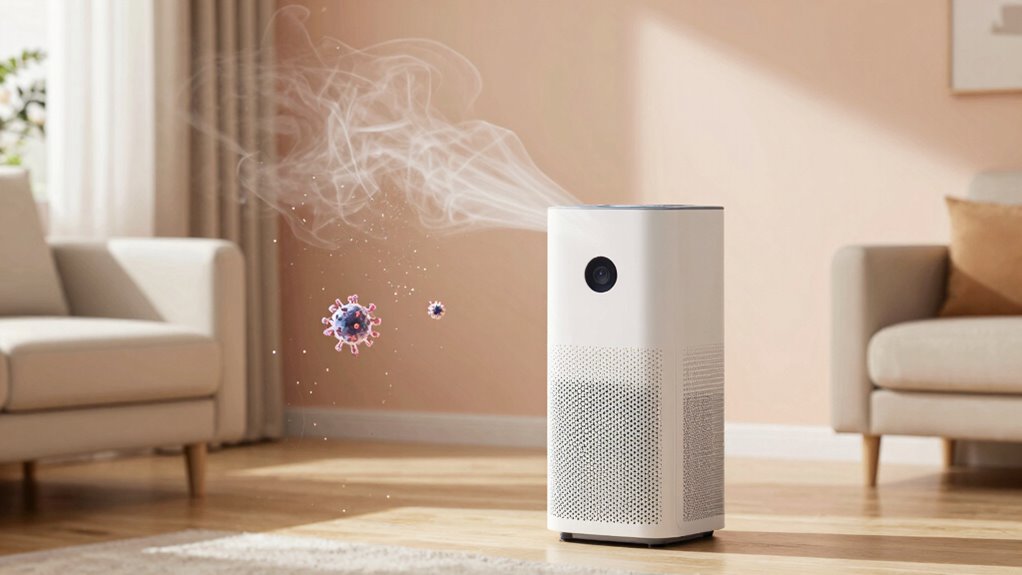
Air purifiers capture viruses and particles by using filters that trap contaminants as air passes through them. The quality of the filter impacts how effectively it can catch tiny particles, including viruses. However, you should consider air purifier noise, especially if you plan to run it in a bedroom or quiet workspace. Noisy units can be distracting or disruptive, making long-term use less appealing. Cost considerations also come into play—higher-quality filters and more advanced models often come with a higher price tag, but they tend to operate more efficiently and last longer. It’s essential to weigh these factors when choosing an air purifier, balancing upfront costs, noise levels, and filtration capabilities to find the best fit for your needs. Additionally, understanding filter efficiency helps you select a device capable of effectively capturing the smallest airborne pathogens. Proper maintenance, such as regular filter replacements, is crucial to maintaining filter performance over time. Furthermore, staying informed about filter technology can help you choose models with the most effective virus-capturing capabilities. Regularly checking filter replacement schedules ensures optimal operation and sustained virus filtration efficiency.
Which Filters Are Most Effective Against Viruses?

When selecting filters for virus removal, HEPA filters stand out as the most effective option. They can trap particles as small as 0.3 microns, including many airborne viruses. While HEPA filters are highly effective, consider air purifier costs, as high-quality models with HEPA filtration tend to be more expensive. However, their durability and efficiency often justify the investment. It’s also important to remember that virus mutation can lead to new strains that might slightly alter particle sizes, but HEPA filters still perform well against most variants. Other filters, like activated carbon, mainly target odors and gases, not viruses. Overall, choosing a purifier with a true HEPA filter offers the best protection against airborne viruses today. Proper filtration is crucial for ensuring the effectiveness of your air purifier in virus removal. Additionally, understanding air quality standards can help you select the most suitable device for your needs. A thorough understanding of air filtration technology can further enhance your ability to choose the most effective purifier for your environment. For example, knowing how filter efficiency impacts virus removal can help you make more informed decisions. Keeping up with the latest advancements in filtration can also ensure you select a device that provides optimal protection.
Can Air Purifiers Fully Eliminate Viruses Indoors?
Can air purifiers fully eliminate viruses indoors? Not entirely. While high-quality purifiers with HEPA filters can trap many virus particles, they don’t guarantee complete elimination. Indoor humidity levels also play a role; too low or too high humidity can impact virus survival and transmission. Maintaining ideal humidity (around 40-60%) helps reduce airborne viruses. Additionally, some purifiers incorporate UV sterilization, which can inactivate viruses on contact. Proper air filtration also depends on the purifier’s placement and airflow, influencing its effectiveness. Proper airflow management enhances the purifier’s ability to circulate and filter air efficiently. Furthermore, understanding air quality factors can help optimize the overall effectiveness of virus mitigation strategies. Effective air quality management involves monitoring and adjusting multiple environmental variables to support virus control efforts. However, UV sterilization’s effectiveness depends on proper exposure time and design. Even with these features, no purifier can guarantee 100% virus removal. Combining good ventilation, proper humidity, and air purification creates a stronger defense but doesn’t replace other safety measures. Understanding air quality is essential for effective virus mitigation. So, while purifiers considerably reduce risk, they don’t fully eliminate viruses indoors.
How to Use Your Air Purifier for Maximum Virus Reduction
To maximize virus reduction with your air purifier, guarantee it is positioned correctly within your space. Proper placement ensures ideal airflow and coverage. Keep your air purifier well-maintained; regular air purifier maintenance, such as changing filters, keeps it working efficiently against virus particles. Be aware that virus mutation can affect filtration efficacy, so stay informed about filter updates. Additionally, understanding HEPA filtration can significantly improve its ability to capture small virus particles effectively. Regularly inspecting your unit and adhering to the manufacturer’s maintenance guidelines can help sustain optimal performance. Ensuring proper airflow patterns can also enhance the overall effectiveness of your purifier. Properly calibrated air circulation within the room can further improve filtration results. Here are four tips for best results:
- Place the purifier in central locations or rooms with high occupancy.
- Avoid obstructions that block airflow around the device.
- Run the purifier continuously, especially during peak activity.
- Check and replace filters promptly to maintain peak performance.
Following these steps helps improve virus reduction and ensures your air purifier remains effective against evolving virus strains.
Limitations of Air Purifiers in Preventing Viral Spread
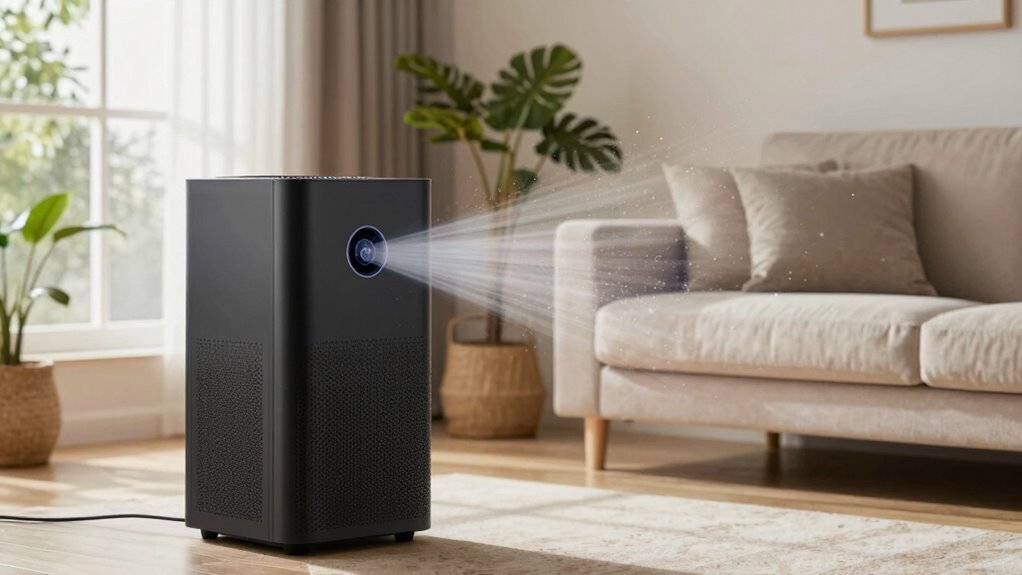
Air purifiers can only remove viruses that pass through their filters, so some particles might still escape. Your purifier’s placement and airflow also influence how well it reduces viral spread, which means not every spot in your space gets equal protection. Keep these limitations in mind to guarantee you’re not overestimating what your device can do. Additionally, understanding indoor air quality and humidity levels can further help reduce the presence and transmission of viruses indoors. Proper air filtration practices, such as regular filter replacement and choosing the right device, are essential to maximize effectiveness. Recognizing how airflow patterns impact virus distribution can also aid in optimizing your purifier’s efficiency.
Filtration Limits Viral Removal
While air purifiers can reduce airborne particles, they have limitations when it comes to fully preventing viral spread. Filtration efficiency depends on the filter type and viral characteristics, which can be affected by viral mutation. Here are some key points:
- Standard filters may not catch all virus particles, especially smaller ones that can slip through.
- Viral mutation can alter particle size, making filtration less effective over time.
- Air circulation plays a role; poor circulation limits purifier effectiveness in removing viruses from all areas.
- Air purifiers typically work best in static, contained spaces, but viruses can still spread through open doors and windows.
Ultimately, filtration alone can’t guarantee complete viral removal, especially when considering viral mutation and airflow dynamics.
Airflow and Placement Effects
Even with effective filters, the placement and airflow patterns of your air purifier substantially influence how well it can reduce viral spread. Airflow dynamics determine how air circulates within a room and whether contaminated particles reach the purifier efficiently. If the purifier is placed too far from common sources of viral particles, such as near a person’s breathing zone or in stagnant air zones, its effectiveness diminishes. Proper purifier placement ensures ideal airflow, allowing it to capture airborne viruses before they disperse widely. Avoid placing it behind furniture or in corners where airflow is restricted. By understanding airflow dynamics and positioning your purifier strategically, you improve its ability to clear the air, but it alone cannot guarantee complete viral prevention.
Do HEPA Filters Really Protect You From Viruses?

HEPA filters are designed to trap tiny particles, but how effective are they at capturing viruses? Their filtration efficiency levels determine how well they can block viral particles from passing through. To stay protected, you also need to guarantee proper filter maintenance and regular replacement.
Filtration Efficiency Levels
Do HEPA filters truly offer reliable protection against viruses? Not entirely on their own. Their filtration efficiency depends on the filter’s level and additional features. Here’s what to contemplate:
- HEPA filters can trap 99.97% of particles as small as 0.3 microns, but some viruses are smaller, so combining with UV sterilization enhances effectiveness.
- Activated carbon filters remove odors and gases, but don’t directly impact viruses, though they improve overall air quality.
- Filtration efficiency varies by product, with some models including pre-filters for larger particles.
- For all-encompassing protection, look for purifiers with UV sterilization, which can inactivate viruses, complementing filtration levels.
Virus Particle Capture
While HEPA filters are highly effective at capturing many airborne particles, their ability to trap viruses depends on particle size and filter design. Viruses are tiny, often ranging from 0.02 to 0.3 microns, but they usually hitch a ride on larger droplets or aerosols during airborne transmission. HEPA filters can capture these larger respiratory droplets and aerosolized particles, reducing the chance of inhalation. However, if viruses settle on surfaces, surface contamination becomes a concern, as filters don’t address pathogens on surfaces. This means that even with a HEPA filter in place, you should still practice surface cleaning and good hygiene. The filter’s role is crucial for airborne transmission, but it’s just one part of an all-encompassing infection control strategy.
Proper Filter Maintenance
Proper filter maintenance is essential to guarantee your HEPA filters continue to effectively reduce airborne viruses. Neglecting this can lead to increased air purifier noise, reduced filter lifespan, and diminished virus filtration efficiency. To keep your purifier functioning at its best:
- Regularly check and replace filters according to manufacturer guidelines.
- Clean air intake and outlet vents to prevent dust buildup.
- Avoid running the purifier continuously at high speeds; adjust settings as needed.
- Monitor for unusual air purifier noise, which may signal a clogged filter or mechanical issue.
Maintaining your filter ensures it captures viruses effectively and extends its lifespan, saving you money and improving air quality. Proper care is vital for your purifier to serve its purpose reliably.
Frequently Asked Questions
How Long Does It Take for an Air Purifier to Reduce Virus Levels?
It usually takes about 15 to 30 minutes for an air purifier to ideally reduce virus levels, depending on its air exchange rate and room size. As the purifier runs, it facilitates virus decay by continuously filtering and circulating air. For maximum results, keep the purifier on consistently, especially in high-traffic or enclosed spaces, to effectively lower airborne viruses and maintain cleaner air.
Are There Specific Brands Best for Virus Filtration?
Some brands stand out for virus filtration due to their effectiveness and filter quality. Look for brands with high MERV or HEPA ratings, as they capture tiny particles like viruses better. Brands like Dyson, Honeywell, and Blueair are known for their effectiveness. Remember, regular filter replacement is vital to maintain filtration efficiency. Choose a brand that offers easy access to replacements and clear guidance on maintenance to guarantee ongoing virus protection.
Can Air Purifiers Prevent Virus Transmission Between Rooms?
Imagine a gentle breeze sweeping through your home, but instead of fresh air, it’s filtering out virus particles. While air purifiers can reduce virus transmission between rooms, their effectiveness depends on room size and filter types like HEPA or UV. Placing purifiers strategically in shared spaces helps create a barrier, but don’t rely solely on them; proper ventilation and hygiene are essential for real protection.
What Maintenance Is Required for Optimal Virus Filtration?
To keep your air purifier effectively filtering viruses, you need to regularly replace the filters as recommended by the manufacturer, usually every 6-12 months. Additionally, clean the fan and exterior surfaces to prevent dust buildup, which can hinder performance. Check for signs of wear or damage, and ensure the purifier is functioning properly. Proper maintenance maximizes virus filtration, ensuring cleaner, safer air in your space.
Do Air Purifiers Work Against All Types of Airborne Viruses?
Air purifiers don’t work against all airborne viruses because virus sizes vary greatly, and some are tiny enough to slip through filters. HEPA filters excel at capturing larger viruses, but UV-C purifiers target smaller ones. You need the right air purifier type for the specific viruses in your environment. While they considerably reduce airborne pathogens, they’re not foolproof against every virus, especially the smallest or most resilient strains.
Conclusion
While air purifiers can substantially reduce airborne viruses, they aren’t foolproof shields. Imagine turning on your purifier, hoping for total protection, only to realize some viruses might slip through. The truth is, they’re a valuable tool—but not the entire solution. So, as you breathe easier, remember there’s still more to contemplate. Will your current setup truly keep you safe? The answer might surprise you. Stay informed, stay cautious.