
TL;DR
Lagos’s waste collection system is failing, leading to streets and bus stops becoming refuse dumps. This raises health and environmental concerns, with officials yet to resolve the issue.
Lagos’s streets and bus stops are now overwhelmed with refuse as the city’s waste collection system deteriorates, leading to widespread environmental and health concerns. The failure of waste management services has left residents and commuters facing unsanitary conditions, with authorities yet to implement effective solutions.

Get home appliances delivered free with Prime
- Fast, free delivery on millions of items
- Prime Video, Amazon Music and more included
- Member-only deals all year
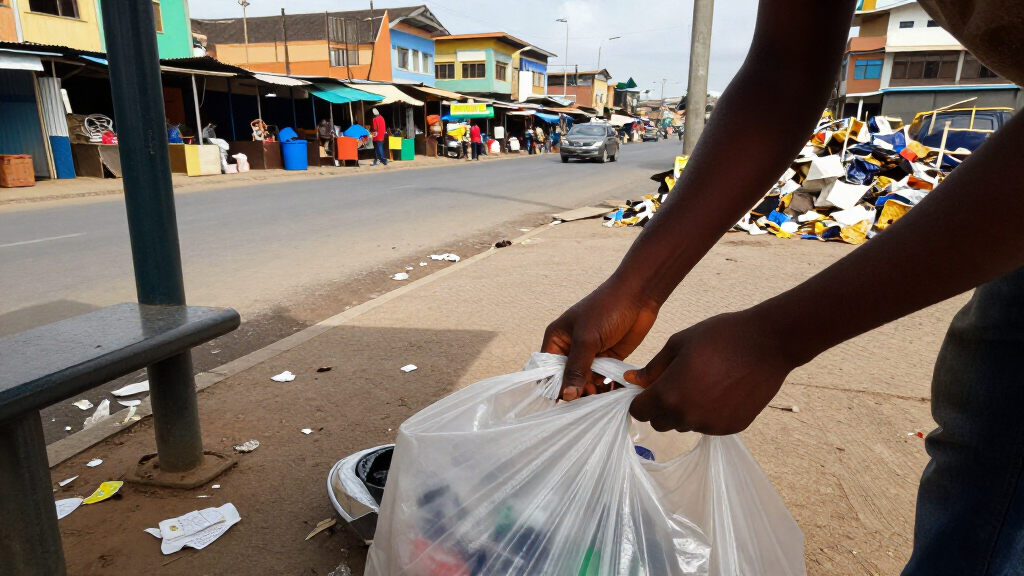
Photographs captured across multiple Lagos neighborhoods show streets and bus stops littered with garbage, some piled up for days. According to local residents and commuters, the waste collection system has significantly broken down in recent weeks. The Lagos State Waste Management Authority (LAWMA) has acknowledged disruptions but has not provided a clear timeline for full service restoration.
Sources indicate that the failure is partly due to logistical challenges, including fuel shortages, insufficient waste collection trucks, and staffing issues. The situation has worsened as the rainy season begins, causing waste to accumulate and create breeding grounds for pests and disease vectors.
Health officials warn that the accumulation of refuse increases the risk of cholera, malaria, and other communicable diseases, especially in densely populated areas.
Environmental and Public Health Risks from Uncollected Waste
The failure of Lagos’s waste management system poses serious public health and environmental risks. Accumulated refuse can lead to the spread of diseases such as cholera and malaria, especially in crowded neighborhoods. The situation also undermines the city’s efforts to maintain cleanliness and improve urban living conditions, potentially affecting tourism and economic activity.
Products Worth Considering

Dyson V9 Motorbar Cordless Vacuum

eufy C28 Robot Vacuum and Mop with 15,000 Pa Suction

Levoit Vital 100S-P Air Purifier with Washable Pre-Filter
As an affiliate, we earn on qualifying purchases.
Recent Challenges Facing Lagos Waste Management System
Over the past year, Lagos has faced recurring issues with waste collection, exacerbated by funding constraints, logistical problems, and increasing population density. The recent breakdown of services is part of a broader pattern of inefficiencies and inadequate infrastructure investment. Lagos’s rapid urban growth has outpaced existing waste management capacity, leading to frequent service disruptions.
Previous attempts at reform, including private sector involvement, have faced hurdles, and the current situation highlights the urgent need for sustainable waste management strategies.
“The streets have become filthy, and it’s dangerous for children and commuters. We need urgent action.”
— Local resident, Mrs. Adebisi Oluwole
Unclear Timeline for Waste Collection Restoration
It is not yet clear when Lagos’s waste collection services will return to normal. LAWMA has not provided a specific timeline, and ongoing logistical and funding issues continue to hamper efforts. The full extent of the breakdown and the potential for long-term impact remain uncertain.
Next Steps for Lagos Waste Management Recovery
Authorities are expected to announce measures to address logistical challenges, including deploying additional trucks and personnel. Community awareness campaigns and interim waste disposal strategies may also be introduced. Monitoring will continue to assess the effectiveness of these interventions and whether the situation improves in the coming weeks.
Key Questions
What caused the waste collection system to falter in Lagos?
The breakdown is attributed to logistical issues such as fuel shortages, insufficient trucks, staffing problems, and broader funding constraints.
What health risks does the uncollected waste pose?
Accumulated refuse increases the risk of diseases like cholera, malaria, and other infections, especially in densely populated areas.
Are there any immediate measures to address the waste crisis?
Officials have indicated ongoing efforts to deploy additional resources, but no specific short-term solutions have been announced yet.
How is the community affected by the waste crisis?
Residents face unsanitary conditions, increased health risks, and inconvenience, especially at busy bus stops and markets.
What long-term solutions are being considered?
Experts suggest investing in sustainable waste management infrastructure and exploring private sector partnerships, but details are still under discussion.
Source: local