
To improve air quality and save energy, start by weatherproofing your home with insulation upgrades and draft sealing. Adding high-quality insulation keeps indoor temperatures steady and reduces your energy bills, while sealing gaps around windows, doors, and vents prevents drafts and pollutants from entering. Combining these measures creates a more airtight, healthier space that resists seasonal weather changes. Keep going to discover how these solutions work together for maximum comfort and efficiency.

Get home appliances delivered free — and shop member deals
- Fast, free delivery on millions of items
- Access to Prime Big Deal Days deals on October 6–7
- Prime Video, Amazon Music and more included
Key Takeaways
- Upgrade insulation in attics, walls, and floors to improve thermal barrier and reduce energy costs.
- Seal gaps around windows, doors, outlets, and vents with weatherstripping or caulk to prevent drafts.
- Combine insulation and draft sealing for an airtight home that maintains consistent indoor temperatures.
- Improve indoor air quality by reducing pollutants and allergens through effective sealing and ventilation.
- Regularly assess and maintain weatherproofing measures to maximize energy savings and home comfort.
Preparing your home for changing weather conditions is essential to prevent damage and save energy. As the seasons shift, making sure your house can withstand the elements becomes a priority. One of the most effective ways to do this is by focusing on insulation upgrades and draft sealing. These improvements not only protect your home from weather-related issues but also enhance indoor air quality and reduce energy costs.
Start by evaluating your current insulation. If your home feels drafty or you notice uneven temperatures, it’s likely time for insulation upgrades. Proper insulation acts as a barrier, keeping warm air inside during winter and blocking heat from entering during summer. Upgrading your attic, walls, and floors with high-quality insulation materials can considerably improve your home’s energy efficiency. When you invest in better insulation, you’ll notice reduced heating and cooling bills, and your HVAC system won’t have to work as hard to maintain comfortable indoor temperatures. This not only saves you money but also extends the lifespan of your equipment.
Evaluating and upgrading your insulation improves energy efficiency and prolongs your HVAC system’s lifespan.
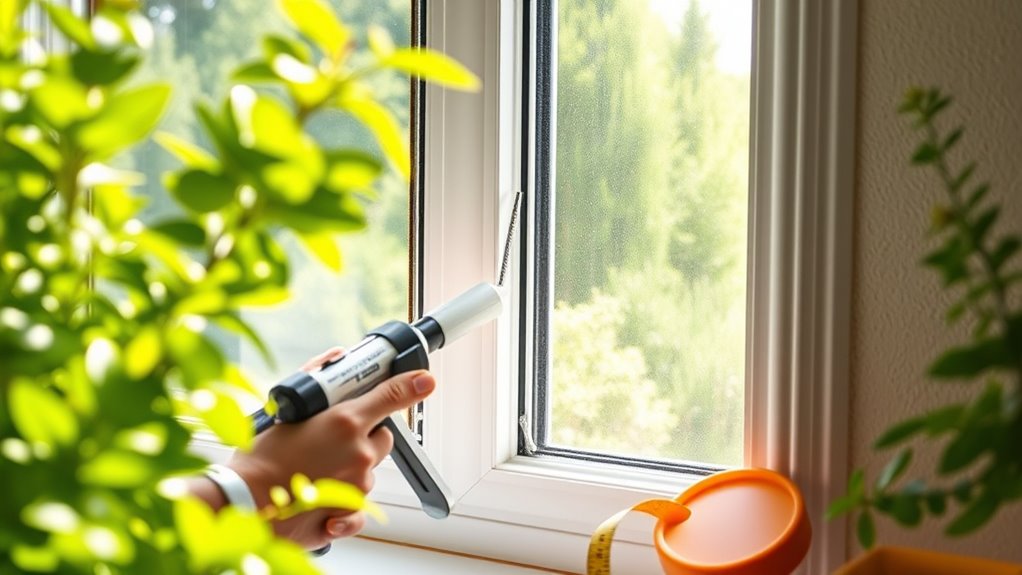
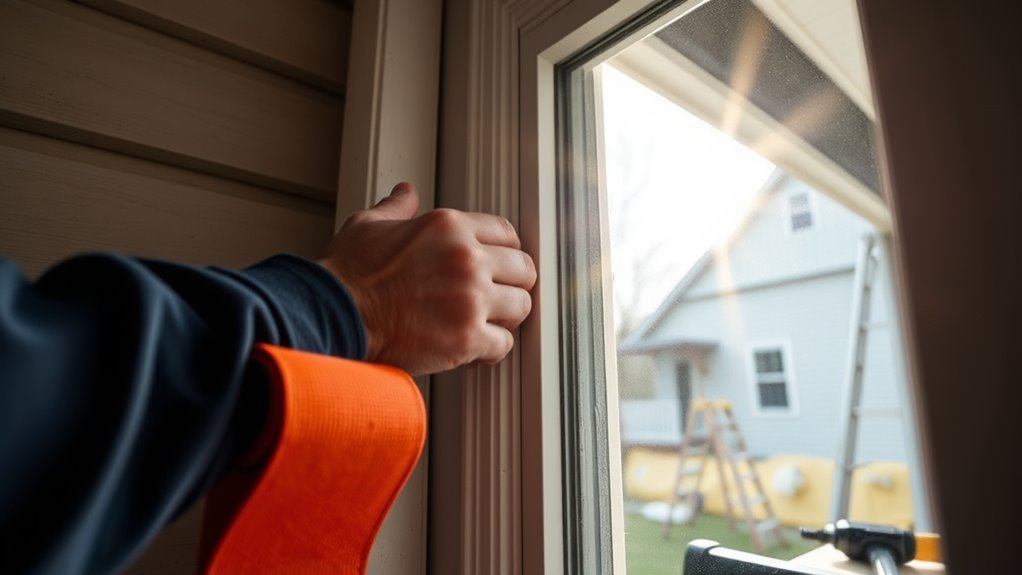
Draft sealing is equally important. Small gaps around windows, doors, electrical outlets, and vents can let in cold drafts or allow conditioned air to escape. These tiny openings might seem insignificant, but they can cause a notable increase in energy consumption over time. By sealing these drafts with weatherstripping, caulk, or foam sealants, you create a tighter home envelope that prevents unwanted airflow. This step is straightforward and cost-effective, yet it yields impressive results in maintaining consistent indoor temperatures and improving air quality. When drafts are sealed, fewer pollutants and allergens enter your home, leading to better air quality and a healthier living environment.
Furthermore, integrating weatherproofing measures with proper ventilation can help maintain indoor air quality while keeping energy costs down. Combine insulation upgrades with draft sealing for maximum benefit. These actions work together to create a well-insulated, airtight home that resists the elements and maintains a steady, comfortable climate inside. Not only will your home be more resilient against weather extremes, but you’ll also enjoy increased energy savings and a reduction in your carbon footprint. Remember, small improvements can add up to substantial benefits over time, making your home more comfortable, healthier, and more energy-efficient. Taking these proactive steps now ensures you’re prepared for any season, protecting your investment and enhancing your quality of life.
As an affiliate, we earn on qualifying purchases.
Frequently Asked Questions
What Are the Most Cost-Effective Weatherproofing Upgrades?
When choosing the most cost-effective upgrades, focus on budget-friendly weatherproofing options that deliver the best value. Seal gaps around windows and doors with affordable weatherstripping, which can substantially reduce drafts. Adding caulking to seal cracks in your walls is another easy, budget-friendly upgrade. These simple steps are highly effective, low-cost, and can immediately improve your home’s energy efficiency and air quality without breaking the bank.
How Often Should I Reseal Windows and Doors?
Like a well-tuned instrument, your home’s efficiency depends on timely maintenance. You should reseal your windows and doors at least once a year, especially before extreme weather seasons. Regularly check window insulation and door sealing for drafts or cracks, and reapply caulk or weatherstripping as needed. This keeps air leaks at bay, improves energy savings, and maintains a comfortable indoor environment year-round.
Can Weatherproofing Reduce Outdoor Noise Pollution?
Weatherproofing your home can indeed reduce outdoor noise by improving sound insulation. When you seal gaps around windows and doors, you block out more outdoor noise, creating a quieter indoor environment. Adding weatherstripping or specialized acoustic seals enhances soundproofing, making it easier to relax or concentrate. So, if outdoor noise pollution bothers you, investing in weatherproofing measures can considerably improve your home’s sound insulation and overall comfort.
Are There Eco-Friendly Weatherproofing Materials Available?
Yes, eco-friendly weatherproofing materials are available. You can choose sustainable insulation options made from recycled or natural materials, reducing environmental impact. Biodegradable sealants are also a great choice, as they provide effective sealing without harming the planet. By opting for these eco-friendly materials, you help protect the environment while improving your home’s energy efficiency and air quality. It’s a smart, sustainable way to enhance your home.
How Does Weatherproofing Impact Indoor Humidity Levels?
Imagine your home as a living organism—weatherproofing acts like its immune system. By improving insulation efficiency and moisture control, you directly influence indoor humidity levels. Proper sealing prevents excess moisture from entering or escaping, helping maintain a stable environment. This balance reduces mold growth and allergens, creating healthier air. So, weatherproofing isn’t just about energy; it’s about crafting a comfortable, balanced space you can breathe easy in.
As an affiliate, we earn on qualifying purchases.
Conclusion
Weatherproofing your home might seem like a hassle, but the benefits are worth it. Not only will you enjoy better air quality and lower energy bills, but you’ll also feel more comfortable year-round. Think it’s too complicated? Just start small—seal those gaps and add insulation gradually. Trust me, once you see the savings and breathe easier, you’ll wonder why you waited. Take the first step today—your home will thank you!
As an affiliate, we earn on qualifying purchases.
energy-efficient attic insulation
As an affiliate, we earn on qualifying purchases.
As an affiliate, we earn on qualifying purchases.
NFL season / tailgating Picks
team gear
As an affiliate, we earn on qualifying purchases.