You can make spring cleaning easier on sensitive lungs by using natural, low-chemical products like vinegar, baking soda, and lemon, which are safer and gentler. Damp dusting helps trap dust and allergens instead of dispersing them into the air, reducing irritation. Ventilate your space by opening windows or cleaning outdoors, and wear masks if needed. Incorporate HEPA filters and low-VOC cleaners to further improve air quality. Keep exploring for more tips to breathe easier during your cleaning routine.
Key Takeaways
- Use natural cleaning agents like vinegar, baking soda, and lemon to reduce chemical fumes and respiratory irritants.
- Employ damp cloths for surface cleaning to trap dust and minimize airborne particles.
- Incorporate HEPA air purifiers to effectively remove airborne allergens and improve indoor air quality.
- Ventilate rooms by opening windows or outdoor cleaning when weather permits to reduce dust and chemical buildup.
- Wear masks and choose low-VOC cleaning products to protect sensitive lungs during spring cleaning.
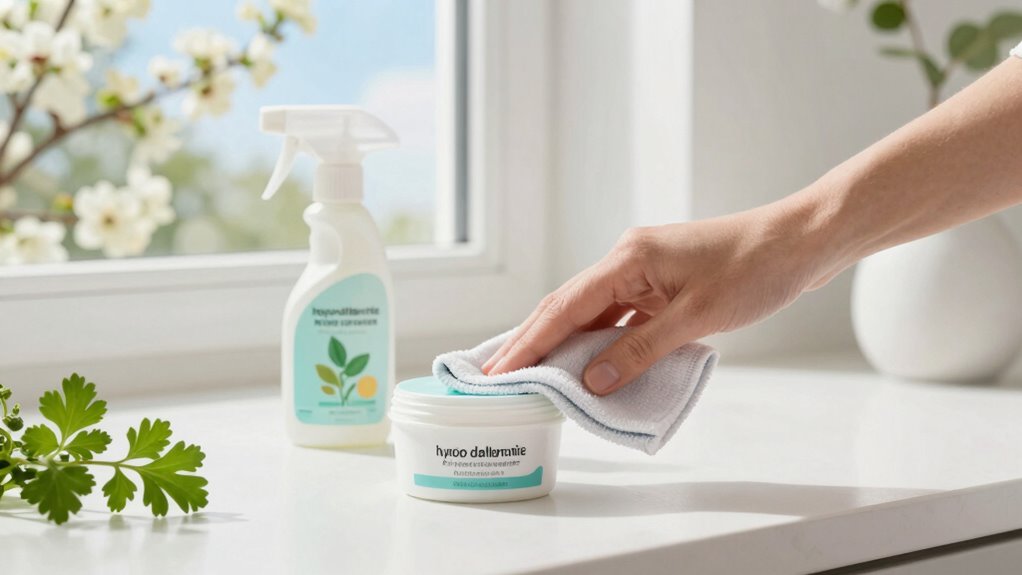
Spring cleaning can be challenging for those with sensitive lungs, but with the right approach, you can refresh your space without risking irritation. Traditional cleaning methods often involve strong chemicals and harsh detergents that can trigger allergies or asthma symptoms. To make the process easier on your lungs, focus on low-product cleaning techniques that prioritize air quality and natural alternatives.
Start by investing in an air purifier. These devices help remove airborne particles like dust, pollen, pet dander, and mold spores, which are common culprits for respiratory issues. Running an air purifier during and after cleaning ensures that the air remains clean and minimizes the chance of irritants lingering in your space. Look for models with HEPA filters, as they are highly effective at trapping tiny particles without releasing harmful emissions back into the air.
Next, opt for natural alternatives whenever possible. Vinegar, baking soda, and lemon are versatile cleaning agents that cut through grime without the fumes associated with chemical cleaners. For example, a mixture of vinegar and water makes an excellent all-purpose cleaner, and baking soda works well for deodorizing carpets and upholstery. These options not only reduce chemical exposure but also tend to be safer for sensitive lungs and the environment.
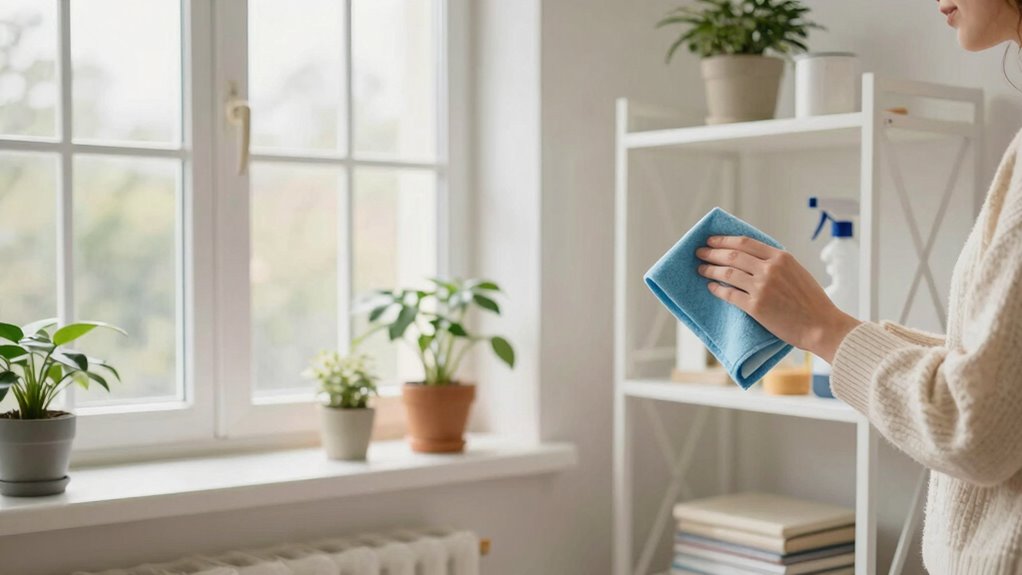
When cleaning surfaces, use damp cloths instead of dry dusting, which can stir up dust into the air. Wet cleaning traps dust and allergens instead of dispersing them. Using damp cloths is especially effective for reducing airborne particles and maintaining better air quality. Also, consider wearing a mask if you’re especially sensitive or if dust levels are high. Keep windows open to ventilate the space while cleaning to help exhaust airborne particles outside. If weather permits, outdoor cleaning can be a great way to reduce indoor airborne irritants altogether. Incorporating air quality improvement strategies, such as using HEPA vacuums and natural cleaners, further supports a healthier environment. Additionally, choosing low-VOC cleaning products can significantly decrease the presence of harmful fumes in your home.

LEVOIT Air Purifier for Home Allergies Pet Hair in Bedroom, Covers Up to 1073 ft² by 56W High Torque Motor, AHAM VERIFIDE, 3-in-1 Filter with HEPA Sleep Mode, Remove Dust Smoke Odor, Core300-P, White
WHY CHOOSE AHAM VERIFIDE AIR PURIFIERS: AHAM (Association of Home Appliance Manufacturers) is an ANSI-accredited organization that sets…
As an affiliate, we earn on qualifying purchases.
As an affiliate, we earn on qualifying purchases.
Frequently Asked Questions
Can This Method Remove Pet Dander Effectively?
Yes, this method can effectively remove pet dander by targeting pet allergens, reducing their presence in your home. Regularly using air filtration systems helps trap airborne pet allergens, preventing them from settling on surfaces or being inhaled. Combining surface cleaning with air filtration improves overall effectiveness, making your space healthier and safer, especially for sensitive lungs. You’ll notice less pet dander in the air and on surfaces with consistent use.
Is It Safe for Individuals With Asthma?
If you have asthma, you’ll find this cleaning method generally safe because it improves air quality without harsh chemicals. Did you know poor air quality worsens asthma symptoms in over 25 million Americans? This technique minimizes airborne dust and allergens, supporting respiratory health. Just make certain good ventilation during cleaning, and consider wearing a mask if needed. Always consult your doctor for personalized advice, but overall, it’s a gentle way to keep your space clean.
What Cleaning Products Are Recommended?
You should opt for eco-friendly solutions and natural alternatives for cleaning products. Look for items like vinegar, baking soda, and lemon juice, which effectively clean without harsh chemicals. These options are safer for sensitive lungs and reduce irritation. You can also find eco-friendly cleaning sprays made from natural ingredients. Using these natural alternatives helps keep your home fresh and safe, especially if you or someone in your household has respiratory sensitivities.
How Often Should I Perform This Cleaning?
You should perform this cleaning at a moderate frequency—once a season or every three months—aligning with a seasonal schedule. Regularly updating your routine guarantees your space stays fresh, reduces allergens, and keeps your lungs healthier. Stick to this schedule, stay consistent, and you’ll enjoy a cleaner environment without overdoing it. Remember, balancing cleaning frequency helps maintain a healthy home for your sensitive lungs.
Does This Method Eliminate Mold and Dust Mites?
Yes, this method helps eliminate mold and dust mites, improving air quality and reducing allergens in your home. By using gentle, targeted cleaning techniques, you remove the primary sources of these allergens without harsh chemicals. Regularly maintaining this routine keeps mold and dust mites at bay, making it easier for you to breathe comfortably and enjoy a healthier living space. Consistent cleaning is key to allergen reduction and better air quality.

Originally Yellow Lemon Vinegar All Purpose Cleaning Spray | Distilled Cleaning Vinegar | Plant-Derived All Purpose Cleaner | Living Room, Bathroom, & Kitchen | 3 Pack
ALL-PURPOSE VINEGAR SPRAY – There’s nothing quite like a great all purpose cleaner spray for those quick cleanup…
As an affiliate, we earn on qualifying purchases.
As an affiliate, we earn on qualifying purchases.
Conclusion
By choosing this gentle spring cleaning method, you’re not just tidying up—you’re practically shielding your lungs from an army of sneezing monsters and cough monsters. Imagine a world where your sensitive lungs breathe freely without the chaos of harsh chemicals or overpowering fumes. This method isn’t just easier; it’s like giving your lungs a luxurious spa day every day. Embrace it, and watch your health and home blossom in perfect harmony!

Seventh Generation All Purpose Cleaner, Free & Clear, 23 oz, Pack of 4, Plant-Based Cleaning Spray, Cuts Grease & Grime, No Fragrance or VOCs, Safe for Kids & Pets, Works on Glass, Sealed Wood & More
Plant-Powered Cleaning for Daily Messes: This all-purpose cleaner helps tackle grease, grime, stains, and soap scum across countertops,…
As an affiliate, we earn on qualifying purchases.
As an affiliate, we earn on qualifying purchases.

Scrub Daddy Damp Duster Towel – Durable Sponge-Like Dust Cleaner for Multisurface Dusting, Picking Up Pet Hair, Dirt & Grime of All Kinds – Reusable, Soft, Flexible, Absorbent Cleaning Supplies (4ct)
Clean Spills Quickly – Instantly upgrade your cleaning supplies with this versatile dust cleaner. The scratch-free, reusable dusting…
As an affiliate, we earn on qualifying purchases.
As an affiliate, we earn on qualifying purchases.