
TL;DR

Get home appliances delivered free with Prime
- Fast, free delivery on millions of items
- Prime Video, Amazon Music and more included
- Member-only deals all year
Apartment Therapy contributor Stephanie Ganz has republished a professional house cleaner’s simple DIY spray recipe: equal parts distilled water and distilled white vinegar. The article says it can be used on many household surfaces, but warns against using it on wood and natural stone that vinegar may damage.
Apartment Therapy contributor Stephanie Ganz has shared a professional house cleaner’s recipe for a homemade all-purpose cleaning spray, made with equal parts distilled water and distilled white vinegar. The report describes the mixture as a household cleaner for many surfaces, while warning readers not to use it on materials such as wood and natural stone that can be harmed by vinegar’s acidity.
Ganz writes that she began looking for alternatives to store-bought products because several members of her household have eczema or sensitivities to artificial fragrances and dyes. After trying products she describes as either costly or ineffective for her needs, she says a professional house cleaner gave her the recipe a few years ago. Ganz reports that she has used it since, but the article is a personal account rather than a comparative test of cleaning products.
The recipe calls for filling a clean spray bottle with equal amounts of distilled water and distilled white vinegar, then gently shaking the mixture. Ganz says boiled water can be used if distilled water is unavailable. The article also suggests adding about 10 drops of essential oil or other scenting ingredients, such as citrus peels or hardy herbs, as an optional step.
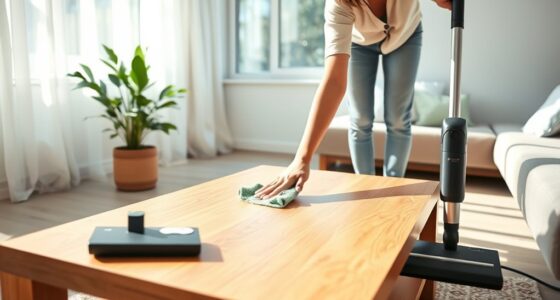
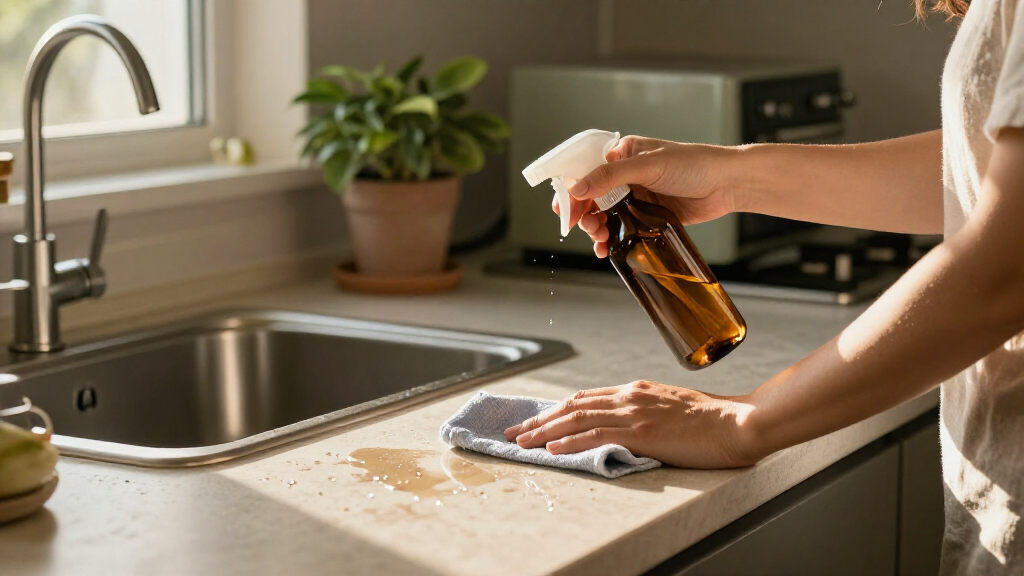
For use, the report recommends spraying the solution onto a suitable surface and wiping with a microfiber cloth. It lists windows, appliances and faucets among possible uses, and says the spray may be used on minor carpet stains. It specifically cautions against using vinegar-based cleaner on wood and natural stone, where the acidity may etch or erode the material. The article advises storing the bottle in a dry place, away from direct sunlight and extreme temperatures.
A Low-Cost Recipe With Limits
The recipe offers readers a two-ingredient alternative to packaged all-purpose cleaners, with potential appeal for households trying to avoid added fragrances or dyes. Reusing a spray bottle may also reduce the need to buy new cleaner containers. Those are practical reasons to consider the mixture, but Ganz’s report does not establish that it is safer for every person, more environmentally beneficial overall, or as effective as commercial products in controlled testing.
The surface warning is a key part of the advice: a solution that may be suitable for some hard surfaces can damage others. Readers should identify the material they plan to clean and follow any care instructions from the manufacturer before applying an acidic mixture. People with skin sensitivities should also avoid assuming that a homemade formula cannot cause irritation.
DIY water and vinegar spray bottle
As an affiliate, we earn on qualifying purchases.
As an affiliate, we earn on qualifying purchases.
Why Ganz Sought a Homemade Cleaner
Ganz frames the recipe around a household need: she says three of the four people in her family have eczema or sensitivities to artificial fragrances and dyes. She describes her search for a store-bought cleaner that worked without aggravating those concerns as frustrating. The article does not identify the family members or provide medical details, and its account should not be treated as medical guidance.
The story is a practical home-cleaning report, not an announcement of a newly developed product. Ganz credits a professional house cleaner with sharing the recipe, but the supplied material does not name that cleaner or say when the cleaner first created it. The central development is the publication of the recipe and the writer’s account of using it over several years.
““I haven’t gone back to the store-bought version since then.””
— Stephanie Ganz, Apartment Therapy contributor
microfiber cleaning cloths for household surfaces
As an affiliate, we earn on qualifying purchases.
As an affiliate, we earn on qualifying purchases.
What the Report Does Not Test
The article presents Ganz’s experience and a recipe passed along by an unnamed professional cleaner; it does not report laboratory testing, comparative cleaning results or medical evaluation. It is unclear which specific surfaces, finishes or kinds of stains were tested, and the report does not establish that the mixture is appropriate for every item described as an appliance or window.
Ganz says a water-and-vinegar solution will last indefinitely, while recommending that batches with added natural ingredients be discarded after about a month. The supplied article does not describe testing behind those storage timelines. Readers should follow product and surface-care guidance, and should not treat the recipe as a disinfectant or assume it replaces a product intended for a specific cleaning or sanitation task.
As an affiliate, we earn on qualifying purchases.
Check Surfaces Before Spraying
The article provides no scheduled follow-up or product launch. Its practical next step for readers is to make the basic mixture only if it suits their cleaning needs, label the bottle, and check the surface manufacturer’s care guidance before use. The spray should be kept off wood and natural stone identified as vulnerable to vinegar’s acidity.
Anyone concerned about eczema or other sensitivities may want to avoid optional essential oils and test a small, inconspicuous area first. The source offers no medical recommendation, and people with ongoing skin concerns should rely on advice from a qualified health professional rather than a household cleaning recipe.
best spray bottles for homemade cleaners
As an affiliate, we earn on qualifying purchases.
As an affiliate, we earn on qualifying purchases.
Key Questions
What is the DIY spray recipe?
Ganz’s report calls for equal parts distilled water and distilled white vinegar in a clean spray bottle, followed by a gentle shake. It says boiled water can be used if distilled water is unavailable.
Which surfaces does the article say to avoid?
The report warns against using the vinegar mixture on wood and natural stone that could be etched or eroded by acidity. Check care instructions for other surfaces before spraying.
Can I add a scent to the cleaner?
The article suggests adding about 10 drops of essential oil or using ingredients such as citrus peels or hardy herbs. It says scented batches should be discarded after about a month; the source does not provide testing for that storage guidance.
Does the report show that the mixture disinfects surfaces?
No. The article shares a household cleaning recipe and Ganz’s experience, but it does not report tests showing that the mixture disinfects or replaces products intended for sanitation.
Source: rss
NFL season / tailgating Picks
team gear
As an affiliate, we earn on qualifying purchases.