
If your Keurig coffee maker is brewing weak, bitter, or just plain bad-tasting coffee, it can be frustrating. Often, the cause is buildup of mineral deposits, residual oils, or improper cleaning. Fortunately, with some simple troubleshooting steps, you can restore your Keurig’s performance and enjoy fresh, flavorful coffee again.
This guide walks you through the essential steps to identify and resolve common issues that lead to bad-tasting coffee, ensuring your Keurig stays in top shape for your daily brew.
Key Takeaways
| Regular Cleaning | Deep cleaning prevents flavor carry-over and buildup. |
| Descaling Frequency | Descale every 3-6 months to remove mineral deposits. |
| Water Quality | Use filtered water for better taste and less mineral buildup. |
| Proper Maintenance | Rinse and clean removable parts regularly. |
| Reusable Filters | Consider using a reusable filter for ground coffee or tap water. |
Step 1: Empty and Rinse the Water Reservoir
- Start by unplugging your Keurig for safety.
- Remove the water reservoir and empty any remaining water.
- Wash the reservoir thoroughly with warm, soapy water to remove any residue or buildup.
- Rinse well and dry completely before reattaching.
Step 2: Clean the Needle and K-Cup Holder
Residue or coffee oils can clog the needle or K-Cup holder, affecting flavor. Use a paperclip or a Keurig cleaning tool to gently clear blockages from the needle. Wipe the K-Cup holder with a damp cloth to remove any leftover coffee grounds or oils.
Step 3: Descale Your Keurig
Mineral buildup is a common cause of bad-tasting coffee. Prepare a descaling solution using a Keurig-approved descaling kit or a mixture of equal parts water and white vinegar. Fill the water reservoir with the solution.
Run a brewing cycle without a K-Cup, and repeat until the reservoir is empty. Follow this with 2-3 cycles of fresh water to rinse out any residual vinegar or descaling solution.
Step 4: Use Filtered or Fresh Water
Tap water can contain minerals or impurities that impact flavor. Using filtered or bottled water can significantly improve taste and reduce mineral buildup, prolonging your machine’s lifespan.
Step 5: Upgrade to a Reusable Filter (Optional)
If you prefer ground coffee or want to control water quality further, consider using the Keurig My K-Cup® Reusable Coffee Filter. It helps prevent mineral deposits and allows you to brew with your favorite grounds, often resulting in better flavor.
The Products in This Guide
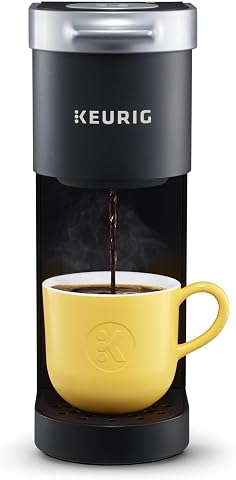
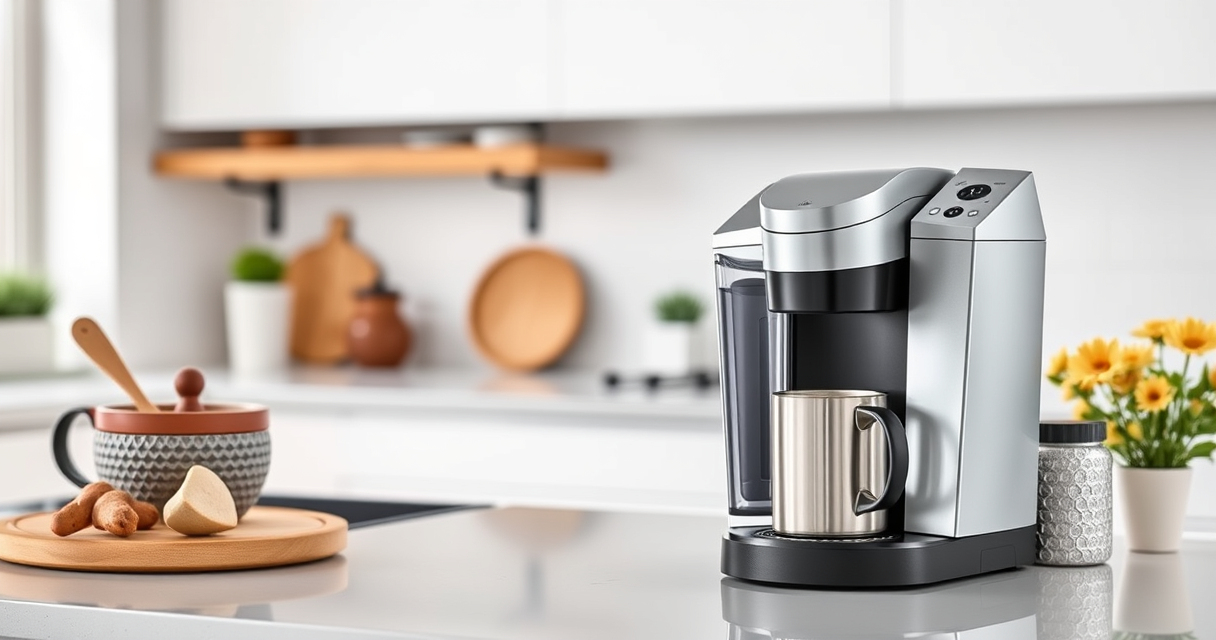
Keurig K-Mini Single Serve K-Cup Pod Coffee Maker
- ✔ Size: Less than 5 inches wide
- ✔ Brew Size: 6-12 oz
- ✔ Weight: 4.7 pounds
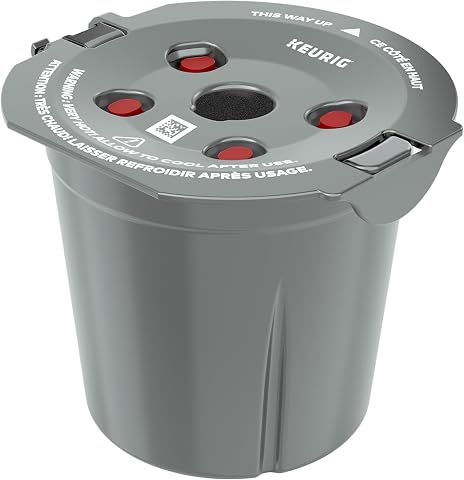
My K-Cup® Reusable Coffee Filter
- ✔ Material: BPA-free plastic
- ✔ Size: Fits most Keurig models
- ✔ Ease of Use: Simple manual filling
Keurig K-Mini Single Serve K-Cup Pod Coffee Maker
The Keurig K-Mini Single Serve K-Cup Pod Coffee Maker is a sleek, space-saving option that fits well on any countertop. Its simple design makes it easy to clean and maintain, which is essential when troubleshooting flavor issues. Regular cleaning and descaling will keep it brewing fresh-tasting coffee.
Pros:
- Compact size fits small spaces
- Fast brewing process
- Removable drip tray for travel mugs
- Auto off for energy savings
Cons:
- Limited to 6-12oz brew sizes
- No built-in water filter
- Requires frequent descaling in hard water areas
Best for: Small households, offices, or travel-friendly coffee brewing
Not ideal for: For those needing larger capacity or advanced features
Bottom line: A compact, reliable brewer that’s easy to maintain and perfect for small spaces.
My K-Cup® Reusable Coffee Filter
The My K-Cup® Reusable Coffee Filter offers a simple way to brew your own ground coffee with your Keurig, helping to avoid flavor issues caused by residue in K-Cups. It’s easy to clean and compatible with the Keurig K-Mini.
Pros:
- Allows use of ground coffee
- Reduces waste from single-use pods
- Easy to clean
- Improves flavor control
Cons:
- Requires manual filling
- Can be messy if overfilled
- Needs regular cleaning
Best for: Coffee enthusiasts who want fresh ground flavor and eco-friendly brewing
Not ideal for: For users preferring convenience over customization
Bottom line: A simple upgrade that enhances flavor and reduces waste with ground coffee.
Frequently Asked Questions
Why does my Keurig taste bad even after cleaning?
Residual mineral deposits, old coffee oils, or mold can cause bad taste. Regular descaling and cleaning with descaling solution or vinegar can resolve this.
How often should I descale my Keurig?
It’s recommended to descale every 3-6 months, especially if you notice a decline in coffee flavor or if you have hard water.
Can I use vinegar to descale my Keurig?
Yes, a mixture of equal parts white vinegar and water is effective. Be sure to run multiple rinse cycles afterward to remove vinegar residue.
What is the best way to prevent bad-tasting coffee?
Use filtered water, clean your machine regularly, descale periodically, and consider using a reusable filter for more control.
Is it safe to use a reusable filter with my Keurig?
Yes, if you choose a Keurig-approved model like the My K-Cup®, it’s safe and can improve flavor quality by allowing you to use fresh ground coffee.
Brewing Better Coffee: Keep Your Keurig in Top Shape
Maintaining your Keurig with regular cleaning, descaling, and using quality water can significantly improve the taste of your coffee. Troubleshooting common issues will prolong your machine’s lifespan and ensure each brew is fresh and flavorful. Remember, a little upkeep goes a long way in enjoying the perfect cup every time.
Affiliate disclosure: As an Amazon Associate we earn from qualifying purchases. Prices and availability are accurate as of the time of publishing.