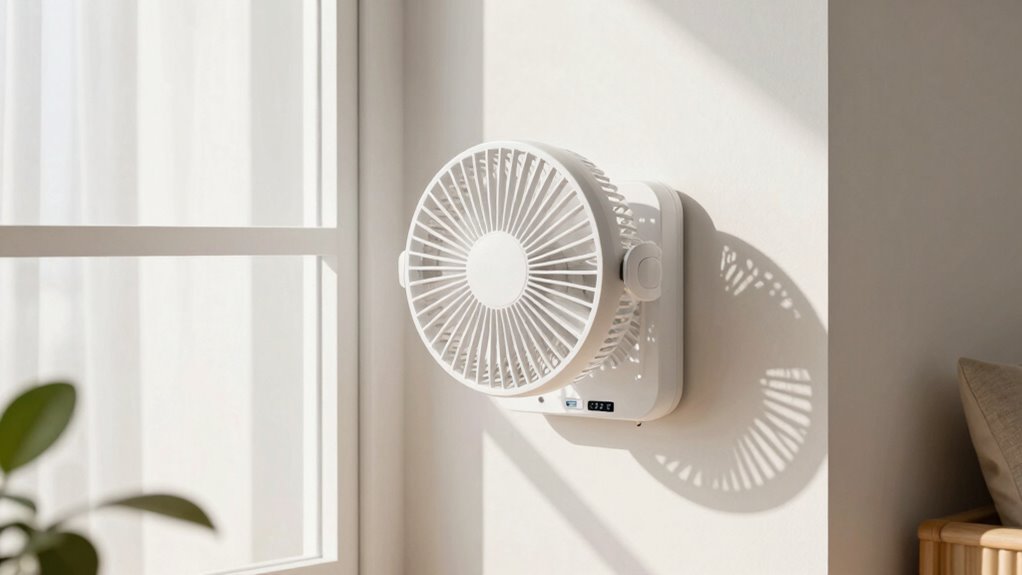
Creating a DIY window fan schedule helps make ventilation predictable and efficient. By using timers or smart controls, you can optimize airflow during cooler parts of the day or night, reducing energy waste and noise. Adjusting the schedule based on weather, your routine, and environmental data keeps airflow consistent and comfortable. If you keep exploring, you’ll discover ways to tailor your system even more effectively, making your home ventilation feel less random and more manageable.

Get home appliances delivered free with Prime
- Fast, free delivery on millions of items
- Prime Video, Amazon Music and more included
- Member-only deals all year
Key Takeaways
- A scheduled routine ensures consistent, predictable airflow, reducing the randomness of fan operation.
- Using timers or automation aligns fan activity with optimal outdoor temperatures and personal routines.
- Regularly reviewing and adjusting schedules enhances ventilation efficiency and responsiveness to weather changes.
- Incorporating environmental data helps tailor fan operation, making ventilation feel more intentional and less haphazard.
- Coordinating fan timing with ambient noise and activity levels creates a smoother, less unpredictable indoor environment.
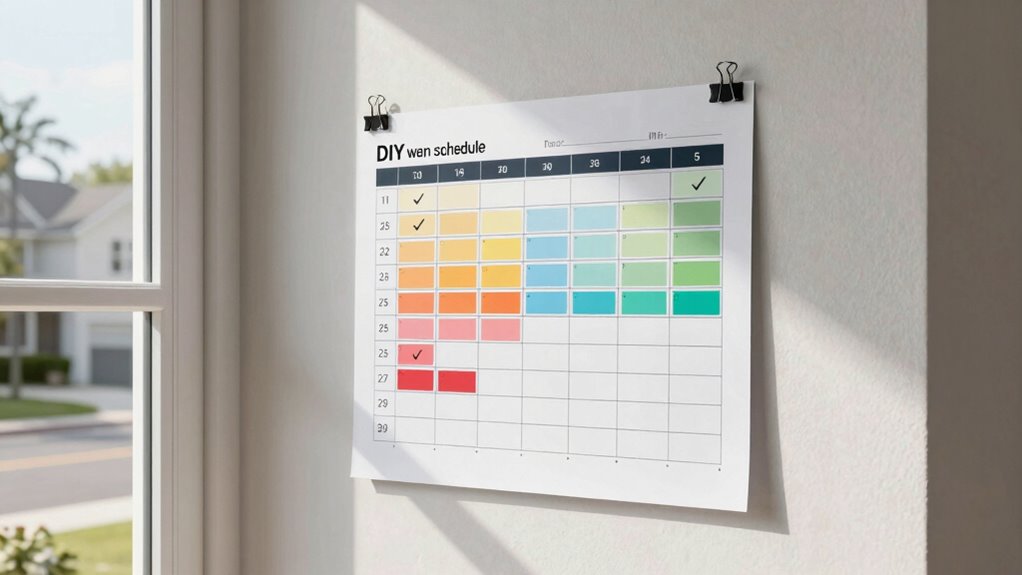
Creating a DIY window fan schedule can help you maximize airflow and energy efficiency in your home. When you plan your fan operation carefully, you’ll reduce wasted energy and keep your home comfortable without overusing your HVAC system. A well-structured schedule also helps you avoid the chaos of random ventilation, making your indoor environment more predictable and manageable.
A well-planned window fan schedule boosts airflow, saves energy, and creates a more predictable, comfortable indoor environment.
By controlling when your window fans turn on and off, you can optimize airflow during the coolest parts of the day or night, saving you money on energy bills. Instead of running fans constantly or at random times, you can set specific intervals that align with outside temperatures and your comfort needs. This targeted approach ensures you’re not wasting energy cooling or ventilating when it’s unnecessary, which boosts your home’s overall energy efficiency.
Noise reduction is another key benefit of a scheduled system. When you plan your fan operation, you can minimize the times when fans run loudly, especially during quiet evening hours or when you’re working or sleeping. For example, you might program the fans to operate during the daytime when ambient noise is already high, or set them to turn off during late-night hours when quiet is more important. This thoughtful scheduling helps create a peaceful environment, reducing the annoyance of constant or unpredictable fan noise.
Implementing this schedule is straightforward. You can use a simple timer or a smart home automation system, which allows you to set specific times for your fans to turn on and off automatically. This way, you don’t have to remember to do it manually, and you avoid the temptation of leaving fans running longer than needed. You can also adjust the schedule seasonally or based on weather patterns, ensuring your ventilation strategy remains efficient throughout the year. Understanding home energy efficiency can help you further refine your scheduling to maximize savings and comfort. Additionally, incorporating smart home technology can enhance your control and ease of management for your ventilation system.
The key is to be strategic about your fan usage. Think about your daily routine and when you want maximum airflow—perhaps during the early morning or late afternoon when outdoor temperatures are cooler. Then, coordinate your schedule to match these periods, ensuring you’re circulating fresh air at ideal times without wasting energy or creating unnecessary noise. Regularly review and fine-tune your schedule to adapt to changing weather or personal preferences, making your ventilation system feel less random and more intentional. Incorporating weather patterns into your planning can further improve the effectiveness of your schedule and help you respond to environmental changes. Additionally, understanding caffeine science can help you optimize your morning ventilation to create a more refreshing start to your day.
As an affiliate, we earn on qualifying purchases.
Frequently Asked Questions
How Do I Choose the Best Window Fan for My Space?
To choose the best window fan for your space, consider energy efficiency and noise levels. Opt for energy-efficient models to save on electricity, especially if you’ll use the fan often. Check noise ratings to guarantee it won’t disturb your comfort, whether you’re sleeping or working. Measure your window size accurately, and look for adjustable features to customize airflow. A good balance of power, quiet operation, and efficiency makes your ventilation more effective.
Can I Automate the Fan Schedule With Smart Devices?
Think of your smart home devices as the conductor of your ventilation symphony. Yes, you can automate your fan schedule with smart devices, seamlessly integrating smart home technology. With voice control compatibility, you can effortlessly manage your window fan using just your voice. This setup allows for precise, scheduled ventilation that adapts to your needs, making your home healthier and more comfortable without manual adjustments.
What Safety Precautions Should I Consider When Installing a Window Fan?
When installing a window fan, you should wear safety gear like gloves and safety glasses to protect yourself from potential injuries. Always unplug the fan before installation to avoid electrical hazards. Check the electrical cord and plug for damage, and confirm the outlet is properly grounded. Follow the manufacturer’s instructions carefully, and consider consulting an electrician if you’re unsure about electrical safety. These precautions help keep you safe during installation.
How Do I Maintain and Clean My Window Fan Regularly?
To keep your window fan running smoothly, you should regularly clean the air filter and perform dust removal techniques. First, turn off and unplug the fan, then gently remove the filter and wash it with mild soap and water. Wipe down the blades and grille with a damp cloth to prevent dust buildup. Consistent maintenance guarantees maximum airflow, keeps your space fresh, and extends the lifespan of your fan.
Is It Effective to Use Multiple Fans Simultaneously?
Using multiple fans simultaneously can be effective for better airflow and ventilation, but it may increase fan noise and energy consumption. If you want stronger airflow, running several fans together works well, but be mindful of the noise levels and your electricity bill. To keep energy use reasonable, turn off some fans when they’re not needed, and choose quieter models if noise is a concern.
smart home window fan controller
As an affiliate, we earn on qualifying purchases.
As an affiliate, we earn on qualifying purchases.
Conclusion
By following this DIY window fan schedule, you’ll turn your home into a well-orchestrated symphony of invigorating air, making ventilation feel less like a wild caravan crossing the desert and more like a well-tuned bicycle. Imagine your windows as the gates of a medieval castle, opening and closing at just the right moments to keep your castle cool and breezy. Stick to the plan, and you’ll enjoy a refreshing gust without the chaos of randomness.
As an affiliate, we earn on qualifying purchases.
As an affiliate, we earn on qualifying purchases.
NFL season / tailgating Picks
team gear
As an affiliate, we earn on qualifying purchases.