DIY mold testing kits can offer a quick and affordable way to check for mold spores at home, but they often have limitations. They may detect mold presence, yet they don’t identify hidden sources or measure severity accurately. Results can be misleading, risking unnecessary concern or false reassurance. If you want a complete and reliable assessment, professional testing is usually necessary. To find out how to guarantee your home’s safety, continue exploring further information.
Key Takeaways
- DIY mold testing kits can detect mold spores but lack accuracy and cannot identify hidden sources or mold severity.
- They are useful for initial screening but should not replace professional inspection for comprehensive assessment.
- Results may be unreliable, leading to false positives or negatives, so interpretation requires caution.
- Professional testing is recommended if mold symptoms persist or if indoor air quality is significantly compromised.
- Combining DIY testing with expert evaluation ensures more accurate detection and effective mold management.
Are you concerned about mold in your home but unsure whether professional testing is necessary? Many homeowners face this dilemma, especially when suspecting indoor air quality issues. Mold can cause a variety of symptoms, including coughing, sneezing, nasal congestion, or itchy eyes. If you notice these mold symptoms regularly, you might think about testing your indoor air for mold spores. DIY mold testing kits promise an easy, affordable way to check for mold yourself, but are they really reliable enough to give you peace of mind?
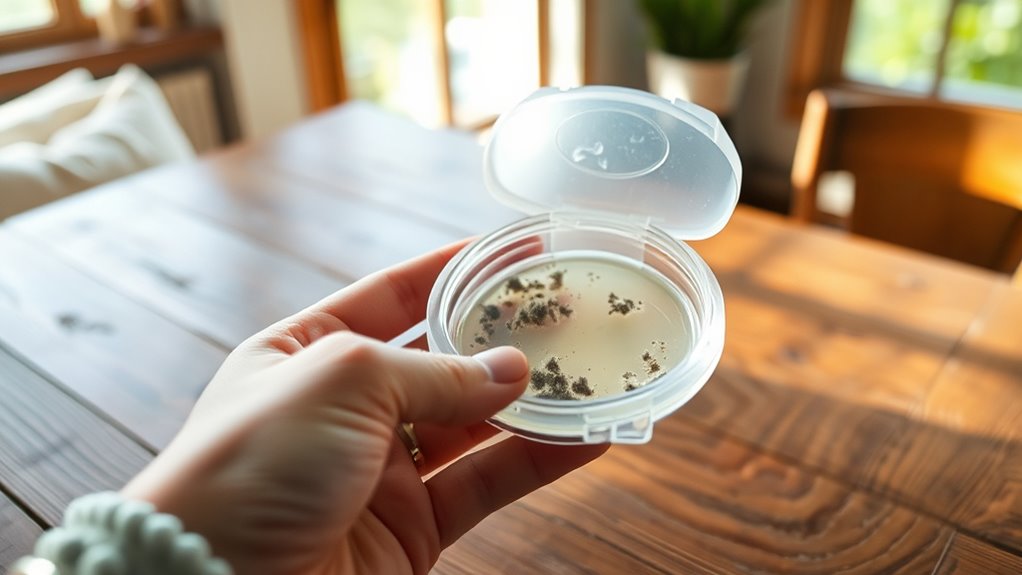
When you use a DIY mold testing kit, you’re essentially taking samples of your indoor environment to analyze for mold presence. These kits usually involve collecting air or surface samples that you then mail to a lab for analysis. While it might seem straightforward, keep in mind that indoor air can contain many particles that aren’t mold, and interpreting the results can be tricky. Some kits can detect mold spores, but they often lack the precision of professional testing. Plus, mold spores are present in the environment naturally, so finding them doesn’t necessarily mean you have a serious problem. The key is understanding whether the levels are elevated enough to cause health issues or indicate a hidden mold source.
If you’re experiencing mold symptoms, using a DIY test might help you identify whether mold spores are present in your indoor air, but it won’t tell you the exact source or severity of the contamination. For example, a positive result could mean a small, harmless amount of mold or a significant problem that needs immediate attention. Without professional expertise, it’s hard to distinguish between the two. Also, DIY kits often have limitations in sensitivity and accuracy, and false negatives or positives are common. This can lead to either unnecessary panic or, conversely, a false sense of security.
While DIY kits are convenient and cost-effective for initial screening, they shouldn’t replace professional mold inspections if you’re serious about protecting your health. If your home’s indoor air quality is compromised and you’re experiencing persistent mold symptoms, it’s best to consult with a certified mold inspector. They can identify hidden mold sources and measure mold levels accurately. In the end, DIY testing can be a helpful first step, but it’s no substitute for professional assessment when health risks are involved. Remember, addressing mold issues early can save you money and health problems down the line.
Additionally, understanding mold testing methods can help you make more informed decisions about addressing potential issues effectively.
Frequently Asked Questions
How Accurate Are DIY Mold Testing Kits Compared to Professional Services?
When considering testing accuracy, DIY mold testing kits often fall short compared to professional services. While kits can identify visible mold or airborne spores, they lack the precision of professional comparison methods, which use advanced lab analysis. You might get a general idea, but for reliable results and an extensive assessment, it’s better to hire pros. Their expertise ensures more accurate detection, helping you address mold issues effectively.
Can DIY Kits Detect All Types of Mold Effectively?
You might think DIY mold testing kits are a magic wand, but they can’t detect every mold species out there. While they cover common types, their testing limitations mean some hidden molds could slip through unnoticed. This means you won’t get a full picture of your mold problem, risking health issues. For thorough detection, professional testing is more reliable, especially if you suspect specialized or hidden mold growth.
Are DIY Mold Tests Safe to Handle Without Protective Gear?
When handling DIY mold testing kits, you might wonder if protective equipment is necessary. It’s essential to prioritize handling safety by wearing gloves, masks, and eye protection, especially if you’re testing in areas with visible mold or strong odors. While these kits are designed for safe use, protective gear helps prevent potential exposure to mold spores, ensuring your health isn’t compromised during the testing process.
How Long Does It Take to Get Results From a DIY Mold Test?
When you use a DIY mold test, you’ll typically wait about 48 to 72 hours for the test turnaround. Keep in mind, sampling accuracy can vary depending on how carefully you collect the sample. If your sample isn’t taken properly, it might lead to inaccurate results or delays. To guarantee the most reliable outcome, follow the instructions closely and consider professional testing if results are unclear or concerning.
Are There Legal or Insurance Implications Using DIY Mold Testing Kits?
Liability concerns can complicate claims if DIY mold tests mislead or miss mold issues. You might face insurance implications if your test results are inaccurate, leading to denied claims or disputes. While DIY kits seem simple, they don’t provide professional proof, risking unreliable results that could jeopardize legal or insurance outcomes. It’s wise to weigh the risks and consider professional testing to protect your property and peace of mind.
Conclusion
While a DIY mold testing kit might seem like a quick fix, remember that mold often hides in the most unexpected places—behind walls or under floors, where your kit can’t reach. Think of it as trying to catch a whisper in a storm; the results can be misleading. Sometimes, the best way to protect your home is to call in the experts, ensuring you’re not just chasing shadows but truly tackling the hidden threats.