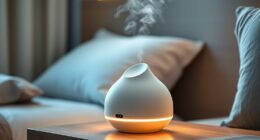

To make your spare room allergy-friendly, start by thoroughly cleaning and dusting all surfaces, including hidden spots, using a damp cloth. Substitute heavy curtains with washable blinds and use hypoallergenic bedding washed in hot water. Keep the space clutter-free, and consider adding an air purifier with a HEPA filter. Guarantee good ventilation and avoid fragranced cleaning products. Want more tips on creating a healthy, allergen-free guest room? Keep going for helpful strategies.

Get home appliances delivered free — and shop member deals
- Fast, free delivery on millions of items
- Access to Prime Big Deal Days deals on October 6–7
- Prime Video, Amazon Music and more included
Key Takeaways
- Use hypoallergenic bedding and wash all linens in hot water to reduce dust mites and allergens.
- Regularly dust, vacuum with HEPA filters, and remove clutter to minimize dust accumulation.
- Improve air quality with an air purifier, proper ventilation, and avoiding heavy, dust-trapping decor.
- Replace heavy curtains with washable blinds and store extra bedding in airtight containers.
- Maintain routine cleaning and inspection to keep the room allergen-free and comfortable for guests.
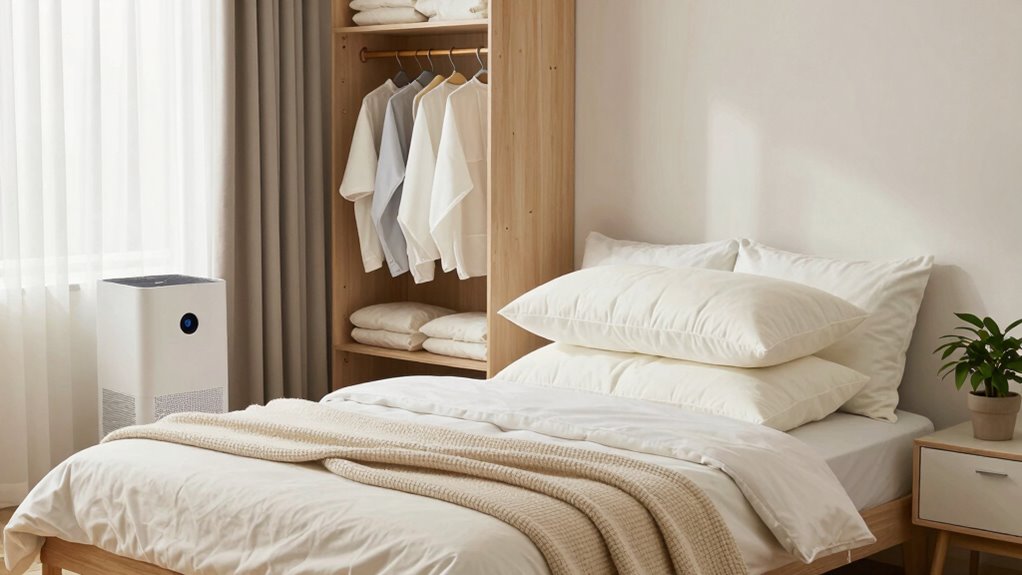
Are you ready to host guests confidently without last-minute stress? Preparing your spare room to be both comfortable and allergy-friendly can considerably improve your guests’ experience and ease your worries. The key is to focus on guest comfort and allergy prevention from the start. With a thoughtful approach, you can transform your space into a welcoming retreat that accommodates everyone’s needs.
Begin by thoroughly cleaning the room. Dust every surface, including hidden spots like behind furniture and inside air vents, to remove allergens such as dust mites and pet dander. Use a damp cloth instead of a dry duster to trap dust rather than spreading it around. Vacuum the floor, carpets, and upholstery with a HEPA filter vacuum cleaner, which is designed to trap tiny allergens. If your guest room has curtains or heavy drapes, consider replacing them with washable blinds or removing them altogether to reduce potential allergen buildup.
Thoroughly clean and dust surfaces, use a damp cloth, and vacuum with a HEPA filter to reduce allergens.
Next, focus on bedding. Opt for hypoallergenic pillowcases, mattress covers, and sheets made from natural, breathable fabrics like cotton or linen. Wash all bedding in hot water (at least 130°F) to eliminate dust mites and remove any lingering allergens. Avoid feather pillows or comforters, as they can trigger allergies, and instead choose synthetic or hypoallergenic alternatives. Keep extra blankets and pillows in airtight containers or storage bags to prevent dust accumulation when not in use. Proper laundry practices can significantly reduce allergen presence in bedding. Additionally, choosing breathable fabrics can help maintain a cooler, drier sleeping environment that discourages dust mites and mold growth. Regularly washing and replacing bedding also helps in maintaining a healthy indoor environment. Incorporating air purification into the room setup can further improve air quality by actively capturing airborne allergens.
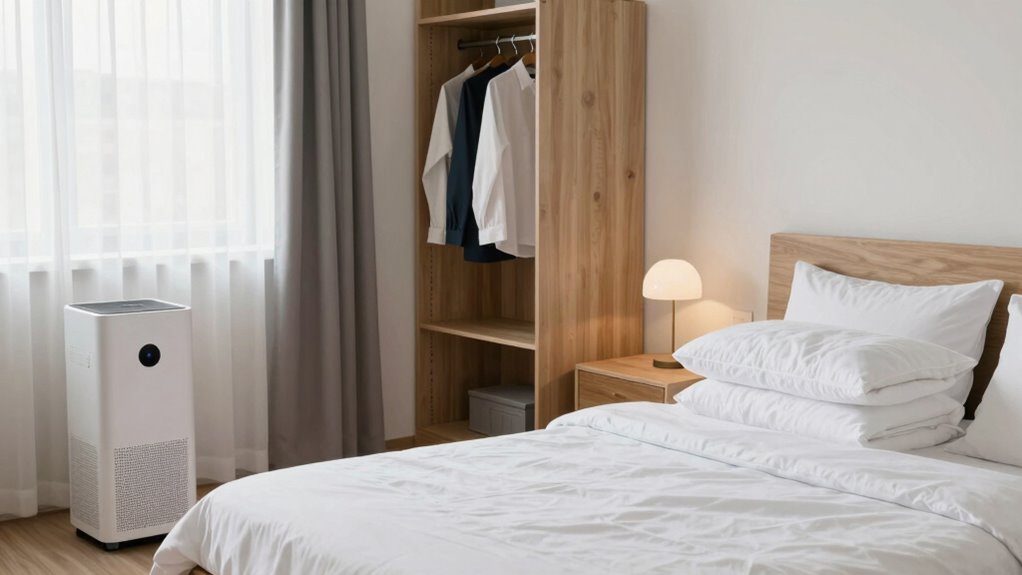
To further prevent allergies, remove clutter and unnecessary items from the room. Less clutter means fewer places for dust and allergens to settle. Consider replacing plush toys or decorative items that can trap dust with easy-to-clean alternatives. Keep air circulating by opening windows when possible, and if you use an air purifier with a HEPA filter, place it in the room to continuously filter airborne allergens. Additionally, proper ventilation can significantly reduce indoor allergen levels and improve overall air quality.
Finally, think about the room’s overall environment. Use fragrance-free or hypoallergenic cleaning products to avoid irritating sensitive noses. Check that the room has good ventilation and consider adding a dehumidifier if your climate is humid, as excess moisture can promote mold growth and dust mites. Providing clean, fresh towels and amenities, and arranging the furniture to allow for easy cleaning and airflow are also crucial steps to maintain a healthy space. To ensure a consistently allergen-free environment, regularly inspect and clean the room to catch any dust or mold buildup early.
HEPA air purifier for allergy relief
As an affiliate, we earn on qualifying purchases.
As an affiliate, we earn on qualifying purchases.
Frequently Asked Questions
How Often Should I Change the Bedding for Allergy Prevention?
You should change your bedding materials and wash them at least once a week to prevent allergy buildup. Regular laundry frequency helps remove dust mites, pet dander, and pollen that can trigger allergies. Use hot water when possible, as it’s more effective at killing dust mites. Keep pillows and comforters in allergen-proof covers, and wash these regularly too. Consistent bedding changes make your guest room more comfortable and allergy-friendly.
Are Air Purifiers Effective for Allergy Relief in Guest Rooms?
Air purifiers are effective for allergy relief in guest rooms, especially when you maintain them properly. Regular air purifier maintenance, like cleaning filters and replacing the HEPA filter, guarantees maximum HEPA filter effectiveness. A well-maintained air purifier can greatly reduce airborne allergens such as dust, pet dander, and pollen, creating a more comfortable environment for your guests. Just remember to check and change filters as recommended for the best results.
What Natural Remedies Can Help Reduce Allergens in the Room?
You can use herbal infusions like chamomile or eucalyptus to naturally reduce allergens, adding them to diffusers or sprays. Aromatherapy blends with lavender or tea tree oil can also help soothe allergy symptoms and purify the air. Regularly steaming bedding and curtains with these herbal infusions or diffusing essential oils creates a calming environment. These natural remedies work synergistically to lower allergens and improve comfort for your guests.
How Do I Identify Hidden Sources of Dust Mites?
To identify hidden dust mite sources, observe their habits—like thriving in bedding, upholstered furniture, and carpets. Check for allergen traps such as stuffed animals, fabric curtains, and plush toys, which often harbor dust mites. Regularly inspect these areas and items for signs of dust buildup or visible mites. Using a flashlight and a magnifying glass can help spot them. Removing or washing these items regularly reduces dust mite hiding spots effectively.
Can Houseplants Improve Air Quality in an Allergy-Friendly Guest Room?
Yes, houseplants can improve air quality in your allergy-friendly guest room. Plant benefits include filtering airborne toxins and increasing humidity, which can reduce dust mites and allergens. Choose low-pollen, non-toxic plants like snake plants or pothos to avoid allergy triggers. By adding these plants, you create a fresher, healthier environment, making your guests more comfortable and ensuring your space remains allergy-friendly.
As an affiliate, we earn on qualifying purchases.
Conclusion
By following this DIY guest prep list, you create a welcoming, allergy-friendly space that shows you care. Did you know that nearly 30% of people worldwide suffer from allergies? Making simple changes can greatly reduce their discomfort and make your guest feel truly at home. Your effort not only offers comfort but also shows empathy and thoughtfulness. With a little preparation, you turn your spare room into a safe haven for all your visitors.
As an affiliate, we earn on qualifying purchases.
airtight storage containers for bedding
As an affiliate, we earn on qualifying purchases.
As an affiliate, we earn on qualifying purchases.
Halloween Picks
halloween
As an affiliate, we earn on qualifying purchases.