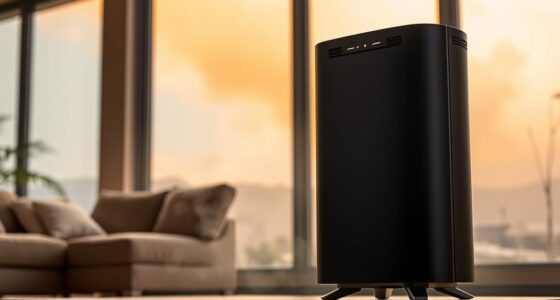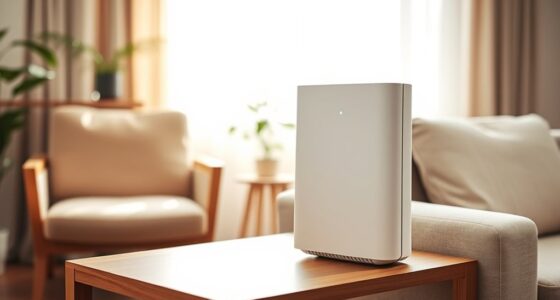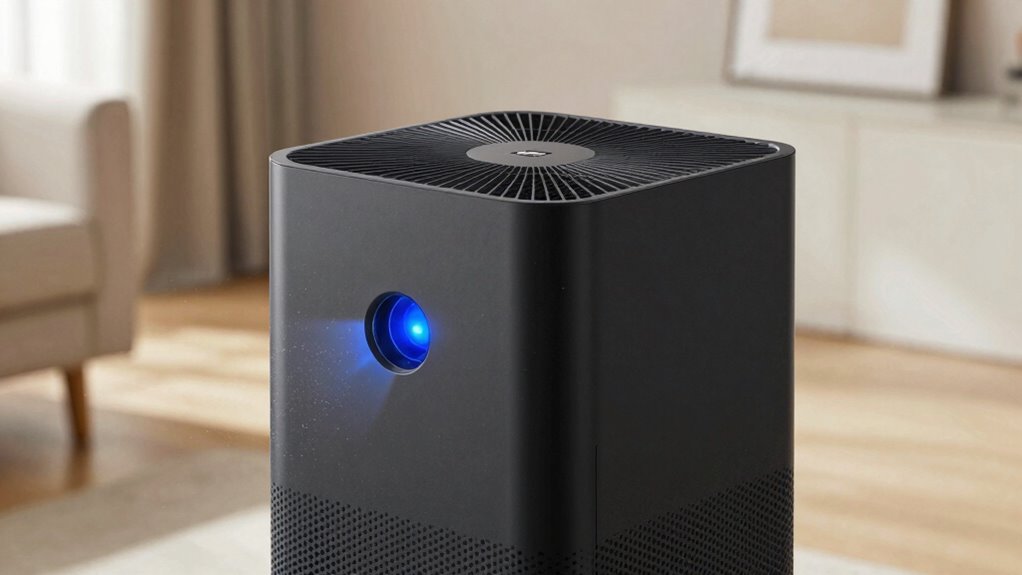

UV-C in air purifiers can be a helpful addition, as it inactivates germs and viruses, providing extra protection beyond filters. However, it also poses safety risks if not designed properly, such as skin or eye damage and ozone production. When used correctly and combined with other filtration systems, UV-C can enhance air quality. To learn how to choose safe, effective models and use them properly, consider exploring further.
Key Takeaways
- UV-C enhances air purification by inactivating airborne microbes, complementing traditional HEPA filters for more comprehensive protection.
- Properly designed UV-C devices with safety features minimize health risks like skin or eye exposure.
- Effectiveness depends on correct exposure time, light intensity, and device maintenance; misuse can reduce benefits.
- UV-C should be viewed as a supplementary upgrade, not a sole solution, combined with filtration for optimal air quality.
- Regular maintenance and adherence to safety guidelines are essential to maximize benefits and minimize potential risks.
What Is UV-C Light and How Does It Purify the Air?

UV-C light is a type of ultraviolet radiation with a short wavelength that can effectively kill or inactivate bacteria, viruses, and other microorganisms. This process, known as UV C sterilization, is used in air purifiers to improve air quality. When integrated with air quality sensors, UV-C lights activate only when needed, ensuring efficient sterilization without unnecessary exposure. These sensors help monitor airborne contaminants, triggering the UV-C sterilization process when pollutant levels rise. UV-C air purification works by damaging the DNA or RNA of microorganisms, rendering them harmless. This technology provides an additional layer of defense in maintaining cleaner, safer indoor air. Understanding how UV-C sterilization and air quality sensors work together helps you assess whether this upgrade is a helpful feature or an unnecessary risk.
How Do UV-C Air Purifiers Work?

Ever wonder how UV-C air purifiers actually clean the air around you? When you turn on a UV-C purifier, air flows through a chamber where UV-C light is emitted. This light exposes airborne pathogens, such as bacteria, viruses, and mold spores, to germicidal effects. The high-energy UV-C photons damage their DNA or RNA, rendering them incapable of reproducing or causing infection. Unlike filters that trap particles, UV-C purifiers neutralize germs on contact, reducing the risk of illness. As air circulates through the device, more airborne pathogens are exposed to UV-C light, continuously decreasing the number of viable microbes. This process helps improve indoor air quality by actively attacking germs in the air, not just trapping them. UV-C light provides a chemical-free method for microbial inactivation, making it a popular choice for enhancing air sanitation. Additionally, advancements in UV-C technology have increased the efficiency and safety of these devices for everyday use, further supporting their role in air purification methods. Some concerns about UV-C safety are addressed by modern designs that minimize exposure risks to users and occupants. Modern innovations include features like shielding and automatic shutoff to further enhance user safety and prevent accidental exposure.
Are UV-C Air Purifiers Effective Against Viruses and Bacteria?
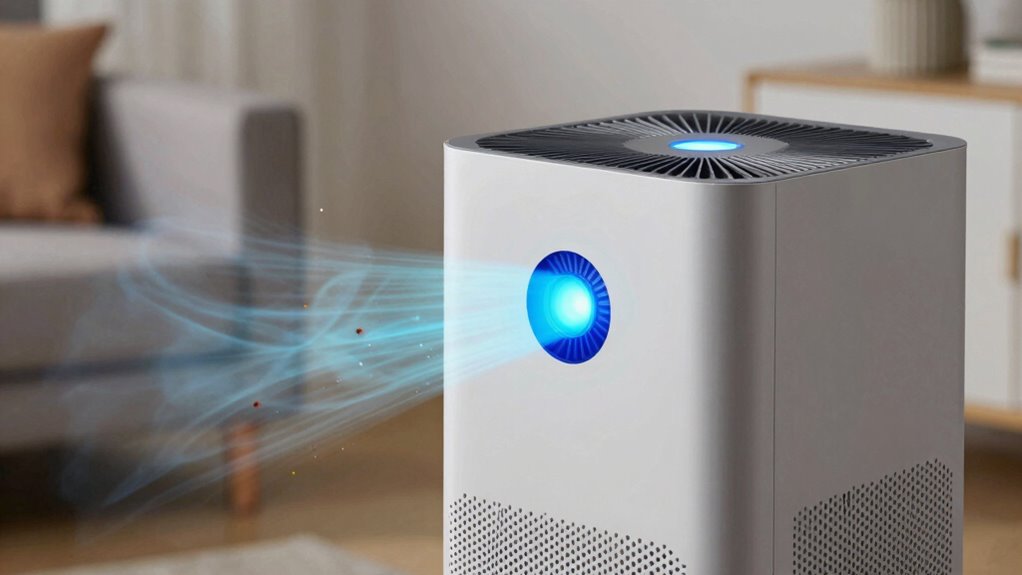
Are UV-C air purifiers truly effective at eliminating viruses and bacteria from the air? The answer depends on their UV-C effectiveness and your expectations. UV-C light can damage the DNA and RNA of microorganisms, rendering them inactive or unable to reproduce. When used correctly, UV-C air purifiers can markedly reduce airborne pathogens, improving health safety. However, their effectiveness relies on factors like exposure time, light intensity, and airflow speed. Adequate UV-C light exposure is essential for optimal microbial inactivation, which depends on the design of the purifier. If these aren’t optimized, some viruses and bacteria might survive or pass through the system. While UV-C can be a helpful tool in reducing microbial load, it shouldn’t be solely relied upon for complete protection. Proper maintenance and complementary filtration methods are essential to maximize health safety benefits. Additionally, understanding UV-C light mechanisms can help you better assess their potential benefits and limitations.
What Are the Potential Health Risks of UV-C Radiation Indoors?
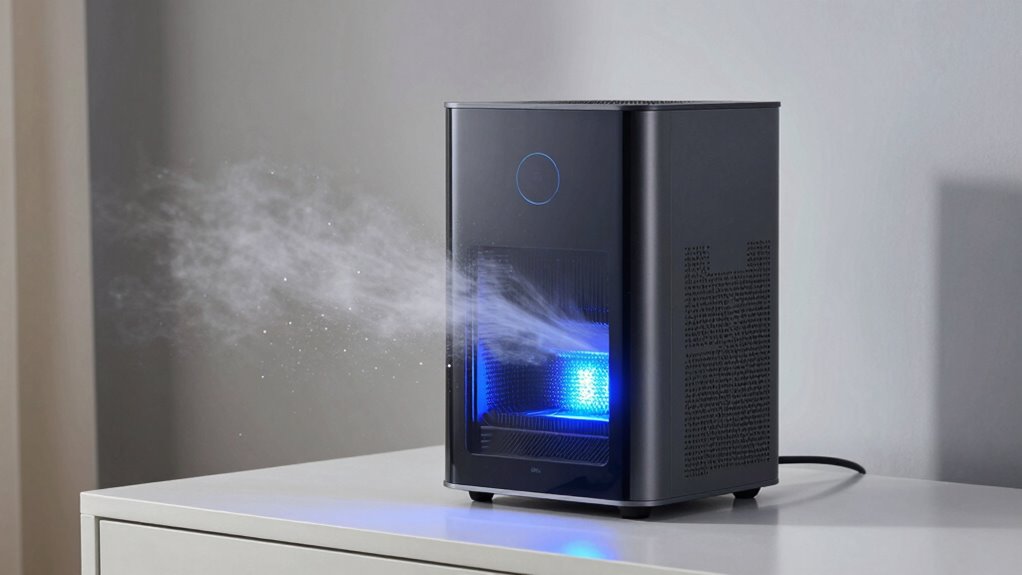
While UV-C radiation can effectively disinfect surfaces and air, it also poses potential health risks when used indoors improperly. Exposure to UV-C can cause damage to your skin and eyes, leading to burns or eye injuries such as photokeratitis. In indoor air environments, accidental exposure is a significant concern, especially if UV-C devices are not properly shielded or maintained. Prolonged or intense exposure may also increase the risk of respiratory issues or contribute to skin aging. Because UV-C light doesn’t penetrate deeply, the primary health concern is direct contact. If you’re using UV-C air purifiers, it’s essential to verify they are designed with safety features that prevent UV-C from escaping into your indoor air, minimizing your health risks. Understanding UV-C safety is crucial for responsible use of these devices indoors. Additionally, being aware of UV-C exposure limits helps in establishing safe operating procedures and reducing potential hazards. Proper device maintenance also plays a key role in ensuring safety and effectiveness.
Are Commercial UV-C Air Purifiers Safe to Use at Home?

Commercial UV-C air purifiers are generally designed with safety features that make them suitable for home use, but it’s important to understand how they work to guarantee proper safety. Many models include shields, automatic shutoffs, or containment chambers to prevent UV-C exposure to users, addressing common consumer concerns. However, you should still follow manufacturer instructions and avoid direct exposure to UV-C light. While these purifiers are effective at reducing airborne pathogens, some worry about the environmental impact of manufacturing and disposing of UV-C devices. Proper device maintenance can help extend their lifespan and reduce waste. Additionally, understanding UV-C light safety measures can help users operate these devices more securely. It’s also beneficial to stay informed about regional regulations that govern UV-C device use to ensure compliance. Proper disposal practices can further minimize environmental impact and ensure safety. Being aware of filter replacement schedules and cleaning routines can optimize performance and safety. Overall, when used correctly, commercial UV-C air purifiers are safe for home environments. Being informed about their operation helps you weigh the benefits against potential risks and environmental considerations.
UV-C vs. HEPA Filters: Which Is Better for Your Air Quality?
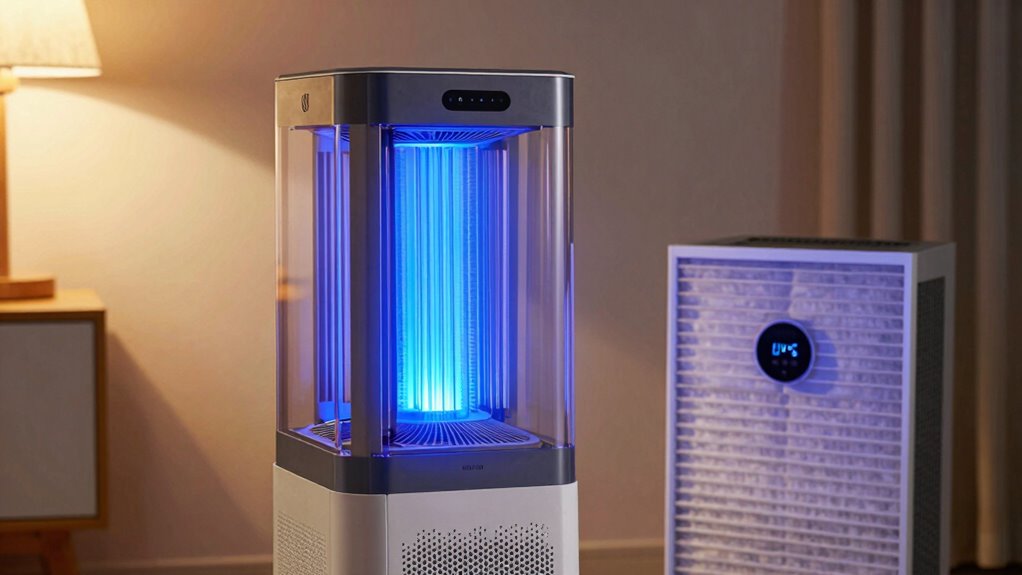
When choosing between UV-C and HEPA filters, you need to regard how effectively they clean the air in your space. Safety and potential health risks also matter, especially if you have vulnerable individuals at home. Understanding the strengths and limitations of each helps you make an informed decision for better air quality. Additionally, considering air purifier safety is crucial to ensure your setup doesn’t introduce new hazards. Being aware of microplastics in dust can also influence your choice of filtration system, as some filters may better trap these tiny particles. Furthermore, understanding urban air pollution can help determine which filtration method is more suitable for your environment. Knowing how different filters impact overall air quality can further guide your selection process, especially when factoring in filter maintenance and lifespan.
Effectiveness in Air Purification
UV-C light and HEPA filters each play a crucial role in air purification, but their effectiveness depends on what you’re trying to achieve. HEPA filters excel at physically capturing airborne particles like dust, pollen, and bacteria, providing immediate reduction of visible contaminants. UV-C technology, on the other hand, inactivates microorganisms by damaging their DNA, preventing them from reproducing. While HEPA filters improve air quality by removing particles, UV-C can target germs and viruses that pass through filters or are too small to be caught. For thorough air purification, combining both methods offers enhanced protection. HEPA filters handle particles, and UV-C technology reduces microbial threats, making your air cleaner and safer. Understanding these differences helps you choose the most effective approach for your specific air quality needs. Additionally, UV-C effectiveness depends on proper exposure time and intensity to ensure microorganisms are fully inactivated.
Safety and Health Risks
While both UV-C air purifiers and HEPA filters are effective at improving indoor air quality, understanding their safety and health risks is essential before choosing a system. UV-C devices can produce ozone or generate chemical exposure if not properly designed, which may cause respiratory irritation or other health issues. There’s also concern about long-term effects from prolonged UV-C exposure, especially if the device leaks or is improperly used. HEPA filters, on the other hand, pose minimal health risks but can release captured particles if not maintained regularly. While UV-C offers germicidal benefits, safety precautions are vital to prevent unintended chemical exposure. Ultimately, weighing these risks helps you select an air purifier that enhances air quality without compromising your health.
Key Features to Look for in a UV-C Air Purifier

Selecting the appropriate UV-C air purifier involves understanding the key features that guarantee effective and safe performance. First, look for units with built-in UV C safety features, such as shielding or automatic shutoff, to prevent harmful exposure. An accurate air quality assessment feature helps you monitor indoor pollution levels and adjust settings accordingly. Additionally, opt for purifiers with high-quality UV-C lamps rated for sufficient wavelength and exposure time to maximize germicidal efficacy. Confirm the device includes an airflow system that exposes air evenly to UV-C light, preventing dead zones. Lastly, check for certifications from reputable organizations, affirming the purifier’s safety and effectiveness. Here’s a quick overview of essential features:
| Feature | Why It Matters | Example |
|---|---|---|
| UV-C Safety Measures | Prevents UV exposure risks | Shielded UV lamps |
| Air Quality Sensors | Optimizes operation based on pollution | Real-time air quality monitoring |
| UV Lamp Quality | Ensures germicidal effectiveness | Rated wavelengths (254 nm) |
| Airflow Design | Maximizes UV exposure and purification | Even air circulation |
| Certifications | Verifies safety and performance | UL, CE, or equivalent |
Maintenance and Safety Tips for UV-C Air Purifiers
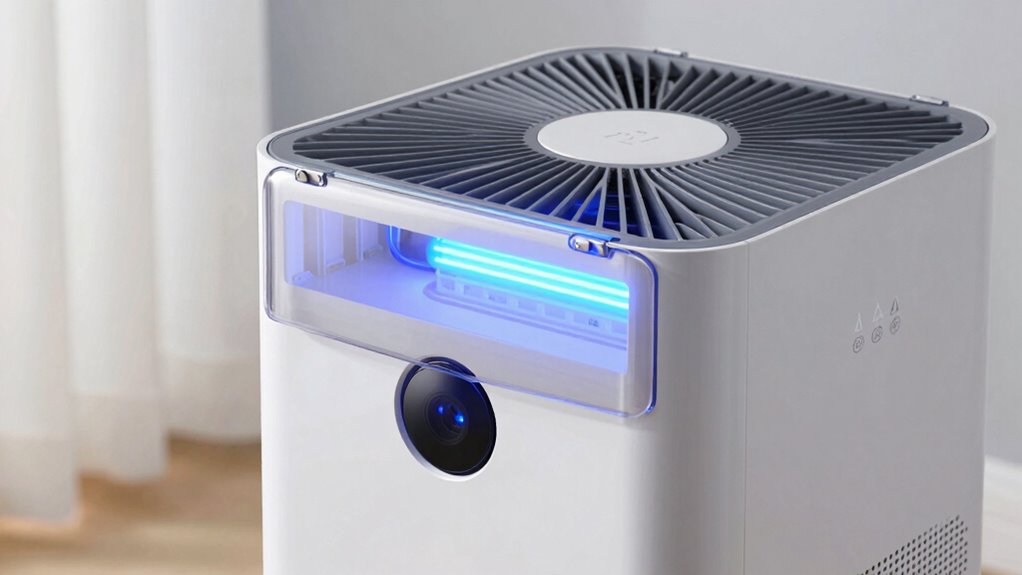
To keep your UV-C air purifier working safely and effectively, you need to perform regular maintenance checks. It’s also important to handle the UV-C components carefully to avoid exposure and damage. Following these tips helps guarantee your purifier runs smoothly while protecting your health.
Regular Maintenance Checks
Regular maintenance checks are essential to guarantee your UV-C air purifier operates safely and effectively. You should regularly inspect the filter and replace it when needed to maintain ideal airflow and filtration. Additionally, ensure the device calibration is accurate to avoid overexposure or underperformance. Schedule these checks monthly or as recommended by the manufacturer. Use the table below to guide your maintenance routine:
| Task | Frequency | Tips |
|---|---|---|
| Filter replacement | Every 6-12 months | Check for visible dirt or wear |
| Device calibration | Annually | Follow manufacturer instructions |
| UV-C lamp check | Every 6 months | Replace if dim or faulty |
| Exterior cleaning | Monthly | Use soft, damp cloth |
| Safety inspection | Quarterly | Confirm no damage or leaks |
Staying diligent ensures your purifier remains safe and effective.
Safe UV-C Handling
Handling UV-C light safely is essential to prevent exposure that can harm your skin and eyes. Always follow handling precautions outlined in your air purifier’s manual. Never open or tamper with the UV-C bulb while the device is powered on, as direct exposure can cause eye and skin damage. Turn off the unit and unplug it before performing any maintenance or bulb replacement. Wear protective gloves and safety glasses if you need to handle the UV-C components directly. Regularly inspect the device for cracks or damage to the bulb or housing, and replace the UV-C bulb according to the manufacturer’s schedule. Prioritize UV C safety by staying informed and cautious, reducing risks associated with UV-C exposure while maintaining effective air purification.
Are UV-C Air Purifiers Worth the Cost?
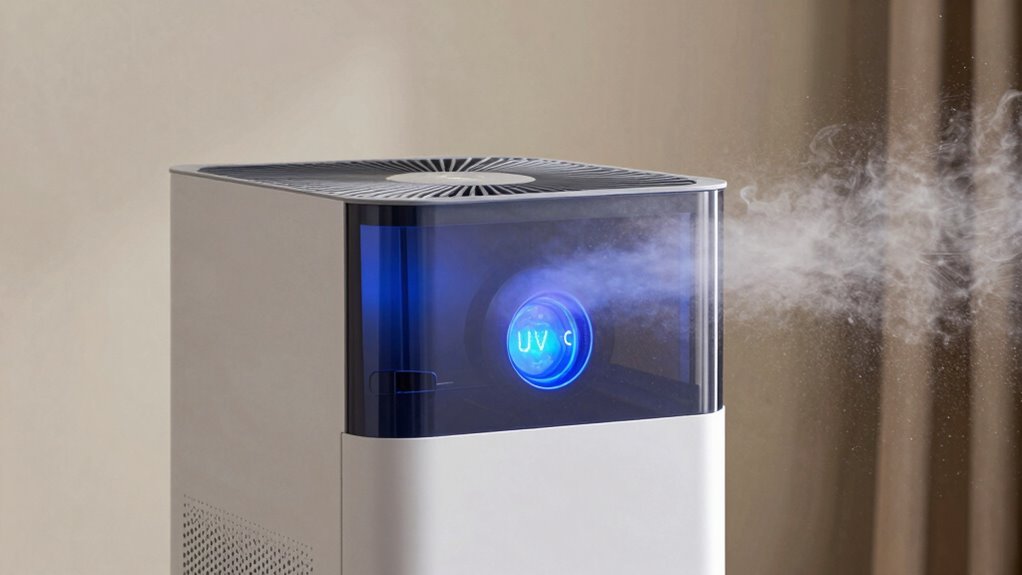
Deciding whether UV-C air purifiers are worth the investment depends on your specific needs and budget. They can be effective at reducing airborne germs, but the cost varies widely. When evaluating, consider a cost comparison to similar air purification options. Some models feature sleek, aesthetic designs that blend into your home decor, but these may come at a higher price. If air quality is a priority, investing in a UV-C purifier might be justified. However, if budget constraints exist, alternatives like HEPA filters could suffice. Here’s a quick comparison:
| Feature | UV-C Air Purifier | Standard HEPA Filter | Price Range |
|---|---|---|---|
| Cost | Higher | Lower | $$$ |
| Aesthetic Design | Modern & sleek | Basic | $ |
| Effectiveness | Germ reduction | Particles only | Varies |
| Maintenance | UV bulb replacement | Filter change | Moderate |
| Noise Level | Quiet | Varies | Similar |
How to Decide If a UV-C Air Purifier Is Right for You
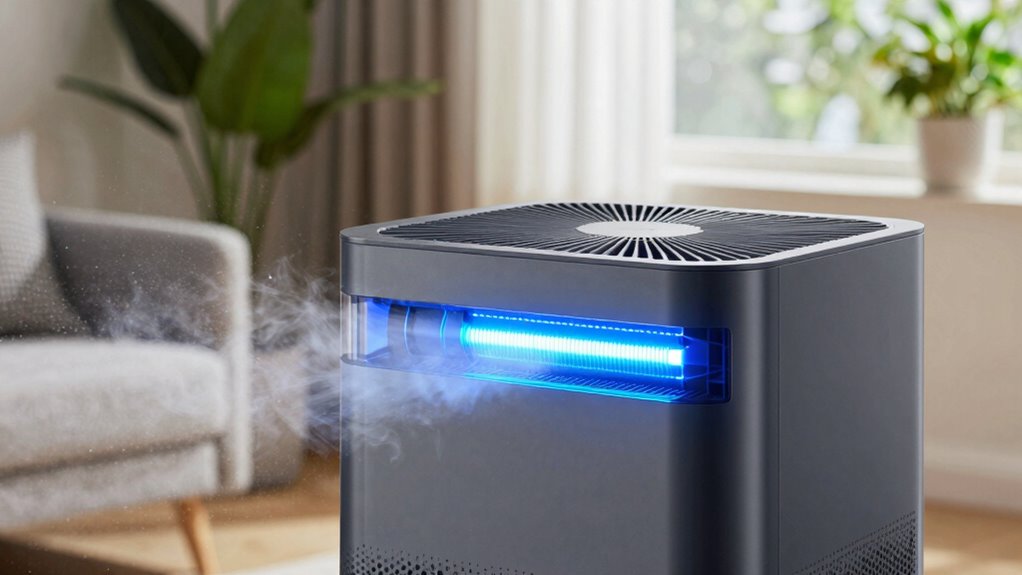
To decide if a UV-C air purifier suits your needs, start by evaluating your current air quality and identifying any specific concerns. Next, understand how effective UV-C technology is for your environment and what safety measures are in place. Finally, weigh these factors to determine if investing in a UV-C purifier aligns with your health priorities.
Assess Your Air Quality
Wondering if a UV-C air purifier is right for your space? To decide, first assess your indoor air quality. Use air quality sensors to detect levels of indoor pollution, such as dust, mold spores, or volatile organic compounds. If sensors show high pollution levels or you experience frequent allergies, a UV-C purifier might help reduce airborne contaminants. Think about your environment:
- Are you in a crowded or polluted urban area?
- Do you have allergy or asthma symptoms?
- Is there mold or dampness in your space?
These factors indicate your need for better air purification. By understanding your indoor pollution levels, you can determine if adding a UV-C purifier will improve your air quality and overall health.
Understand UV-C Effectiveness
Understanding how effective UV-C technology is can help you determine if a UV-C air purifier will truly benefit your space. UV C effectiveness varies depending on factors like exposure time, light intensity, and the design of the device. When evaluating air purification, consider whether the UV-C light directly targets airborne pathogens or surface contaminants. UV-C is proven to inactivate many viruses and bacteria, but its success depends on proper exposure and placement within the purifier. Keep in mind that UV-C shouldn’t be your sole filtration method; it works best alongside HEPA filters or activated carbon. By understanding these aspects, you can better assess if a UV-C air purifier will enhance your air purification efforts without overestimating its capabilities.
Evaluate Safety Considerations
Deciding if a UV-C air purifier is suitable for your space requires careful attention to safety considerations, especially since UV-C light can pose health risks if not properly contained. Conduct a thorough risk assessment by evaluating potential exposure sources and understanding how the device operates. Follow strict safety protocols, such as ensuring the UV-C light is enclosed within the unit and avoiding direct skin or eye contact. When choosing a UV-C air purifier, look for models with features like:
- Proper shielding and containment of UV-C light
- Clear safety instructions and warnings
- Certifications indicating compliance with safety standards
These precautions help minimize risks and ensure safe operation. Prioritize safety to protect yourself and others while benefiting from improved air quality.
Frequently Asked Questions
Can UV-C Air Purifiers Eliminate All Airborne Pathogens?
UV-C air purifiers can considerably reduce airborne bacteria and help with virus elimination, but they can’t eliminate all airborne pathogens. You might notice improved air quality, yet some viruses and bacteria could still linger. UV-C light effectively inactivates many microorganisms, but factors like room size, airflow, and purifier placement affect overall effectiveness. So, while helpful, UV-C purifiers shouldn’t be your sole defense against airborne pathogens.
Do UV-C Air Purifiers Produce Harmful Ozone?
Think of UV-C air purifiers as a double-edged sword; they can cut down airborne germs but may also produce harmful ozone. Yes, they can generate ozone during operation, which raises health concerns, especially for sensitive individuals. This ozone production depends on the device’s design and UV-C intensity. To protect your health, choose models with low or no ozone emission, and make certain of proper ventilation.
How Long Does UV-C Light Last Before Needing Replacement?
The UV-C bulb typically lasts between 9,000 to 12,000 hours of use before needing replacement. You should check your specific air purifier’s manual for recommended bulb replacement frequency, which often ranges from once a year to every 2-3 years. Keep in mind that UV-C lifespan depends on usage and device quality. Regularly inspect the bulb for signs of wear or reduced effectiveness, and replace it as needed to maintain ideal air purification.
Are UV-C Air Purifiers Effective in Large Open Spaces?
UV-C air purifiers can struggle in large open spaces because of coverage limitations. You might find they’re less effective at disinfecting every corner due to the distance and airflow challenges. To improve results, you may need multiple units or additional filtration methods. Keep in mind, UV-C’s effectiveness decreases over distance, so in large areas, supplementing with other air-cleaning strategies ensures better overall air quality.
Do UV-C Purifiers Require Special Electrical Outlets or Setup?
UV-C purifiers typically don’t need special electrical requirements, but you should check your device’s manual for voltage and outlet type. Setup complexity varies; most models are straightforward and plug into standard outlets. However, some larger or more advanced units might require additional wiring or secure mounting, especially for safety reasons. Always follow manufacturer instructions and make sure your space can accommodate the purifier safely and effectively.
Conclusion
Think of UV-C air purifiers as a double-edged sword—they can cut through germs like a hot knife through butter, but improper use can cut you instead. While they offer strong virus and bacteria defense, safety depends on choosing the right model and following precautions. Weigh the risks against the benefits, and remember, no device is a magic shield. With careful use, UV-C purifiers can be a valuable part of your air-cleaning toolkit.