TL;DR
Air purifiers for dorm rooms improve air quality by removing allergens, odors, and pollutants. Compact models with HEPA and activated carbon filters are ideal, especially with recent smart features and energy-saving designs.
Imagine settling into your tiny dorm room, the rich aroma of coffee wafting from a nearby café, but also the faint smell of last night’s pizza and lingering dust. Your indoor air quality directly impacts your sleep, focus, and health. With limited space, you need an air purifier that’s compact, effective, and easy to move. This guide reveals what to look for, recent innovations, and practical tips so you can breathe easier without cluttering your small space.

Get home appliances delivered free with Prime
- Fast, free delivery on millions of items
- Prime Video, Amazon Music and more included
- Member-only deals all year
Choose a lightweight, space-efficient model with HEPA and activated carbon filters.
Smart features like Wi-Fi control and filter alerts make maintenance easier.
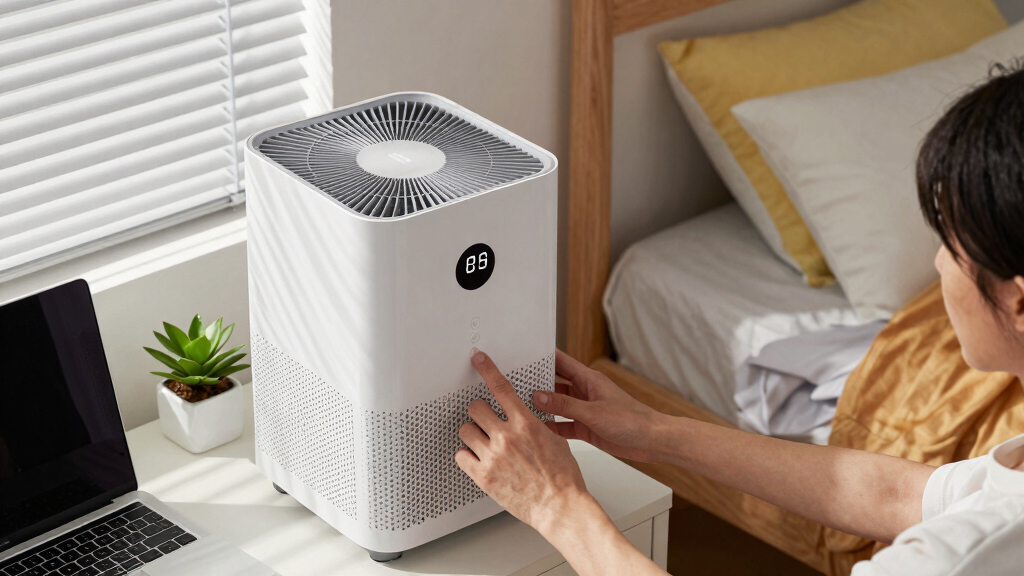
Placement matters: keep the purifier away from walls and on a stable surface.
Regular filter changes are key to maintaining high air quality.
Investing in a quality air purifier dramatically improves sleep, focus, and health in confined spaces.
How to Pick a Dorm Room Air Purifier That Actually Works
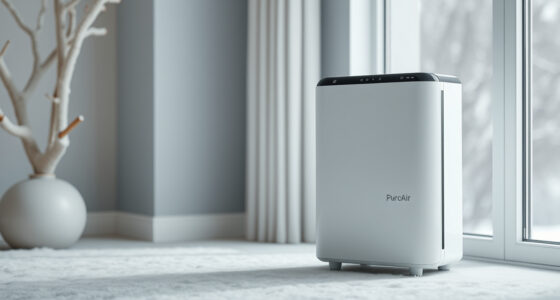
The first step? Focus on size and filtration. A dorm room is usually less than 200 square feet, so choose a lightweight, space-saving model that fits comfortably on your desk or shelf. Look for HEPA filters that trap 99.97% of particles down to 0.3 microns — dust, pollen, pet dander, and mold spores. Want to tackle odors or cigarette smoke? Opt for models with activated carbon filters. Also, check noise levels. You don’t want a white noise machine — just a whisper quiet enough for sleep and study. Lastly, consider models with simple controls and clear filter indicators to keep maintenance hassle-free.
Understanding why these features matter is crucial. HEPA filters are the gold standard because they physically trap tiny airborne particles that can trigger allergies or asthma. Activated carbon filters are essential for neutralizing odors and chemical pollutants, which can linger in small spaces like dorms. Noise levels are more than just a comfort; a noisy purifier can be disruptive to sleep and concentration. Ease of use ensures you maintain the device properly, prolonging its lifespan and effectiveness. Balancing these factors involves tradeoffs: for example, more powerful filters may produce more noise or cost more, so choose based on your priorities and room conditions.
Products Worth Considering

LEVOIT Vital 200S-P Smart Air Purifier for Large Rooms, White

Blueair Blue Pure 311i Max Smart Air Purifier

Levoit Core 300S-P Smart Wi-Fi Air Purifier
As an affiliate, we earn on qualifying purchases.
Latest Tech and Design Trends Making Dorm Purifiers Better
Recent models pack a punch with smart features. Many connect via Wi-Fi or Bluetooth, letting you control or monitor your purifier from your phone. Some even send alerts when filters need replacing. The design focus? Sleek, stylish units that blend into your decor. New filters incorporate UV-C light to kill germs, though their effectiveness varies. Plus, energy-efficient modes keep power bills down, perfect for students on a budget. Allergy and asthma sufferers benefit from models that target common airborne irritants.
These innovations aren’t just about convenience—they directly impact air quality and user experience. Smart controls allow you to adjust settings without disrupting your study or sleep, ensuring the purifier runs optimally at all times. UV-C light can add an extra layer of germicidal action, but it’s important to understand that its effectiveness depends on how well the light is integrated into the device. Energy-efficient modes help reduce electricity costs, making these advanced features accessible to students. Overall, embracing these trends means better air quality management, lower maintenance effort, and a more seamless integration into your daily life.
Compare Your Best Options: 3 Top Dorm Air Purifiers Side-by-Side
| Model | Size & Portability | Filtration | Noise Level | Price |
|---|---|---|---|---|
| PureZone Mini | Lightweight, fits on desk | HEPA + Carbon | Very quiet | $70 |
| SmartClean 2.0 | Compact, easy to move | HEPA + UV-C + Carbon | Moderate | $150 |
| BreatheEasy Lite | Small, affordable | HEPA + Carbon | Quiet | $50 |
What’s the Best Way to Keep Your Dorm Air Clean and Fresh
Maintaining your air purifier is simple but essential. Place it on a stable, flat surface away from walls — at least a foot of clearance helps airflow. Change filters according to manufacturer instructions, typically every 6-12 months. Keep your dorm clean: vacuum carpets, wipe surfaces, and avoid smoking inside. Freshen the air further by opening a window when possible, especially during cleaning or cooking. For roommates with pets or smokers, consider a larger or more powerful model to handle the extra pollutants.
Proper placement and maintenance are vital because they directly affect how well the purifier can circulate and filter indoor air. Placing your device too close to walls or furniture can obstruct airflow, reducing efficiency. Regular filter changes ensure the purifier continues to trap pollutants effectively and prevent mold or bacteria buildup. Keeping your space clean minimizes additional sources of indoor pollutants, allowing your purifier to perform at its best. Opening windows introduces fresh air, diluting indoor contaminants and supporting your purifier’s efforts. For higher pollutant loads, choosing a more capable model ensures you’re not overwhelmed, maintaining a consistently healthy environment.
Should You Really Drop $100+ on an Air Purifier? Here’s Why It’s Worth It
Many students wonder if an air purifier is worth the investment. The answer? Absolutely, if you value better sleep, fewer allergies, and a fresher environment. A quality purifier can reduce airborne dust and odors, making your room feel cleaner almost instantly. For allergy sufferers, it’s like turning a dusty attic into a fresh forest after rain. Plus, with smart features and efficient filters, the right device can last years without costing a fortune in replacements, proving its value over time.
Investing in a higher-quality air purifier isn’t just about immediate comfort; it’s about long-term health benefits. Poor indoor air quality can exacerbate allergies, trigger asthma attacks, and even contribute to respiratory issues over time. By choosing a device with advanced filters and smart controls, you ensure sustained effectiveness, reducing the need for frequent replacements and repairs. While the upfront cost might seem high, the savings on medical expenses, improved focus, and better sleep quality make it a smart, cost-effective decision. In essence, a good purifier is an investment in your health and daily well-being that pays off over years, not just months.
Frequently Asked Questions
Are air purifiers necessary in dorm rooms?
If you have allergies, live with pets, or smoke, an air purifier can significantly improve your indoor air quality. Even without these, dorms often harbor dust, mold, and cooking odors that a purifier helps reduce. It’s a simple way to make your space healthier and more comfortable.
What size air purifier should I get for my dorm?
Look for models designed for spaces under 200 square feet. Compact, lightweight units are best—they’re easy to move and won’t clutter your limited desk or shelf space. Check the product specs for coverage area and choose one that fits your room size comfortably.
How effective are air purifiers against viruses and bacteria?
HEPA filters trap 99.97% of particles as small as 0.3 microns, including many bacteria and some viruses. UV-C light can add germ-killing power, but its effectiveness depends on the design. For viruses, combining HEPA with UV-C offers the best protection, though it’s not a guarantee against all pathogens.
Are air purifiers noisy?
Many modern purifiers operate quietly, with noise levels comparable to a whisper or soft fan. Look for models with ‘sleep mode’ or low fan settings if noise is a concern during sleep or study. Checking reviews for decibel ratings helps ensure you pick a quiet option.
How often do I need to replace filters?
Typically, HEPA filters last 6-12 months, and activated carbon filters every 3-6 months. Some models include indicator lights to remind you. Regular replacement keeps your purifier running at peak performance, maintaining the air quality you want.
Conclusion
In a tiny dorm room, an air purifier isn’t just a gadget — it’s a game-changer. It transforms stale, dust-laden air into a crisp, clean environment. Pick a model that’s compact, effective, and easy to manage. Your future self will thank you for the fresh breath and sharper focus.
Remember: good air quality isn’t a luxury — it’s a necessity, even in small spaces. So, why not start breathing better today?