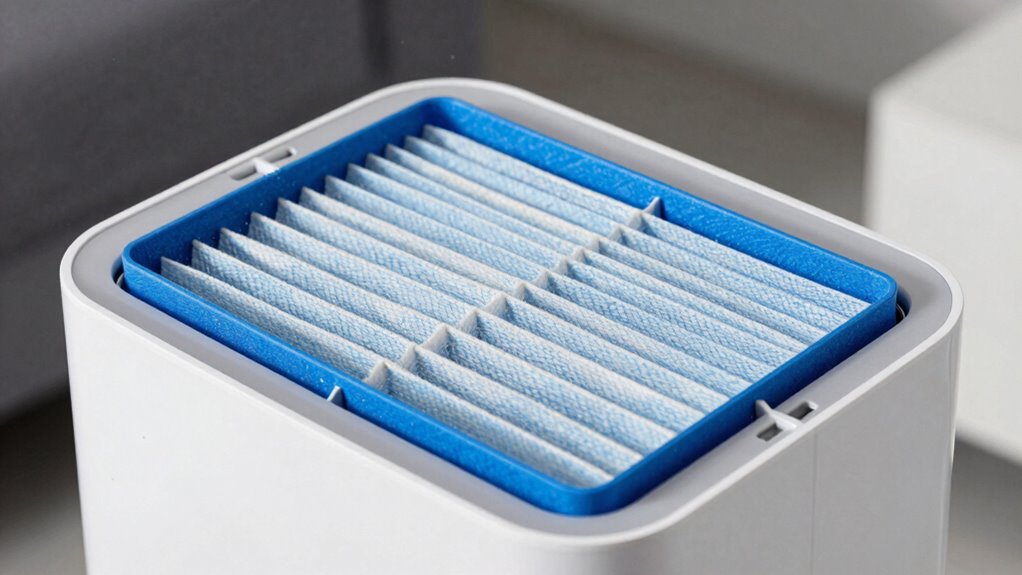
Washable filter layers sound like a great eco-friendly choice, but skipping proper maintenance can cause problems. If you don’t clean and inspect them regularly, dirt and debris can build up, reducing airflow and system efficiency. Moisture from neglected filters can lead to mold growth and health risks. Over time, this can also cause damage or drive up energy costs. Keep these filters in top shape, and you’ll enjoy their benefits longer—and discover how to do it right.

Get home appliances delivered free with Prime
- Fast, free delivery on millions of items
- Prime Video, Amazon Music and more included
- Member-only deals all year
Key Takeaways
- Skipping proper cleaning allows dirt and debris to accumulate, reducing filter effectiveness.
- Neglecting thorough drying can lead to mold growth and health hazards.
- Insufficient inspection may overlook damage, compromising filter performance.
- Failing to follow manufacturer instructions can damage the filter material.
- Inconsistent maintenance decreases air quality and increases system energy costs.
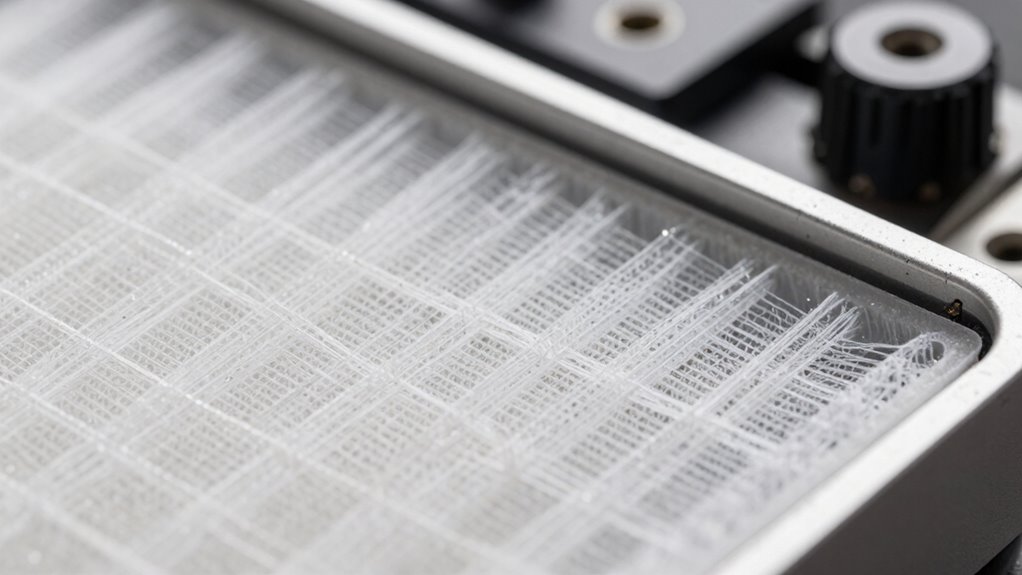
Have you ever wondered how to make your air and water filtration more sustainable and cost-effective? If you’re considering washable filter layers, it’s a smart move toward reducing waste and saving money over time. These filters are reusable, eco-friendly, and often more affordable in the long run. But before you get too excited, there’s an important step many overlook—proper maintenance. Skipping this step can compromise air quality and diminish the benefits of your washable filters.
When you install washable filter layers, you’re taking a significant step toward cleaner air and water. However, if you fail to follow maintenance tips, dirt and debris can build up quickly, clogging the filter and reducing its efficiency. This not only impacts the air quality in your space but can also strain your HVAC system or filtration device, leading to higher energy costs and potential damage. To keep your washable filters performing at their best, regular cleaning is essential. Depending on your environment, you might need to wash them every few weeks or more frequently if you notice a decrease in airflow or an increase in dust and allergens.
Proper maintenance starts with understanding your filter material. Some washable layers require gentle washing with mild soap and water, while others may need specific cleaning agents. Always follow the manufacturer’s instructions to avoid damaging the filter. When washing, make sure to remove all dirt and debris thoroughly and let the filter dry completely before reinstalling. Moisture left on the filter can cause mold growth, which ultimately harms air quality and can pose health risks. Once dry, inspect the filter for any signs of wear or damage. If it’s compromised, replacing it promptly ensures your filtration system continues to perform effectively. Regular inspections can also help identify small issues before they turn into costly repairs. Additionally, incorporating proper cleaning techniques and understanding your filter’s material requirements can further enhance the longevity and effectiveness of your filters. Incorporating scheduled maintenance routines can help maintain consistent air quality and prevent unexpected issues.
Furthermore, keeping an eye on environmental factors such as humidity levels and air pollution can inform your maintenance schedule, making it more efficient.
Products Worth Considering

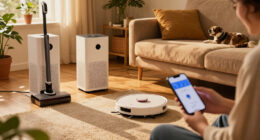
Levoit Vital 100S-P Air Purifier with Washable Pre-Filter

Levoit Core 300S-P Smart Wi-Fi Air Purifier

LEVOIT Vital 200S-P Smart Air Purifier for Large Rooms, White
As an affiliate, we earn on qualifying purchases.
Frequently Asked Questions
How Often Should Washable Filter Layers Be Cleaned?
You should clean washable filter layers at least once a month, following washing frequency guidelines to maintain ideal performance. Regular cleaning helps preserve filter material durability and prevents dirt buildup that can reduce airflow. If you notice visible dirt or decreased efficiency, wash them more often. Always follow the manufacturer’s instructions for cleaning, and guarantee the filters are completely dry before reinstalling to prevent mold and bacteria growth.
Do Washable Filters Lose Effectiveness Over Time?
Yes, washable filters can lose effectiveness over time. As you wash and reuse them, filter longevity depends on material durability. If you neglect proper cleaning or use low-quality materials, the filters may weaken, allowing dust and allergens to slip through. To maintain maximum efficiency, regularly inspect your filters, follow cleaning instructions, and replace them when they show signs of wear. Protect your space by prioritizing proper maintenance and mindful material choices.
Are Washable Filters Suitable for All Types of Masks?
Washable filters aren’t suitable for all mask types. Their effectiveness depends on proper filter maintenance and material durability. If you don’t follow the manufacturer’s cleaning instructions, the filter’s performance can decline quickly. Some materials might degrade or lose efficacy after multiple washes. Always check if your mask’s filter is designed for repeated washing and make sure you’re cleaning it correctly to maintain its protective qualities over time.
Can Washable Filters Be Used Multiple Times Without Replacement?
Yes, washable filters can often be used multiple times without needing replacement, but it depends on the filter material durability. If you follow proper cleaning instructions, they last longer and save money. Keep in mind, the cost comparison shows washable filters are more economical over time than disposable ones. However, check the manufacturer’s guidelines to verify the filter maintains its effectiveness after repeated washes.
What Materials Are Best for Washable Filter Layers?
You might think all materials are equally good, but for washable filter layers, choose eco-friendly fabrics like tightly woven cotton or HEPA-rated microfiber. These materials offer better filter material durability and maintain filtration efficiency after multiple washes. Avoid flimsy fabrics, which break down quickly. Using quality, eco-friendly options guarantees your filters stay effective and last longer, saving you money and reducing environmental impact. Always follow manufacturer instructions for washing to maintain performance.
Conclusion
Skipping the step to properly maintain your washable filter layers can reduce their effectiveness by up to 50%, meaning you’re not getting the full benefits of cleaner air. Remember, regular care extends your filter’s lifespan and guarantees peak performance. Don’t overlook this simple step—your health depends on it. Taking just a few minutes to clean and inspect your filters can make a significant difference in indoor air quality, keeping you safer and healthier every day.