Understanding the difference between carbon and charcoal is key to choosing the right air filter. While charcoal is a processed form of carbon, not all carbon filters contain the same type or quality of charcoal, which affects their filtering ability. Activated carbon, often made from charcoal, provides a large surface area for absorption. Recognizing this terminology trap helps you make better decisions—if you want to grasp these differences fully, there’s more to uncover ahead.
Key Takeaways
- “Carbon” is a broad term; “charcoal” is a processed form of carbon used in filters, often activated for enhanced adsorption.
- “Charcoal” filters typically refer to activated carbon filters, which are more effective due to increased surface area.
- Using precise terminology clarifies filter capabilities—activated carbon filters are designed for specific contaminants and odors.
- Mislabeling filters as just “charcoal” or “carbon” can cause confusion about their effectiveness and proper application.
- Understanding the distinction helps select the right filter for air purification, water treatment, or odor removal.
What Are Carbon and Charcoal? Differences Explained
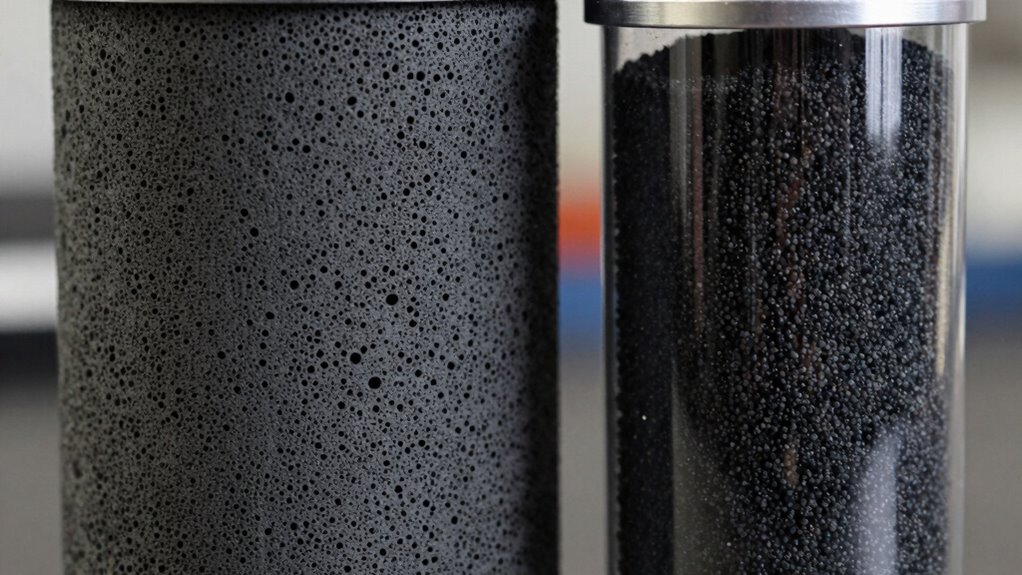
Have you ever wondered what exactly sets carbon and charcoal apart? Clarifying the terminology helps you understand their differences. Carbon is a broad term for a naturally abundant element found in many forms, including charcoal. Charcoal is a specific type of carbon created by heating organic materials in low-oxygen environments, resulting in a porous, black substance. Material distinctions are essential here: charcoal’s structure makes it ideal for filtration, while other carbon forms serve different purposes like industrial use or energy. Recognizing that charcoal is a form of processed carbon helps avoid confusion. This terminology clarity clarifies that although related, carbon and charcoal are not interchangeable, each with unique characteristics suited to particular applications. Understanding material processing methods further emphasizes the differences between various carbon forms and their uses, impacting their effectiveness in filtration and industrial applications. Additionally, knowledge of carbon types can help consumers make informed choices for specific needs.
How Are Carbon Filters Made and How Do They Work?
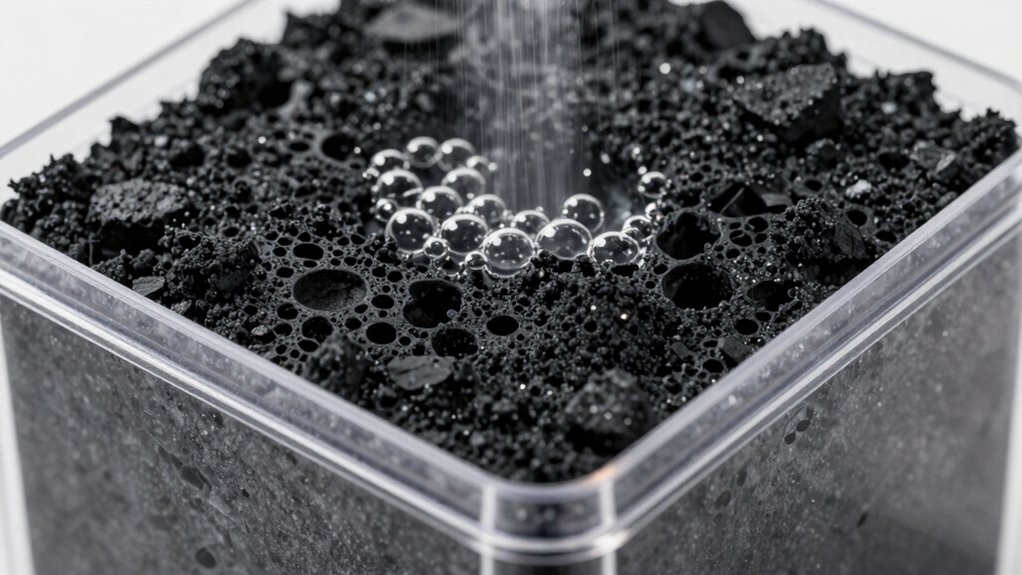
You might wonder how carbon filters are made and how they trap impurities. The manufacturing process involves activating carbon to create a porous structure, which enhances its ability to filter. This structure captures particles and chemicals through absorption, making the filtration process effective. Additionally, understanding air purification technology can help travelers select environments with cleaner air, benefiting from the filtration process. Recognizing how carbon activation enhances filter performance can also aid in choosing the right filtration system for specific needs. Moreover, advancements in filter materials continue to improve the efficiency and lifespan of carbon filters. For example, the development of adsorption techniques helps improve the capacity of filters to remove contaminants more effectively.
Manufacturing Process Overview
Carbon filters are typically made by processing raw carbon-rich materials, such as coconut shells, coal, or wood, through a series of heating and activation steps. During manufacturing, strict standards guarantee quality and consistency, adhering to industry manufacturing standards. Material sourcing is essential; high-quality raw materials are selected for ideal porosity and adsorption capacity. The heating process, often involving controlled pyrolysis, removes impurities and develops a porous structure. Activation, either physical or chemical, enhances surface area, making the carbon effective at trapping contaminants. Once activated, the material is cooled, crushed, and formed into filter media. This careful process guarantees the final product efficiently meets filtration needs while maintaining safety and durability. Proper activation techniques are crucial to optimize filter performance and lifespan.
Filtration Mechanism Details
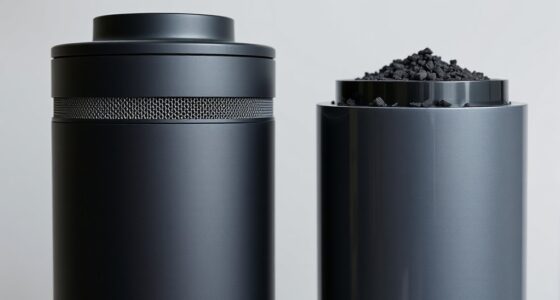
The manufacturing process creates a highly porous structure in activated carbon, which is key to its filtering ability. This pore structure provides a vast surface area where the adsorption process occurs. When contaminated air or water passes through the filter, pollutants are attracted and held onto the surface of these pores. Unlike filtration that physically blocks particles, adsorption captures impurities at a molecular level. The extensive pore network allows the activated carbon to trap a variety of substances, including gases, odors, and chemicals. This mechanism makes carbon filters highly effective for purification. The efficiency depends on the pore size distribution and surface area, which are carefully developed during production to maximize adsorption capacity. That’s how your carbon filter works so effectively at removing unwanted contaminants.
How Do Charcoal Filters Compare to Other Carbon Air Filters?

While charcoal filters are popular for air purification, they often differ in effectiveness compared to other carbon-based filters. These differences impact air quality and filter maintenance. Generally, other carbon filters may offer enhanced performance through various forms or treatments. For example:
Charcoal filters vary in effectiveness, with other carbon options often offering improved air quality and lower maintenance.
- Activated Carbon Sheets: These provide a larger surface area, improving odor and pollutant removal.
- Granular Activated Carbon: Loose granules allow for better airflow but require more frequent filter maintenance.
- Impregnated Carbon: Treated with chemicals to target specific contaminants, increasing effectiveness for certain pollutants. Additionally, adsorption capacity varies significantly between filter types, influencing how long a filter remains effective before replacement. Understanding the different types of filters and their surface area can help you select the most suitable option for your environment. Furthermore, knowledge of filter lifespan can assist in scheduling timely replacements to maintain optimal air quality.
When Should You Use Charcoal Filters Instead of Other Types?
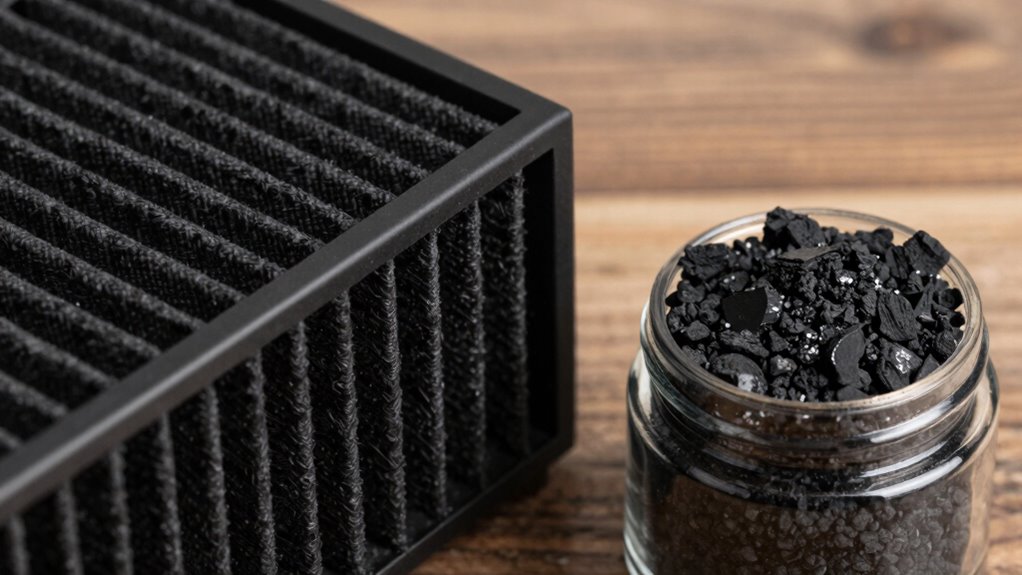
Charcoal filters are a practical choice when you need a simple, cost-effective solution for basic odor control and air purification. They work well in household use, such as removing cooking smells, pet odors, or smoke from the air. If your needs are straightforward and you don’t require advanced filtration, charcoal filters are a reliable option. In industrial applications, they are suitable for preliminary air cleaning or odor reduction, especially when complex pollutants aren’t involved. Charcoal filters are easy to replace and maintain, making them ideal for everyday use. Additionally, their affordability makes them accessible for many consumers seeking effective odor control on a budget. Their versatility allows them to be used in a variety of settings, from home kitchens to small commercial spaces. When considering different filtration methods, understanding filter media can help you choose the most appropriate solution for your specific needs. It’s also important to consider replacement frequency, as regular maintenance ensures optimal performance. However, if you need to target specific chemicals or contaminants in more demanding environments, other types of filters might be more effective. Use charcoal filters when affordability, simplicity, and general odor control are your priorities. Understanding filtration options can help you select the most suitable solution for your specific needs.
Common Myths and Mistakes About Carbon and Charcoal Filters
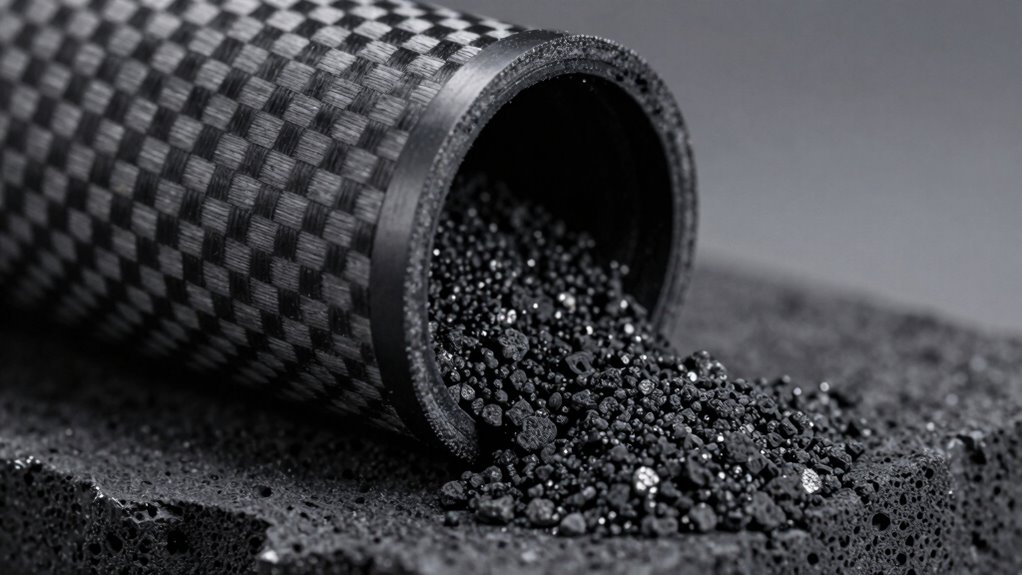
Many people get confused about different filter types or use terms interchangeably, which can lead to mistakes. You might overestimate how well a filter removes certain contaminants or misjudge its actual capabilities. Clarifying these myths helps you choose the right filter and avoid costly errors.
Misunderstanding Filter Types
Understanding the differences between carbon and charcoal filters can be confusing because people often assume they serve the same purpose or are interchangeable. This misunderstanding stems from vague filter terminology and misleading product marketing. To clarify:
- Some believe both filters are identical, but they differ in material processing and application.
- Many assume charcoal filters are just raw charcoal, ignoring that activated carbon is usually used for filtration.
- Others think all filters with “charcoal” label are equally effective, overlooking variations in quality and design.
- Recognizing the Free Floating nature of these materials can help clarify their specific roles and optimal uses in filtration systems. Additionally, understanding the material composition of each filter type can prevent misapplication and enhance filtration efficiency.
These misconceptions can lead to choosing the wrong filter for your needs. Recognizing the specific roles of these materials helps you avoid confusion and makes your selection more informed. Clear filter terminology is essential to understanding what each product offers.
Confusing Terminology Accuracy
Confusing terminology around carbon and charcoal filters leads to many common myths and mistakes. Many people assume these terms are interchangeable, but maintaining terminology clarity is essential for understanding their differences. Using “carbon” and “charcoal” interchangeably can create misconceptions about filter effectiveness and material properties. To guarantee technical accuracy, it’s important to recognize that “activated carbon” refers to processed charcoal with increased surface area, making it highly effective for filtration. Misusing these terms can lead to overestimating or underestimating a filter’s capabilities. Clear, precise language helps avoid misunderstandings, ensuring you select the right filter for your needs. Accurate terminology supports better decision-making and helps you understand what to expect from different filtration systems.
Overestimating Filtration Effectiveness
It’s common for people to believe that charcoal and activated carbon filters can eliminate all contaminants effortlessly, but this overconfidence can lead to overestimating their actual capabilities. Many assume these filters work indefinitely without replacement, ignoring the importance of filter lifespan. This misconception affects odor removal, as a saturated filter loses effectiveness quickly. To avoid this mistake, keep in mind:
- Filters need regular replacement to maintain odor removal and filtration efficacy.
- The lifespan varies depending on usage and contaminant levels.
- Overestimating filter performance can result in unfiltered water or air, risking health and safety.
Understanding these limits helps you use your filter effectively, ensuring ideal odor removal and contaminant reduction without false expectations.
How to Choose the Right Air Filter for Your Needs

Are you unsure how to pick the right air filter for your space? First, consider your needs: do you want to eliminate odors, improve air quality, or both? Next, evaluate your space size and filter compatibility. Here’s a quick guide:
| Goal | Suitable Filter Type | Maintenance Tips |
|---|---|---|
| Odor removal | Charcoal/activated carbon | Replace regularly; check for saturation |
| Air purification | HEPA filters | Clean or replace as recommended |
| General air quality | Combo filters | Follow installation tips for best results |
| Sensitive environment | High-efficiency filters | Regular maintenance routines needed |
Choose a filter that matches your needs, fits your space, and follow the proper installation tips and maintenance routines for optimal performance.
Frequently Asked Questions
Can Charcoal Filters Remove Gases Other Than VOCS?
Yes, charcoal filters can remove gases other than VOCs through gas filtration and chemical absorption. When you use these filters, they trap a variety of gases like odors, smoke, and certain chemicals, not just VOCs. The porous structure of charcoal allows it to adsorb different gases effectively. So, if you’re aiming to improve air quality, charcoal filters are versatile options for removing a broad range of airborne contaminants.
Are There Environmental Impacts of Disposing Used Carbon or Charcoal Filters?
When you discard used filters, you’re releasing potential pollutants into the environment, like casting aside a shadow of your impact. The disposal of filter materials can contribute to environmental impact, especially if not handled properly. To minimize this, consider recycling or following proper disposal guidelines. Your choices in filter disposal safeguard ecosystems, ensuring your efforts to improve indoor air quality don’t come at nature’s expense.
How Long Do Carbon and Charcoal Filters Typically Last?
You’ll find that carbon and charcoal filters usually last between 3 to 6 months, depending on usage and air quality. Check the filter lifespan provided by the manufacturer and stick to recommended replacement intervals to guarantee peak performance. Regularly inspect your filters, and replace them when they look dirty or if airflow decreases. This helps maintain air quality and prevents buildup of contaminants over time.
Do Different Brands of Filters Offer Varying Levels of Effectiveness?
You’ll notice that different brands of filters can vary considerably in effectiveness. For example, a hypothetical brand might claim high filtration but deliver inconsistent results due to quality control issues. Brand variability impacts filter consistency, meaning some brands maintain performance longer, while others degrade quickly. To guarantee you get the best protection, research reputable brands known for reliable quality, and check reviews to confirm their effectiveness matches your needs.
Are There Health Risks Associated With Improperly Maintained Filters?
Yes, improperly maintained filters can pose health hazards. If you neglect filter maintenance, dust, mold, or bacteria can accumulate, releasing harmful particles into the air you breathe. Regularly cleaning or replacing your filters reduces these risks. Failing to do so may lead to respiratory issues or allergic reactions. So, stay vigilant with your filter maintenance to protect your health and guarantee your filtration system works effectively.
Conclusion
Exploring the world of filters can feel like walking through a maze of shadows and light. Remember, knowing the difference between carbon and charcoal clears the fog, guiding you to the perfect filter for your space. Whether you’re battling odors or pure air, choosing wisely keeps your environment fresh and vibrant—like a breath of spring wind. Trust your knowledge, and let your air flow free, clear, and effortlessly clean.