
When choosing a carbon filter, thickness matters more than fancy marketing claims because thicker filters hold more activated carbon, which improves their ability to trap chemicals, odors, and VOCs. They last longer, clog less, and provide consistent performance over time. Thin filters may look impressive but quickly reach saturation, reducing effectiveness. Prioritizing thickness ensures better filtration, health, and value. Keep exploring to discover how solid specifications truly make a difference in your filter’s performance.

Get home appliances delivered free with Prime
- Fast, free delivery on millions of items
- Prime Video, Amazon Music and more included
- Member-only deals all year
Key Takeaways
- Thicker filters have higher adsorption capacity, trapping more contaminants before saturation.
- Increased thickness ensures longer lifespan and reduces replacement frequency.
- Thickness is a reliable indicator of filter performance, unlike flashy but ineffective features.
- Thicker filters better resist clogging, maintaining consistent filtration over time.
- Prioritizing thickness delivers real health benefits and long-term cost savings over marketing hype.
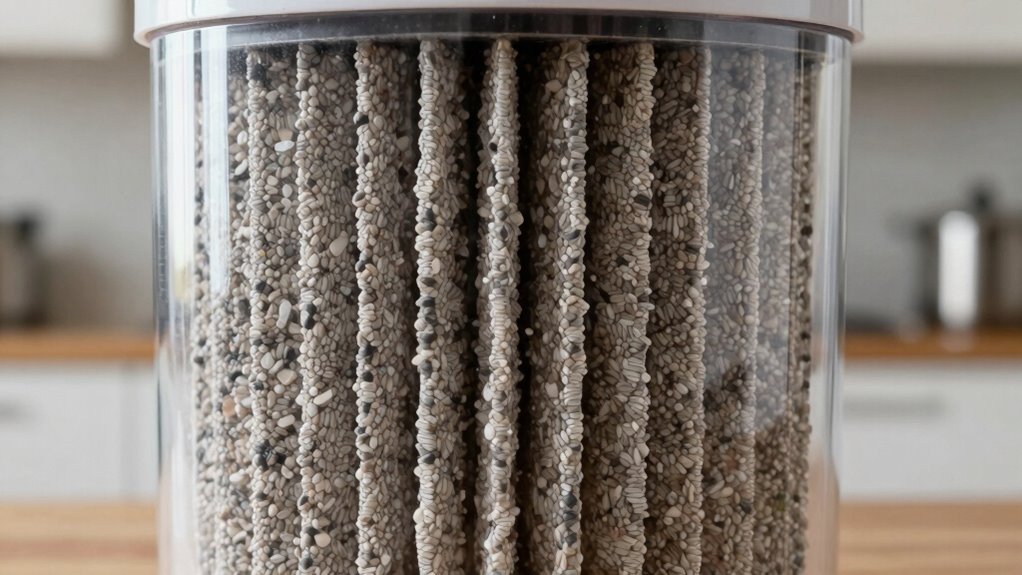
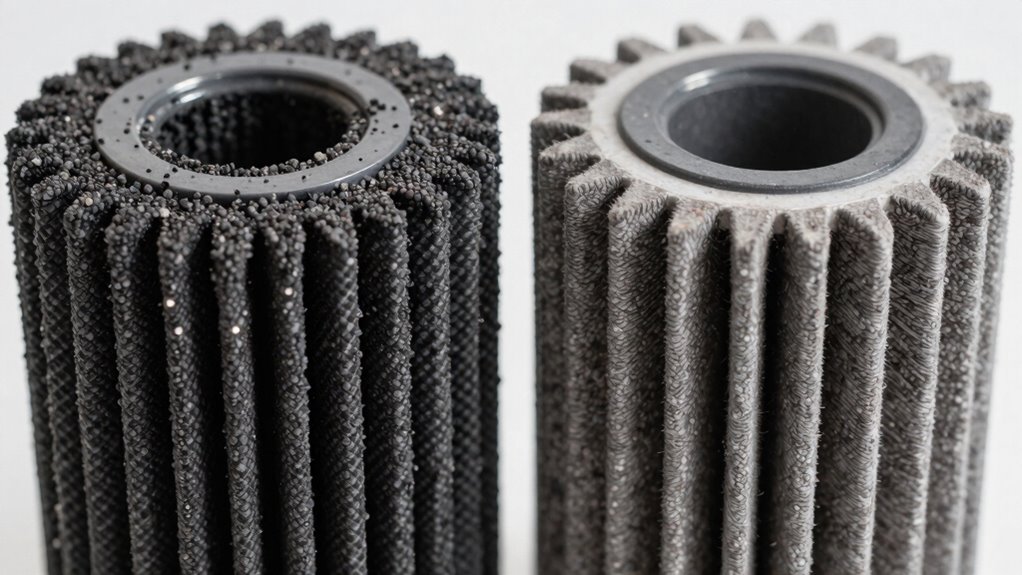
When choosing a carbon filter, understanding its thickness is essential because it directly impacts its ability to remove contaminants effectively. Thicker filters generally have a higher adsorption capacity, meaning they can trap more impurities before becoming saturated. This is crucial because the adsorption capacity determines how well your filter can handle pollutants like chemicals, odors, and volatile organic compounds (VOCs). If the filter isn’t thick enough, it will reach its saturation point quickly, allowing contaminants to slip through and compromising the purity of your water or air. Conversely, a thicker filter boasts a greater surface area, which enhances its ability to adsorb contaminants over a longer period. This translates into improved filter longevity, so you won’t need to replace it as often, saving you money and hassle. Additionally, understanding the importance of filter performance can help you make smarter choices when selecting filtration products. Many manufacturers emphasize flashy features—like intricate designs or high-tech labels—that often overshadow the fundamental importance of thickness. It’s also worth noting that the filter material plays a secondary role, but without sufficient thickness, even the best materials can’t perform optimally. It’s tempting to fall for marketing that promises the best filtration with minimal details about the core filter material. But when it comes to removing impurities effectively, thickness is a more reliable indicator than marketing hype. A thin filter might look impressive in a brochure but will likely have a lower adsorption capacity. This means it’ll clog faster and require frequent replacements, reducing its overall efficiency and increasing long-term costs. Thicker filters, although sometimes bulkier, provide a more consistent performance because they hold more activated carbon, which directly correlates with their capacity to adsorb contaminants. Moreover, selecting a thicker filter can contribute to better air and water quality, which is essential for health and comfort. Understanding the manufacturing process behind filters can also give insight into their durability and effectiveness. You should prioritize the filter’s thickness because it’s a practical measure of its potential performance and lifespan. A thicker filter not only traps more pollutants but also maintains its efficacy over a longer period. This means fewer replacements and less maintenance, which ultimately saves you money and time. While other features like pore size or activated carbon quality matter, they’re secondary to the core principle: the thicker the filter, the more contaminants it can handle before needing replacement. So, don’t get swayed by marketing claims that focus solely on fancy features. Instead, look for the actual specifications, especially the thickness, to ensure you’re choosing a filter that offers real, lasting value. Remember, when it comes to effective filtration, thickness makes all the difference.
thick activated carbon water filter
As an affiliate, we earn on qualifying purchases.
As an affiliate, we earn on qualifying purchases.
Frequently Asked Questions
How Does Filter Thickness Affect Odor Removal Efficiency?
Thicker filters improve odor removal efficiency because they increase the adsorption capacity, allowing more scent molecules to be absorbed. When you use a thicker carbon filter, it provides a larger surface area for scent absorption, which results in better odor control. This means you’ll notice fewer lingering smells and fresher air, especially in spaces with persistent odors. Overall, the increased thickness guarantees your filter works more effectively over time.
Is Thicker Carbon Filter More Cost-Effective Long-Term?
Yes, a thicker carbon filter is more cost-effective long-term because it has a longer filter lifespan, meaning you replace it less often. Although it might cost more upfront, the extended lifespan reduces ongoing expenses, making it a smart cost comparison. Over time, you’ll save money and enjoy better odor removal, as thicker filters maintain their efficiency longer, providing consistent air quality without frequent replacements.
Can a Thinner Filter Perform Just as Well?
A thinner filter generally can’t perform as well because it has less filter material to adsorb contaminants. For example, a case study shows a thinner filter quickly becomes saturated, reducing its effectiveness. The manufacturing process influences this too—better quality materials and precise layering can improve performance, but ultimately, thicker filters provide more surface area for adsorption. So, a thinner filter usually won’t match the efficiency of a thicker one.
How Often Should Thicker Filters Be Replaced?
Thicker filters typically last longer, so you should replace them every 12 to 24 months, depending on your usage and air quality. This guarantees peak filter lifespan and maintains effective filtration. Regular maintenance frequency is essential because a worn-out filter can reduce air quality and strain your system. Check your filter monthly and replace it sooner if you notice dirt buildup or decreased airflow, even if it’s before the recommended interval.
Does Thicker Carbon Filter Increase Airflow Resistance?
Thicker carbon filters do increase airflow restriction, much like a clogged pipe slows water flow. You might notice your system working harder, which can reduce filter durability over time. When you opt for a thicker filter, you’re trading off some airflow for better filtration. If airflow restriction becomes too high, it can strain your system, so choose a balance that maintains effective filtration without overly compromising airflow.
As an affiliate, we earn on qualifying purchases.
Conclusion
Remember, when choosing a carbon filter, thickness isn’t just a number—it’s your shield against unseen dangers. Don’t be swayed by flashy marketing or slick promises; instead, trust the thicker filters to truly purify your air and protect your loved ones. Think of it as a fortress guarding your home’s health. Sometimes, the simplest choice, like opting for a thicker filter, makes all the difference between breathing easy and risking the unseen. Your health deserves that extra layer of protection.
long-lasting carbon water filter
As an affiliate, we earn on qualifying purchases.
As an affiliate, we earn on qualifying purchases.
As an affiliate, we earn on qualifying purchases.
NFL season / tailgating Picks
team gear
As an affiliate, we earn on qualifying purchases.