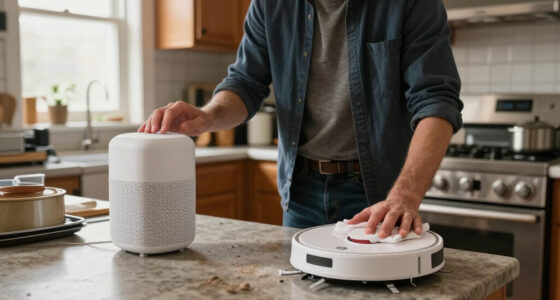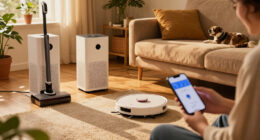
Allergy-proofing your guest room is easier than you think. You can reduce airborne allergens by using HEPA filters, maintaining proper ventilation, and cleaning regularly. Choosing hypoallergenic bedding and washing it weekly helps block dust mites. Keep clutter minimal, vacuum often, and replace carpets with hard floors. Managing pet dander and checking for mold also make a big difference. Follow these simple steps, and you’ll create a healthier space guests will appreciate—there’s more to discover on how to do it effectively.

Get home appliances delivered free with Prime
- Fast, free delivery on millions of items
- Prime Video, Amazon Music and more included
- Member-only deals all year
Key Takeaways
- Use HEPA air purifiers and ensure proper ventilation to reduce airborne allergens.
- Choose hypoallergenic bedding and wash it weekly in hot water.
- Keep the room clean, clutter-free, and vacuum with HEPA-filtered vacuums regularly.
- Limit pet access and control moisture to prevent mold and dander buildup.
- Maintain clean HVAC filters and use washable window coverings for ongoing allergen control.
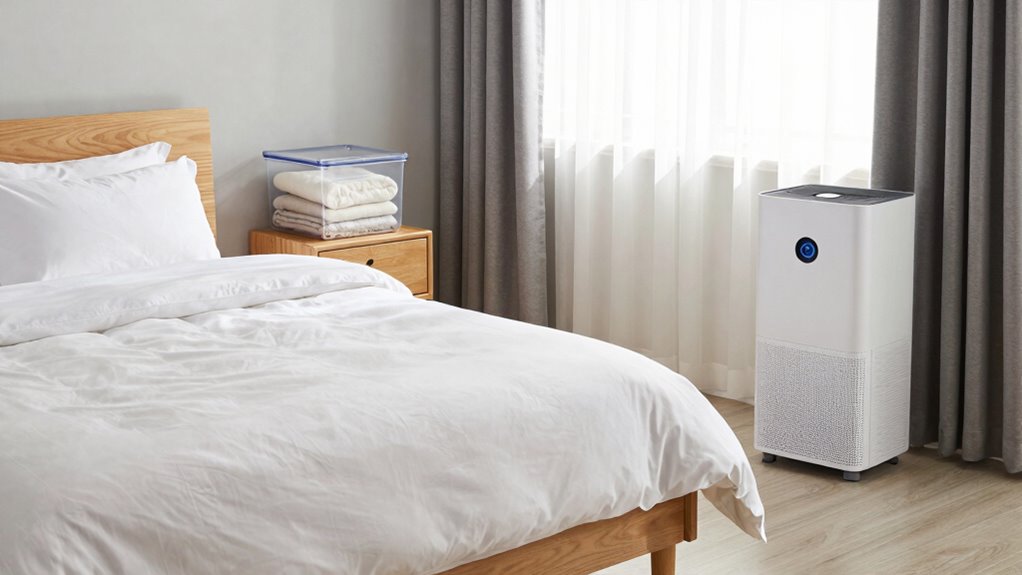
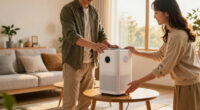
Have you ever hosted someone with allergies and worried about triggering their symptoms? It’s a common concern, but making your guest room allergy-proof isn’t as complicated as it seems. The key lies in understanding how to reduce common allergens like dust mites, pet dander, and mold, which often trigger allergic reactions. One of the first steps is to improve air quality with an air purifier. You might wonder about air purifier effectiveness, but many modern units are highly efficient at capturing airborne allergens. Look for models with HEPA filters, as they can trap tiny particles that cause allergies. Running the air purifier regularly can significantly reduce airborne irritants, making the space safer and more comfortable for your guest. Proper ventilation also plays a vital role in maintaining healthy indoor air quality, helping to disperse allergens and prevent mold growth. Additionally, air circulation strategies can help prevent the buildup of allergens and improve overall room freshness.
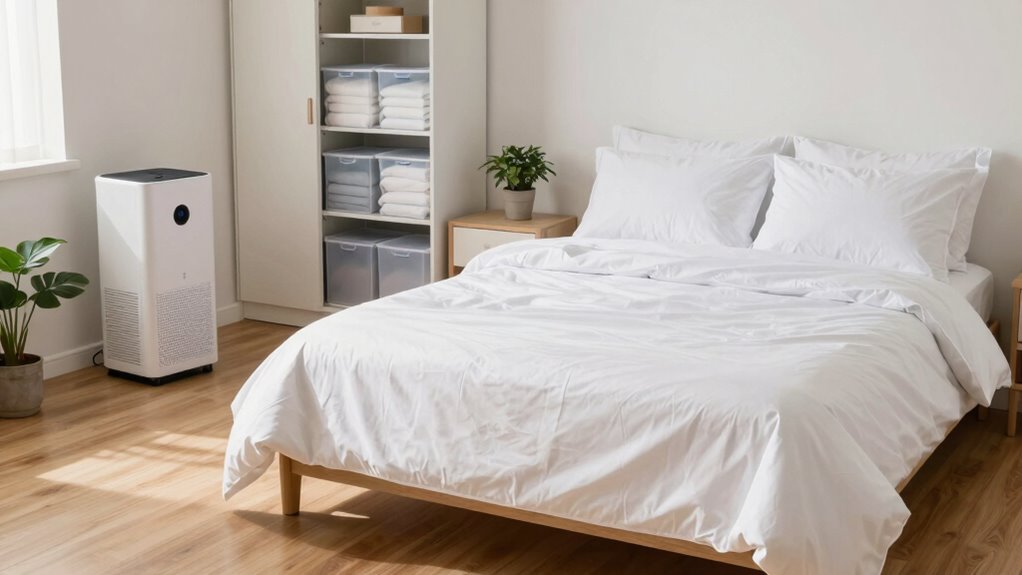
Next, consider hypoallergenic bedding options. These are specially designed to minimize dust mites and other allergens that thrive in traditional bedding. Hypoallergenic mattress and pillow covers create a barrier that prevents allergens from accumulating, while hypoallergenic bedding made from tightly woven fabrics reduces the likelihood of dust mites settling in. When you pair these options with frequent washing—ideally weekly—in hot water, you’ll dramatically cut down on allergens lurking in bedding. Installing a clean, allergen-free sleeping environment shows your guest you care about their comfort and health.
Beyond bedding and air quality, keep the room tidy and free of clutter that can trap dust. Vacuum carpets and rugs regularly with a vacuum equipped with a HEPA filter. If you have wall-to-wall carpeting, consider replacing it with hard flooring or low-pile rugs, which are easier to clean and less likely to harbor dust mites. Wash curtains frequently or replace heavy drapes with washable blinds. These small changes can prevent allergens from building up in the room over time. Additionally, proper cleaning techniques can further reduce dust accumulation and keep allergens at bay. Regularly maintaining HVAC systems and filters is also essential for ongoing allergen control. Incorporating air circulation strategies can also help maintain a fresh environment by dispersing airborne particles more effectively.
If you have pets, it’s best to keep them out of the guest room during their visit, or at least ensure they’re thoroughly groomed and not shedding excessively. Keep the room well-ventilated to help disperse any lingering pet dander. Also, check for mold or mildew, especially in humid environments. Fix leaks and use dehumidifiers if necessary, since mold is a common allergen that can be managed with proper moisture control. Proper moisture levels can help prevent mold growth and improve overall air quality.
Products Worth Considering

Levoit Vital 100S-P Air Purifier with Washable Pre-Filter

DREAME D20 Air Plus Robot Vacuum and Mop with Auto-Empty Dock

LEVOIT Vital 200S-P Smart Air Purifier for Large Rooms, White
As an affiliate, we earn on qualifying purchases.
Frequently Asked Questions
Can I Allergy-Proof a Guest Room Without Replacing All Furniture?
Yes, you can allergy-proof a guest room without replacing all furniture by using effective allergy proofing techniques. Focus on allergen control strategies like washing bedding in hot water, using allergen-proof covers on pillows and mattresses, and keeping the room clean and dust-free. Regular vacuuming with a HEPA filter and removing clutter also help. These simple steps considerably reduce allergens and create a more comfortable space for your guests.
What Are the Best Allergy-Friendly Bedding Options?
You should choose hypoallergenic materials like tightly woven cotton, bamboo, or microfiber for allergy-friendly bedding. These options resist dust mites and allergens better. Opt for washable bedding, as regular bedding maintenance helps keep allergens at bay. Look for hypoallergenic pillow and mattress protectors, and wash them weekly in hot water. This routine reduces allergen buildup and creates a healthier environment for your guests, ensuring a comfortable, allergy-free stay.
How Often Should I Clean Allergen-Prone Areas?
You should clean allergen-prone areas at least once a week to keep dust mites and mold spores at bay. Regular dusting, vacuuming with a HEPA filter, and wiping down surfaces help reduce allergens. Pay special attention to bedding, curtains, and carpets. Ventilate the room frequently to prevent mold growth. Consistent cleaning minimizes exposure, making your guest room safer and more comfortable for allergy sufferers.
Are Air Purifiers Effective for Allergy-Proofing?
Air purifiers are highly effective, removing up to 99% of airborne allergens. Regular air purifier maintenance guarantees they work at their best, while the cost comparison shows they’re affordable compared to allergy medications. You should change filters as recommended to keep it efficient. Investing in an air purifier makes a noticeable difference, helping your guest breathe easier and reducing allergy symptoms in your guest room.
Can Pets Stay in Allergy-Proofed Guest Rooms?
Pets can stay in allergy-proofed guest rooms, but you’ll want to take into account pet allergies and guest comfort. If your guest has pet allergies, it’s best to keep pets out of the room or guarantee thorough cleaning afterward. Using allergy-proof bedding, HEPA filters, and regular vacuuming helps reduce allergens. Communicating with your guests about pet presence and implementing these steps ensures a comfortable stay for everyone.
Conclusion
So, don’t wait to make your guest room allergy-proof. With just a few simple steps, you can create a safe, welcoming space that might just surprise you — and your guests — in ways you never expected. But what if the smallest change could make the biggest difference? Imagine the comfort your guests will feel, knowing you’ve gone the extra mile. The secret to truly caring for your loved ones is closer than you think — are you ready to discover it?