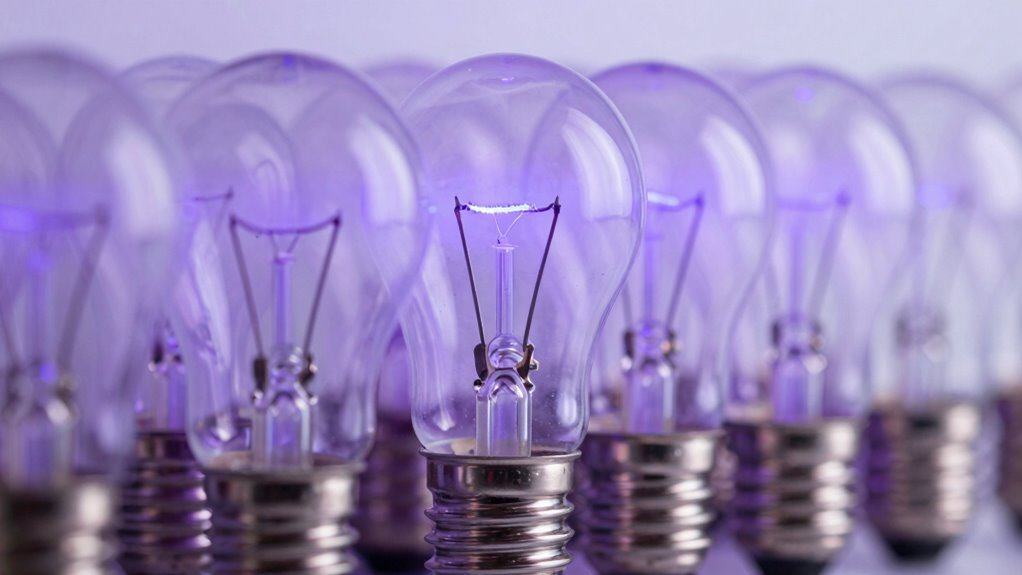

UV replacement bulbs tend to lose their sterilization power well before they burn out entirely. As the bulb ages, its UV intensity gradually diminishes, making it less effective at killing bacteria and viruses. You might notice the bulb still glows, but its germ-killing capability has reduced. Regularly monitoring performance and replacing bulbs every 9-12 months guarantees maximum safety. If you want to understand how to keep your sterilization reliable, stick with us to learn more.

Get home appliances delivered free with Prime
- Fast, free delivery on millions of items
- Prime Video, Amazon Music and more included
- Member-only deals all year
Key Takeaways
- UV bulbs gradually decline in sterilization power as they age, not just when they burn out.
- Reduced UV intensity over time diminishes their ability to kill bacteria and viruses effectively.
- Visual appearance or usage duration alone cannot reliably indicate UV bulb degradation.
- Most manufacturers recommend replacing UV bulbs every 9-12 months to maintain effectiveness.
- Continuing to use weakened bulbs risks compromised sterilization and potential health hazards.

Are your UV bulbs no longer providing the sterilization power they once did? This is a common issue that many people face, and it often leads to confusion about when to replace them. UV bulbs don’t suddenly stop working; instead, they gradually lose their effectiveness over time. UV bulb lifespan, which varies depending on the bulb type and usage, is a critical factor in maintaining sterilization quality. As the UV intensity diminishes, it becomes less capable of killing bacteria and viruses, meaning your sterilization process isn’t as dependable as it should be. Recognizing the signs of weakening UV output is vital for maintaining a safe environment.
Understanding the significance of proper replacement scheduling is key to guaranteeing your UV sterilization system remains effective. Most manufacturers recommend replacing UV bulbs after a certain period, typically between 9 and 12 months of use, even if the bulb still appears functional. This recommendation is based on the gradual decrease in UV intensity, which isn’t always visible to the naked eye. Relying solely on the bulb’s appearance or the elapsed time can be misleading. Instead, you should pay attention to the bulb’s performance and follow a regular replacement schedule to prevent sterilization failures. Keeping track of your UV bulb’s age and replacing it proactively guarantees you’re always getting ideal UV output. Regular monitoring of UV bulb degradation can help you better anticipate when replacements are necessary.
You might notice that your UV bulb still lights up but isn’t sterilizing as effectively. This is a sign that it’s nearing the end of its UV bulb lifespan. Over time, the UV-emitting components inside the bulb degrade, reducing its germ-killing power. If you continue to use a weakened bulb, you risk allowing harmful microorganisms to survive, defeating the purpose of your sterilization system. To avoid this, set reminders for replacement based on your system’s recommendations and your usage patterns. It’s better to replace a slightly used bulb than to wait until it completely fails, as that can compromise your safety. Additionally, understanding UV bulb degradation can help you better anticipate when replacements are necessary. Being aware of the UV bulb lifespan and its impact on sterilization effectiveness ensures you maintain a safe environment.
UV sterilization bulb replacement
As an affiliate, we earn on qualifying purchases.
As an affiliate, we earn on qualifying purchases.
Frequently Asked Questions
How Can I Tell if My UV Bulb Is Losing Strength?
You can tell if your UV bulb is losing strength by observing changes in light intensity indicators, which often diminish as the bulb’s UV output weakens. Over time, UV bulb longevity decreases, so if you notice less effective sterilization or shorter UV exposure, it’s likely losing its power. Regularly check these indicators and replace the bulb according to manufacturer recommendations to guarantee ideal performance.
Are There Specific Brands That Last Longer?
Yes, some brands are known for better durability and longer bulb longevity. You should look for reputable brands like UVPure, Philips, or GE, as they often produce UV bulbs that last longer and maintain strength over time. These brands invest in high-quality materials, which help prevent premature weakening. Always check product reviews and specifications, and consider replacing bulbs before they reach the end of their expected lifespan to guarantee maximum performance.
Can I Increase Bulb Lifespan With Proper Maintenance?
Think of your UV bulb as a delicate seed that needs nurturing. Proper maintenance tips can considerably extend its lifespan, boosting UV bulb durability. Regular cleaning to remove dust and debris, avoiding frequent on/off cycles, and ensuring correct installation prevent premature weakening. By caring for your bulb, you help it reach its full potential, maintaining its strength longer and ensuring your device functions ideally.
What Are the Signs of a Failing UV Replacement Bulb?
You’ll notice a failing UV replacement bulb when the UV intensity diminishes, causing your device’s effectiveness to drop. You might see reduced sterilization or longer treatment times. Always prioritize UV safety by avoiding direct exposure and handle bulb disposal carefully, as used bulbs can contain hazardous materials. Replace the bulb promptly to maintain safety and efficiency, and dispose of it according to local regulations to protect the environment.
How Often Should I Replace My UV Bulbs for Optimal Performance?
You should replace your UV bulbs every 9 to 12 months for ideal lighting installation and UV bulb safety. Think of it like giving your equipment a spa day—less about waiting for that faint glow and more about proactive care. Neglecting this schedule risks diminished performance, so stay ahead to keep your UV system shining bright. Regular replacement ensures safety and efficiency, avoiding the “surprise” of sudden UV bulb failure.
As an affiliate, we earn on qualifying purchases.
Conclusion
So, don’t let your UV replacement bulbs fade away like fading stars in the night sky. They might seem bright at first, but their strength can flicker out before the burn-out. Keep an eye on their glow, and replace them before darkness takes hold. Because in the battle against germs and grime, your bulbs are the shining swords—when they weaken, so does your shield. Stay vigilant, stay protected, and let your light never waver.
As an affiliate, we earn on qualifying purchases.
As an affiliate, we earn on qualifying purchases.
NFL season / tailgating Picks
team gear
As an affiliate, we earn on qualifying purchases.