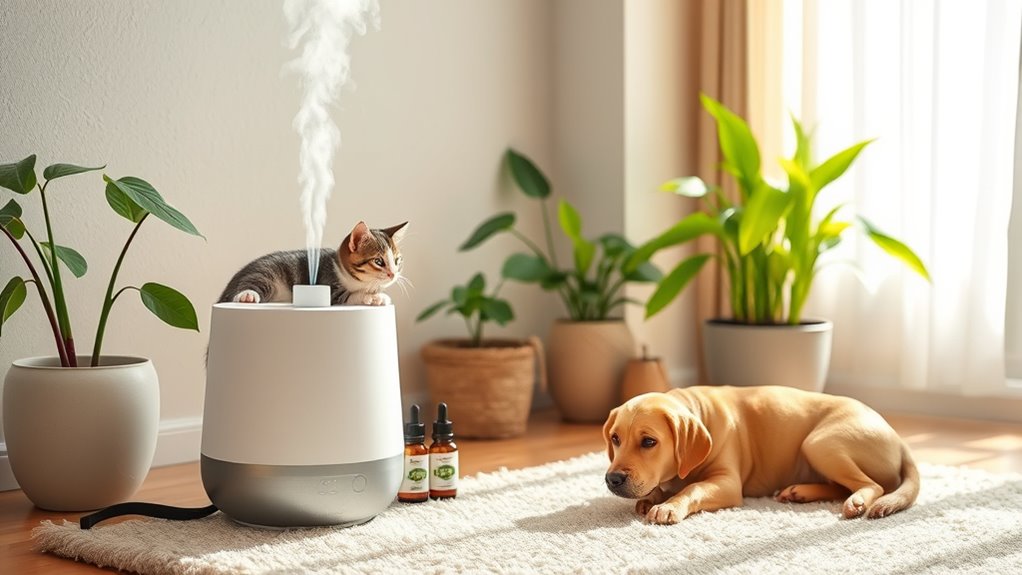

To keep your pets safe around humidifiers, make sure you clean the device weekly, change water daily, and use filtered or distilled water to prevent mold and mineral buildup. Place the humidifier on a stable, elevated surface away from your pets’ reach, and monitor humidity levels with a hygrometer to avoid excess moisture that can lead to mold or dust mites. Proper maintenance and placement are key—continue to explore the essential safety tips for your pets’ health.

Get home appliances delivered free with Prime
- Fast, free delivery on millions of items
- Prime Video, Amazon Music and more included
- Member-only deals all year
Key Takeaways
- Clean humidifiers weekly and change water daily to prevent mold, bacteria, and mineral buildup harmful to pets.
- Use distilled or filtered water to reduce airborne particles that can trigger pet allergies.
- Place humidifiers on stable, elevated surfaces away from pets to prevent accidents and injuries.
- Monitor humidity levels with a hygrometer, maintaining 30-50% to avoid mold growth and respiratory issues.
- Follow manufacturer instructions for proper cleaning and maintenance to ensure safe, efficient operation around pets.
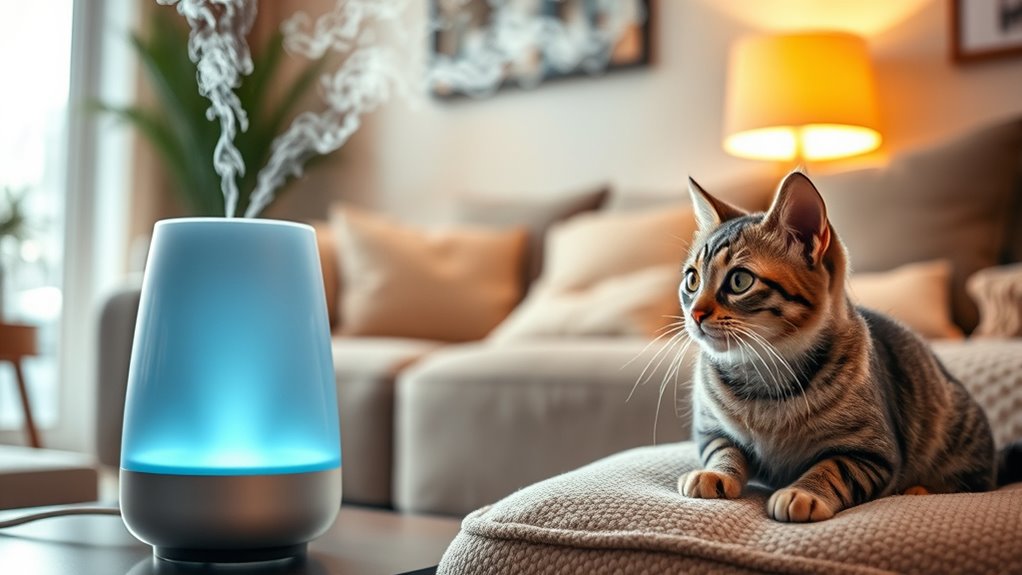
Have you ever wondered if your humidifier is safe for your pets? Many pet owners overlook the importance of proper humidifier maintenance, which is essential not only for the device’s efficiency but also for your pet’s health. When you neglect regular cleaning, mold, bacteria, and mineral deposits can build up inside the tank and on the surfaces, dispersing harmful particles into the air. These contaminants can aggravate pet allergies or even cause respiratory issues. To guarantee your humidifier remains safe, you should clean it thoroughly and frequently, following the manufacturer’s instructions. Using distilled or demineralized water can also help minimize mineral buildup, reducing the risk of airborne particles that might trigger allergy symptoms in your furry friends. Regularly checking the air quality in your home can help you detect and address potential issues early.
Pet allergy prevention is a key reason to keep your humidifier in good shape. Pets, especially those prone to allergies or asthma, can be sensitive to airborne irritants like mold spores or dust mites that settle in a poorly maintained device. When you regularly change the water and clean your humidifier, you minimize the chance of mold growth and bacterial proliferation, creating a healthier environment for your pets. Ensuring proper humidity levels—ideally between 30% and 50%—also helps prevent excessive dryness that can irritate pet respiratory systems. Too much humidity, however, can promote mold and dust mites, so balancing humidity is essential.
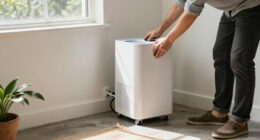
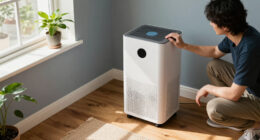
Another critical aspect of humidifier safety involves placement. Keep the device on a stable, elevated surface away from your pets’ reach to prevent accidental tipping or ingestion of water. This reduces the risk of burns or choking if your pet tries to play with or chew the unit. Additionally, always monitor the humidity levels with a hygrometer to avoid over-humidifying a room, which can lead to mold growth and worsen allergy symptoms. Using a humidifier with an automatic shut-off feature can help maintain safe humidity levels without constant supervision.
Incorporating routine humidifier maintenance into your pet care regimen might seem like a small task, but it greatly impacts your pet’s health. Clean your humidifier at least once a week, and more often if you notice any mold or residue. Change the water daily to prevent bacterial growth, and use filtered or distilled water whenever possible. These habits not only improve air quality but also serve as a proactive step in pet allergy prevention. When you take these precautions, you create a safer, more comfortable environment for your pets, allowing them to breathe easier and stay healthier in your home.
As an affiliate, we earn on qualifying purchases.
Frequently Asked Questions
Can Humidifiers Cause Allergies in Pets?
Yes, humidifiers can cause allergies in pets if they release allergy triggers like mold, bacteria, or dust mites into the air. If your pet has sensitivities, these particles can worsen allergy symptoms or cause respiratory issues. To prevent this, clean your humidifier regularly, use distilled water, and keep the humidity level balanced. Monitoring your pet’s reactions helps identify if the humidifier is affecting their health.
How Often Should I Clean My Pet’s Humidifier?
You should clean your pet’s humidifier every 3 to 4 days to prevent mold and bacteria buildup. Regular humidifier maintenance is essential for pet safety, as dirty units can circulate harmful germs. Use pet-safe cleaning solutions, like diluted vinegar or mild soap, to guarantee proper hygiene. Keeping up with this routine helps maintain a healthy environment for your pet and reduces allergy risks caused by contaminated water.
Are There Specific Humidifier Types Safer for Pets?
You should look for humidifiers made from pet-safe materials like BPA-free plastic or ceramic, which reduce risks of harmful chemical exposure. Pet-friendly features, such as enclosed tanks or adjustable mist settings, help prevent spills and over-humidification. Avoid models with porous materials that can harbor bacteria or mold. By choosing a humidifier with these qualities, you guarantee a safer, healthier environment for your pets.
Can Humidifiers Spread Bacteria or Mold to Pets?
Yes, humidifiers can spread bacteria or mold spores to your pets if not maintained properly. Bacterial growth can occur in stagnant water, and mold spores may develop if the device stays damp or is dirty. To prevent this, clean your humidifier regularly, change the water daily, and use distilled water. Proper maintenance minimizes the risk of bacteria and mold spores, keeping your pets safe and healthy.
What Signs Indicate My Pet Is Affected by Humidifier Use?
You’ll know your pet is affected by humidifier use if you notice pet respiratory symptoms like coughing, sneezing, or wheezing, along with behavioral changes such as lethargy or decreased appetite. It’s a clear sign that something’s off, and you shouldn’t overlook. Keep an eye on these signs, and if they appear, consult your vet promptly to ensure your furry friend’s health stays in top shape.
humidifier with automatic shut-off
As an affiliate, we earn on qualifying purchases.
As an affiliate, we earn on qualifying purchases.
Conclusion
Now that you know the ins and outs of humidifier safety for your pets, you can breathe easy knowing you’re doing right by them. Just remember, a little caution goes a long way—it’s better to be safe than sorry. Keep the humidifier clean, place it where pets can’t knock it over, and stay vigilant. By doing so, you’ll keep your furry friends healthy and happy, proving that safety truly is the name of the game.
As an affiliate, we earn on qualifying purchases.
As an affiliate, we earn on qualifying purchases.
Fall Picks
fall essentials
As an affiliate, we earn on qualifying purchases.