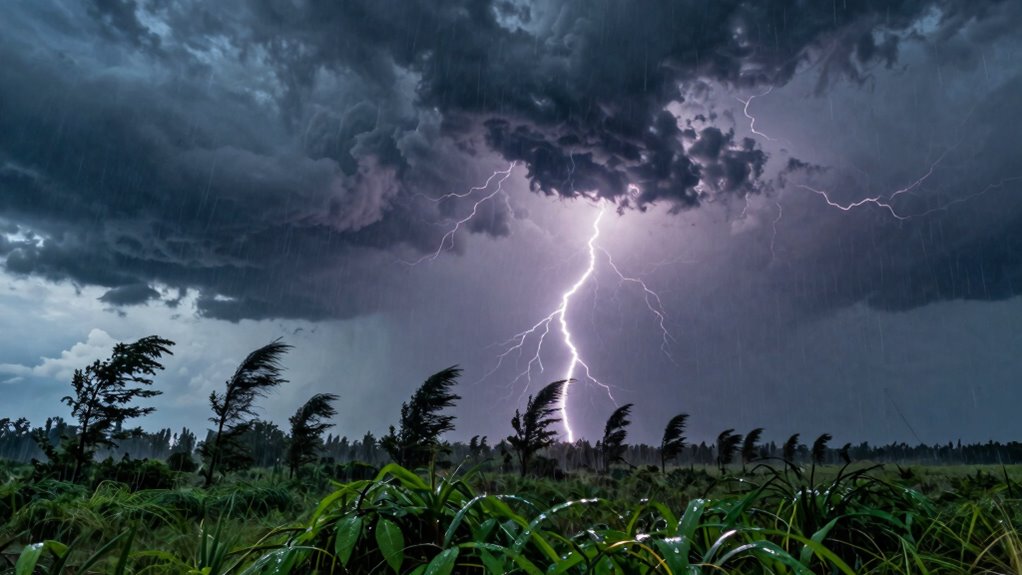

During storm weeks, you need to adjust your humidity strategy to prevent water intrusion and mold growth. Keep indoor humidity between 30-50%, and use dehumidifiers and exhaust fans to control moisture levels. Seal gaps around windows and doors tightly, and make sure gutters are clear to direct water away from your home. Ventilate spaces during or after storms to reduce condensation. Staying proactive now can protect your home from serious damage—discover more tips to stay dry and secure.

Get home appliances delivered free with Prime
- Fast, free delivery on millions of items
- Prime Video, Amazon Music and more included
- Member-only deals all year
Key Takeaways
- Increase ventilation and use exhaust fans to reduce indoor humidity during storms.
- Regularly inspect and seal leaks around windows and doors to prevent water intrusion.
- Clear gutters and downspouts to divert rainwater away from the foundation effectively.
- Use dehumidifiers more actively to control elevated humidity levels caused by storm moisture.
- Monitor indoor humidity with a hygrometer, aiming for 30-50%, and adjust strategies accordingly.
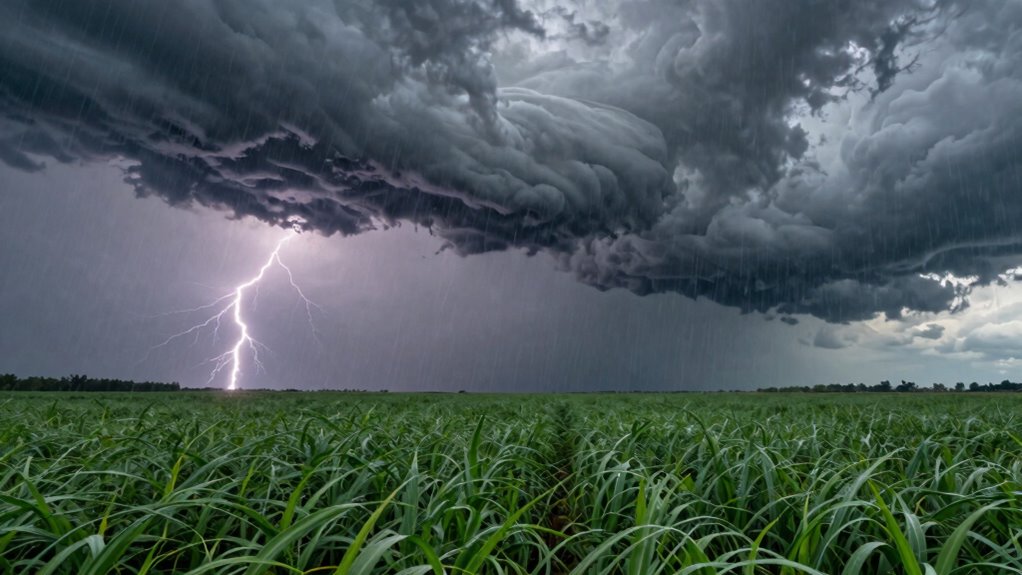
Storm weeks often bring a surge of moisture into your home through leaks, poor seals, or ventilation problems. To combat this, you need to be vigilant about humidity control. Use dehumidifiers to reduce excess moisture, especially in basements and areas prone to dampness. Keep windows and doors tightly sealed to prevent rainwater from seeping in, which can rapidly elevate indoor humidity. If you notice condensation on windows or walls, take immediate steps to ventilate the space or use a dehumidifier to stabilize the environment. Proper moisture management during storm weeks isn’t just about comfort; it’s about preventing structural damage and health hazards caused by mold and mildew. Additionally, understanding indoor air quality and how it interacts with humidity can help you make more informed decisions about ventilation and filtration. Monitoring your indoor humidity levels with a hygrometer is crucial, as fluctuations can occur quickly during storms. Aim to keep humidity between 30-50%, but be prepared to lower it if you see rising levels during storms. Ventilate your home when possible, especially after heavy rain or if you notice increased dampness. Using exhaust fans, especially in kitchens and bathrooms, helps remove excess moisture and improves overall moisture management. If your home has any vulnerabilities, such as cracks or gaps around windows and doors, seal them promptly to prevent water intrusion and humidity spikes. Additionally, reinforcing home sealing can significantly reduce the chance of water seeping in during storms. Storm weeks demand a proactive approach to humidity control. You can’t rely solely on normal ventilation routines; instead, you need to be more aggressive with moisture management. Regularly check for signs of leaks or water intrusion, and address them immediately. Keep your gutters clear to divert rainwater away from your foundation, reducing the risk of dampness seeping inside. During these times, air circulation becomes critical—use fans and open windows if weather permits, but always prioritize preventing moisture from entering or lingering inside. Staying on top of humidity control during storm weeks helps safeguard your home’s structure and your well-being, making sure you emerge from the storm with fewer problems and less stress. Properly managing moisture intrusion and condensation is essential to maintain a healthy indoor environment during these challenging weather conditions.
Products Worth Considering

Philips Hue Play Floor Lamp, RGBWWIC LED, 53 Inch, Black

Sonos One (Gen 2) Voice-Controlled Smart Speaker, White

Sonos Era 100 Wireless Smart Speaker with Alexa, Black
As an affiliate, we earn on qualifying purchases.
Frequently Asked Questions
How Does Humidity Impact Storm Formation?
Humidity effects play a vital role in storm formation because moist air fuels storm development. When humidity is high, storm modeling shows that warm, moist air rises easily, creating the perfect conditions for thunderstorms and hurricanes. Conversely, low humidity can inhibit storm growth. You need to adjust your humidity strategy during storm weeks to account for these humidity effects, ensuring accurate storm modeling and better preparedness for severe weather events.
What Are the Best Humidity Levels During Storm Weeks?
During storm weeks, aim for humidity levels around 60-70% for ideal storm preparedness, contrary to common humidity myths that lower levels prevent storms. Higher humidity fuels storm development, so maintaining proper moisture helps you anticipate and prepare for severe weather. Don’t fall for myths that dry air keeps storms away; understanding humidity’s role enhances your readiness, ensuring you stay safe and informed during these intense weather periods.
Can Humidity Control Prevent Storm Damage?
Humidity control acts like a shield against storm damage, guiding your home’s defenses through weather forecasting and climate adaptation. By adjusting humidity levels, you can fortify your space, reducing mold and structural risks. Think of it as tuning a musical instrument to the perfect pitch—small changes make a big difference. While it isn’t a guarantee, managing humidity helps you better prepare for storm weeks, turning chaos into calm.
How Quickly Should Humidity Levels Be Adjusted Before Storms?
You should adjust humidity levels based on weather forecasting and data from humidity sensors, ideally several hours before a storm arrives. Monitoring real-time humidity allows you to respond quickly, preventing damage. Keep a close eye on forecasts to determine when to modify humidity. Acting proactively guarantees your environment stays stable, reducing risks associated with storm conditions, especially during storm weeks when humidity strategies need to be more dynamic.
Are There Specific Tools for Monitoring Humidity During Storms?
You’ll want to use humidity sensors during storms, especially since weather forecasting has become more precise. These tools give real-time data, helping you monitor moisture levels accurately. Often, they’re paired with weather forecasting systems, making it easier to adjust your humidity strategy on the fly. When storms roll in, having reliable humidity sensors guarantees you stay ahead, adapting quickly and maintaining ideal conditions despite the unpredictable weather.
Conclusion
During storm weeks, you need a humidity strategy that differs from normal weather. By adjusting your approach, you can better protect your home and belongings from potential damage. Remember, humidity levels can spike up to 90% during storms, creating a humid environment that fuels mold growth and structural issues. Staying proactive with humidity control isn’t just smart—it’s essential. So, when storm clouds gather, your strategy should be ready to keep your space safe and dry.