
Using a basement moisture notebook helps you replace guesswork with clear pattern tracking. You can log signs like condensation, water spots, and smells to see when and where moisture issues happen. It guides you to evaluate what actions work best, such as sealing cracks or increasing ventilation. As you record seasonal changes and prevention efforts, you’ll spot trends and uncover root causes. Keep exploring, and you’ll discover how to turn this process into a long-term solution.

Get home appliances delivered free with Prime
- Fast, free delivery on millions of items
- Prime Video, Amazon Music and more included
- Member-only deals all year
Key Takeaways
- It systematically records moisture events to identify recurring patterns and triggers.
- The notebook tracks the effectiveness of various moisture prevention strategies over time.
- It converts random moisture issues into data, revealing underlying causes and seasonal trends.
- The tool helps prioritize maintenance actions based on documented moisture fluctuations.
- It enables proactive adjustments by providing real-time feedback on moisture control efforts.
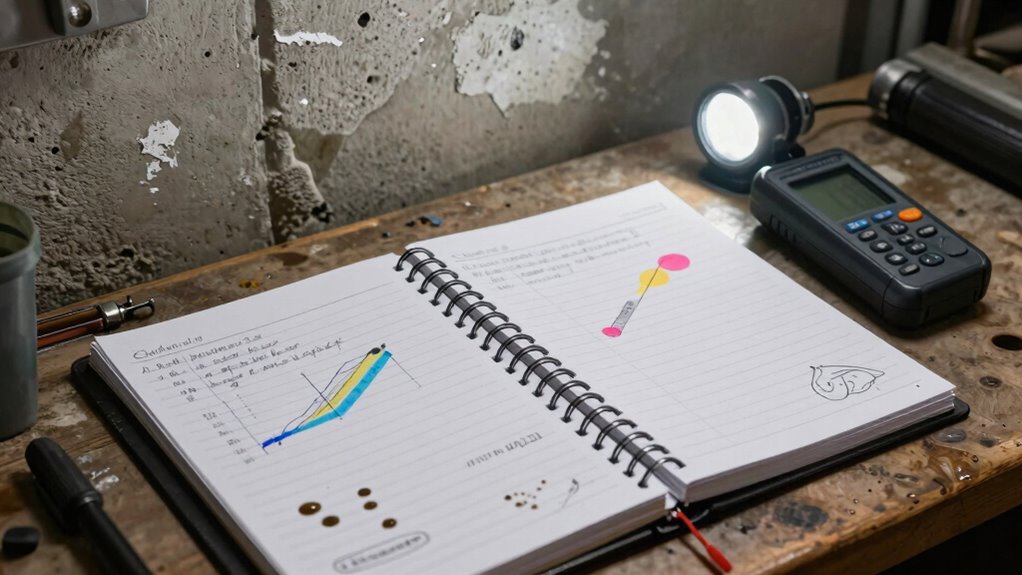
Dealing with basement moisture can be a constant battle, but keeping a dedicated basement moisture notebook makes it easier to identify patterns and track solutions. When you document each occurrence of excess dampness, you gain insight into what triggers the problem and which methods of moisture prevention work best. You might notice that moisture levels spike after heavy rains or during certain times of the year. Without a notebook, these might seem like random events, but with consistent tracking, they become clear patterns you can address. Recording the presence of condensation, musty smells, or visible water spots helps you identify problem areas and monitor whether your efforts to improve basement ventilation are paying off.
A moisture prevention strategy hinges on understanding the root causes of dampness. Your notebook becomes an essential tool to note when the basement feels humid or when mold starts to appear. It also helps you evaluate the effectiveness of your efforts, such as sealing cracks, installing dehumidifiers, or improving basement ventilation. If you notice that adding ventilation reduces humidity levels, you’ll know to prioritize increasing airflow in those specific spots. On the other hand, if moisture persists despite your efforts, you’ll be prompted to explore other solutions like waterproofing or drainage improvements. Over time, this detailed documentation guides your decisions, saving you money and frustration. Regularly monitoring moisture levels can also help you detect subtle changes that might otherwise go unnoticed until they become major issues. Additionally, consistent documentation supports proactive maintenance by revealing early signs of potential problems.
Tracking your basement’s moisture levels also encourages regular maintenance. For example, you might find that cleaning gutters and extending downspouts reduces water seepage. Or, perhaps, opening windows during dry days significantly drops humidity. When you record these actions and their results, it becomes easier to develop a routine that keeps moisture at bay. You’ll learn which ventilation strategies make the biggest difference—whether it’s running the exhaust fan more frequently or installing additional vents. This real-time feedback enables you to fine-tune your approach, making moisture prevention more effective and less guesswork-based. Additionally, understanding moisture patterns can help you anticipate and prevent future issues before they worsen. Recognizing the seasonal fluctuations in moisture levels can help you prepare your basement for high-risk periods. Being aware of effective moisture control measures allows you to implement the most suitable solutions based on your documented data.
Ultimately, your basement moisture notebook turns what once felt like an ongoing mystery into a manageable process. It turns guesswork into tangible data, helping you understand the causes and best solutions for dampness. With consistent tracking, you can create a clear plan to keep your basement dry, focusing on improving basement ventilation and other moisture prevention tactics. This organized approach means fewer surprises, better airflow, and a healthier, more stable environment down below. Instead of reacting to moisture problems after they worsen, you’ll proactively prevent them by following the patterns your notebook reveals. Keeping detailed records also enables you to evaluate the long-term effectiveness of your moisture control measures, ensuring your strategies evolve with your basement’s needs.
Products Worth Considering

Philips Hue Bridge Pro Starter Kit with 4 A19 E26 Color Smart Bulbs

eufy Baby Monitor E21 with 4K UHD Camera and 5-Inch 720p Screen

Samsung 65-Inch M70H Series 4K Mini LED Smart TV (2026)
As an affiliate, we earn on qualifying purchases.
Frequently Asked Questions
How Long Does It Take to See Measurable Results?
You’ll start seeing measurable results within a few weeks. By tracking humidity patterns and identifying moisture sources in your basement, you can take targeted actions to reduce dampness. Consistently recording these patterns helps you notice improvements over time. Keep monitoring regularly, and you’ll see your efforts pay off as moisture levels decrease, preventing further issues and creating a healthier, drier basement environment.
Can This Notebook Be Used for Other Types of Moisture Issues?
Yes, you can use this notebook for other moisture issues beyond basements. It helps you track humidity levels and monitor ventilation strategies effectively. By recording humidity fluctuations and ventilation changes, you identify patterns and discover what works best for controlling indoor moisture. This approach allows you to implement targeted humidity control measures and optimize your ventilation strategies, ultimately reducing dampness, mold, and other moisture-related problems throughout your home.
Is the Notebook Suitable for Professional or DIY Use?
Yes, the notebook is suitable for both professional insights and DIY tips. You can use it to track moisture patterns accurately, whether you’re a contractor or a homeowner. Its organized layout helps you document issues systematically, making it easier to identify causes and solutions. The notebook encourages a proactive approach, empowering you to make informed decisions and monitor progress effectively, regardless of your experience level.
What Materials Are Best for Moisture Tracking Charts?
You should use durable chart materials like waterproof paper or plastic for moisture tracking charts. Pair these with moisture sensors to get accurate readings. Waterproof paper resists damage from humidity, while plastic charts are reusable and easy to clean. Using high-quality chart materials guarantees your moisture data stays clear and reliable over time. Incorporating moisture sensors helps you monitor changes precisely, making your tracking more effective and preventing future basement issues.
How Often Should I Update the Moisture Readings?
You should update your moisture readings at least once a week to accurately track humidity levels and identify moisture sources. Regular updates help you spot patterns and changes in the basement environment. If you notice consistent high humidity or sudden spikes, consider more frequent checks, like every few days. Staying consistent guarantees you catch issues early, allowing you to take effective action before moisture damage worsens.
Conclusion
By keeping detailed records in your basement moisture notebook, you’re turning guesswork into clear patterns. This simple tool empowers you to spot trouble before it worsens, saving you time and money. Remember, a stitch in time saves nine—address issues early, and you’ll prevent bigger headaches down the road. Staying vigilant and organized means you’re always a step ahead, ensuring your basement stays dry and your home stays healthy.